


Women and Community Development in Cameroon: Rights, Education and Youth Development
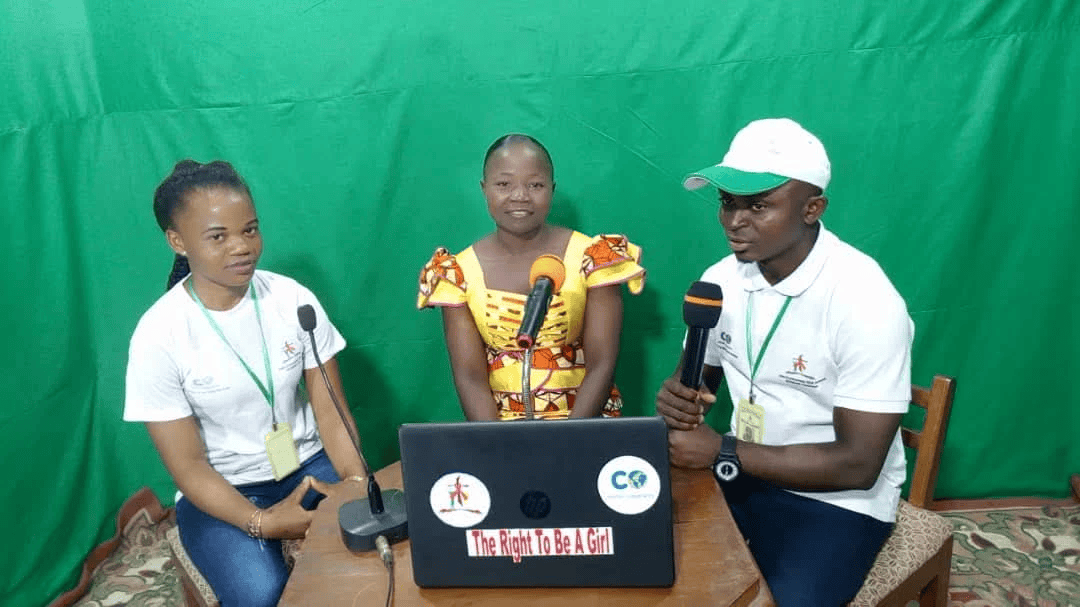
Every strong community rests on the shoulders of its people, and in Cameroon, women and young people carry much of that weight. They farm the land, run small businesses, care for families and bring fresh energy and ideas. Yet too often their voices go unheard and their potential goes untapped. When communities invest in women’s leadership, rights education and youth development, the results reach every household. This post explores how these three areas connect and why they matter.
Women and Community Development in Cameroon
Women are central to daily life in communities across Cameroon. They produce food, trade in local markets, look after children and elders, and keep household economies running. Their work is the quiet engine behind many villages and towns.
The link between women and community development in Cameroon is clear: when women take part in planning and decision-making, communities make wiser choices about health, schooling, food and local resources. Women know the practical needs of their neighbors, and their involvement brings realistic, grounded solutions.
Supporting women creates a ripple effect:
-
Stronger families: Women who earn income tend to invest in their children’s education and nutrition.
-
Healthier communities: Women who have access to reliable health information can protect themselves and those around them.
-
Greater cooperation: Women’s groups and associations bring neighbors together around shared goals.
-
Inspiring role models: Women in leadership show girls what is possible.
Local organizations are often best placed to make this support real. INTERNAP Cameroon, a non-profit established in 2004, works in communities across the South West, North West and West Regions. Its work promotes gender equality and supports women, girls and children through education, health awareness and community development.
The Power of Women and Girls Human Rights Education
Knowing your rights is the first step toward living by them. Women and girls human rights education teaches that every person is entitled to dignity, safety, schooling, health care and a voice in the decisions that shape their life.
In some communities, girls grow up believing that certain limits are simply the way things are. They may think a brother’s education matters more than theirs, that early marriage cannot be avoided or that mistreatment at home is a private matter. Rights education challenges these beliefs gently and respectfully. It helps women and girls to:
-
Recognize discrimination and harmful practices for what they are.
-
Understand that education, health and safety are rights, not favors.
-
Learn where to turn for help, whether to community leaders, health workers or local organizations.
-
Speak up with confidence for themselves and for others.
This learning is not only for women and girls. Men and boys, parents, teachers and traditional leaders all have a part to play. When a whole community understands and respects the rights of its women and girls, change lasts. Rights education also strengthens everything else: a girl who knows her rights is more likely to stay in school, seek good information and pursue opportunities to earn a living.
Youth Development: Investing in the Next Generation
Young people are not only the future. They are an important part of the present. Youth development means giving adolescents and young adults the education, skills, guidance and opportunities they need to grow into confident, capable adults.
Effective youth development includes:
-
Education and learning: helping young people stay in school and gain practical skills.
-
Life skills: building communication, decision-making, teamwork and confidence.
-
Health awareness: sharing reliable information about nutrition, disease prevention and wellbeing.
-
Livelihood training: introducing skills that can lead to income, such as farming, tailoring, food processing and small trade.
-
Leadership opportunities: encouraging young people to take part in community projects and decisions.
When young people have constructive paths to follow, communities benefit. Idle time and a lack of opportunity can lead to frustration, while meaningful engagement builds purpose and pride. For girls especially, staying in school and gaining skills reduces the pressure toward early marriage and opens the door to independence.
How These Three Areas Work Together
Women’s participation, rights education and youth development reinforce one another:
-
Women’s leadership inspires young people. Girls and boys who see women as leaders grow up expecting equality.
-
Rights education builds confidence. Young people who know their rights are better prepared to protect themselves and contribute to their communities.
-
Youth skills strengthen the economy. Trained young people bring new ideas, energy and income to local life.
Together, they create a cycle of progress. Educated, empowered women raise informed children, informed young people become capable adults, and capable adults build stronger communities.
How You Can Support This Work
Everyone can contribute to community development:
-
Volunteer your skills. Teachers, trainers, health workers and administrators can all support community projects.
-
Support girls’ education. Even small contributions toward school fees or supplies can keep a girl in class.
-
Encourage young people. Mentor, listen and offer opportunities to learn and lead.
-
Back local organizations. Donating or sharing their work helps them reach more families.
-
Challenge harmful attitudes. Speak up when the rights or potential of women and girls are dismissed.
Final Thoughts
Real, lasting change grows from the ground up. When women take part in shaping their communities, when girls and women learn that their rights matter, and when young people are given room to grow, entire communities become stronger and more hopeful. Every conversation, contribution and act of support brings Cameroon closer to a future where everyone has the chance to thrive.

 Arabic
 French
 Spanish
 Portuguese
 Deutsch
 Turkish
 Dutch
 Italiano
 Russian
 Romaian
 Portuguese (Brazil)
 Greek
