


Hearing Aid Price and Hearing Aid Cost Guide | rchipak
Introduction
Hearing plays an important role in communication, relationships, and everyday activities. People experiencing hearing difficulties often consider using hearing aids to improve their listening experience. However, understanding the hearing aid price and hearing aid cost is an important part of choosing the right device. Different hearing aids offer different technologies, designs, and features, which can influence their overall value. rchipak helps individuals explore hearing solutions and understand the factors involved in selecting suitable hearing assistance devices.
Choosing a hearing aid is not simply about purchasing an electronic device. It involves understanding individual hearing requirements, lifestyle preferences, comfort, and available technology. Taking time to compare different options can help users make informed decisions.
Factors That Affect Hearing Aid Price
The hearing aid price can vary depending on several important factors. Technology is one of the biggest considerations because modern devices may include advanced sound processing, background noise reduction, and feedback management.
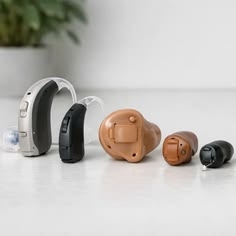
The design of a hearing aid also influences its features and suitability. Behind-the-ear, in-the-ear, and completely-in-canal models offer different levels of visibility, comfort, and functionality. Some devices include rechargeable batteries, while others use replaceable batteries.
Understanding these differences helps individuals identify which features are important for their hearing requirements.
Understanding Hearing Aid Cost and Technology
The overall hearing aid cost depends on the technology incorporated into a particular model. Basic devices may provide essential amplification, while advanced digital hearing aids can offer more sophisticated sound processing and listening adjustments.
Some modern hearing solutions also include Bluetooth connectivity, smartphone applications, directional microphones, and automatic environmental adjustments. These features can make everyday listening more convenient, particularly for people who regularly communicate in different environments.
However, the most technologically advanced device is not necessarily the best choice for everyone. The right option should match the user's hearing needs and daily activities.
Different Types of Hearing Aids
Hearing aids are available in several designs to accommodate different preferences and hearing requirements.
-
Behind-the-Ear (BTE): These devices sit behind the ear and are connected to an earpiece inside the ear canal.
-
Receiver-in-Canal (RIC): These models feature a small receiver positioned inside the ear canal.
-
In-the-Ear (ITE): These hearing aids fit within the outer portion of the ear.
-
Completely-in-Canal (CIC): These compact devices fit deeper inside the ear canal and offer a less visible appearance.
Each design has specific advantages. An audiologist can recommend a suitable option after evaluating the individual's hearing condition.
How to Choose the Right Hearing Aid
Selecting an appropriate hearing aid requires more than comparing product specifications. Individuals should consider their hearing assessment results, comfort preferences, communication habits, and daily surroundings.
People who frequently attend meetings or spend time in noisy environments may benefit from devices with advanced noise management. Others may prioritize rechargeable batteries, wireless connectivity, or discreet designs.
When comparing the hearing aid price and hearing aid cost, it is also important to consider professional fitting, programming, follow-up appointments, and after-sales support. These services can contribute significantly to the overall hearing care experience.
Importance of Professional Hearing Assessment
A professional hearing assessment helps determine the type and degree of hearing loss. This information allows an audiologist to recommend suitable hearing aids based on individual requirements.
Proper fitting and programming are equally important because incorrectly adjusted devices may cause discomfort or provide an unsatisfactory listening experience. Regular follow-up visits can help ensure that hearing aids continue to meet changing listening needs.
rchipak encourages informed decisions by helping customers understand hearing technology and the importance of selecting appropriate hearing solutions.
FAQs
1. What factors influence hearing aid price?
Technology, design, brand, connectivity features, battery type, and professional services can all influence the final price.
2. Why does hearing aid cost vary between models?
Different models offer different sound processing capabilities, comfort features, connectivity options, and levels of technological advancement.
3. Which type of hearing aid is suitable for beginners?
The suitable type depends on hearing assessment results, personal preferences, and lifestyle. An audiologist can recommend an appropriate model.
4. Are rechargeable hearing aids a good option?
Yes. Rechargeable models offer convenience by reducing the need to replace disposable batteries regularly.
5. Do I need a hearing test before buying a hearing aid?
Yes. A professional hearing assessment helps identify hearing difficulties and determine which hearing aid features may be most suitable.
Conclusion
Choosing the right hearing solution requires understanding personal hearing needs, available technology, and long-term comfort. Comparing the hearing aid price and hearing aid cost helps individuals evaluate different options and make informed purchasing decisions. From basic amplification to advanced digital features, the best hearing aid is one that supports everyday communication and fits individual requirements. With guidance from rchipak, individuals can explore suitable hearing solutions and take a more confident step toward better hearing experiences.

 Arabic
 French
 Spanish
 Portuguese
 Deutsch
 Turkish
 Dutch
 Italiano
 Russian
 Romaian
 Portuguese (Brazil)
 Greek
