


Industrial Cable Price List & Supplier | Longage Cables
Introduction
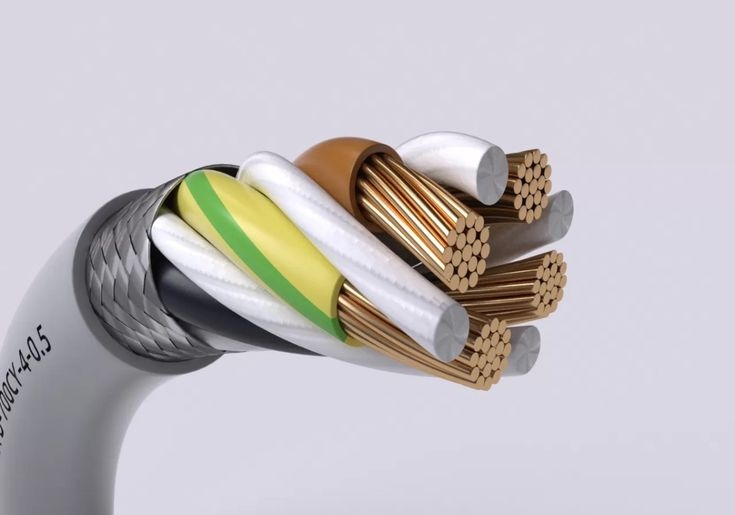
Electrical cables are an essential part of modern industrial infrastructure. They support power distribution, machinery operations, electrical installations, and communication systems across different industries. Before purchasing cables, businesses often research an industrial cable price list to understand available options and plan their procurement requirements. Choosing a dependable industrial cable supplier is equally important because cable quality, specifications, and performance directly influence electrical system reliability. Longage Cables supports industrial and commercial requirements with electrical cable solutions designed for different applications.
Understanding Industrial Cable Requirements
Industrial environments require cables that can handle specific electrical loads and operating conditions. Factors such as voltage rating, conductor material, insulation type, temperature resistance, and installation environment influence cable selection.
Different applications may require power cables, control cables, flexible cables, or specialized industrial wiring solutions. Selecting the correct cable helps maintain efficient power distribution while reducing the risk of electrical failures.
Understanding technical requirements before purchasing also makes it easier to compare available products and identify suitable solutions for individual projects.
Factors Affecting an Industrial Cable Price List
An industrial cable price list can vary depending on several technical and market-related factors. Buyers should consider more than just the initial purchasing cost when comparing cable options.
Important factors include:
-
Conductor material: Copper and aluminium cables have different electrical and physical properties.
-
Cable size: The conductor cross-sectional area affects material requirements and current-carrying capacity.
-
Insulation type: Different insulation materials are designed for specific operating conditions.
-
Voltage rating: Cable specifications vary according to the electrical system.
-
Manufacturing standards: Quality requirements and testing procedures can influence product selection and overall cost.
Comparing these specifications helps businesses make informed purchasing decisions instead of choosing products based only on price.
Importance of Choosing a Reliable Industrial Cable Supplier
Working with an experienced industrial cable supplier can make a significant difference in the quality and consistency of electrical installations. Reliable suppliers help customers identify suitable cable specifications according to their project requirements.
Industrial buyers should evaluate product quality, technical documentation, availability, manufacturing standards, and customer support before making purchasing decisions.
Longage Cables focuses on providing cable solutions for electrical and industrial requirements. Choosing suitable products from a dependable supplier can help businesses maintain consistent electrical performance and improve project planning.
Common Applications of Industrial Cables
Industrial cables are used in a wide range of sectors where dependable electrical connections are essential.
Common applications include:
-
Manufacturing plants and production facilities.
-
Commercial buildings and electrical distribution systems.
-
Industrial machinery and equipment.
-
Power generation and distribution installations.
-
Infrastructure and construction projects.
-
Control panels and automation systems.
Each application has different electrical and environmental requirements, making correct cable selection particularly important.
How to Select the Right Industrial Cable
Selecting the right cable begins with understanding the electrical load and installation environment. Buyers should review voltage requirements, current capacity, conductor material, insulation, operating temperature, and applicable safety standards.
It is also important to consider whether the cable will be installed indoors, outdoors, underground, or in an environment exposed to moisture, chemicals, or mechanical stress.
Consulting qualified electrical professionals and discussing specifications with an experienced supplier can help prevent compatibility issues and support safer installations.
FAQs
1. What is an industrial cable price list?
An industrial cable price list provides pricing information for different cable types, sizes, materials, and technical specifications.
2. How do I find a reliable industrial cable supplier?
Look for a supplier that offers suitable product specifications, consistent quality, technical information, and dependable customer support.
3. Which materials are commonly used in industrial cables?
Copper and aluminium are commonly used as conductor materials, depending on electrical requirements and applications.
4. What factors affect industrial cable selection?
Voltage rating, current capacity, conductor material, insulation, operating temperature, and installation environment are important considerations.
5. Why is cable quality important in industrial installations?
Quality cables help support reliable electrical connections, efficient power distribution, and safer operation of industrial equipment.
Conclusion
Choosing suitable electrical cables is essential for dependable industrial operations and efficient power distribution. Understanding the factors behind an industrial cable price list helps buyers compare products according to their technical and project requirements. At the same time, working with a reliable industrial cable supplier supports better product selection and consistent electrical performance. Longage Cables aims to serve industrial and commercial cable requirements with solutions that support modern electrical infrastructure.

 English
 Arabic
 French
 Spanish
 Portuguese
 Deutsch
 Turkish
 Italiano
 Russian
 Romaian
 Portuguese (Brazil)
 Greek
