


Improving Egg Quality: 10 Evidence-Based Ways to Support Your Fertility
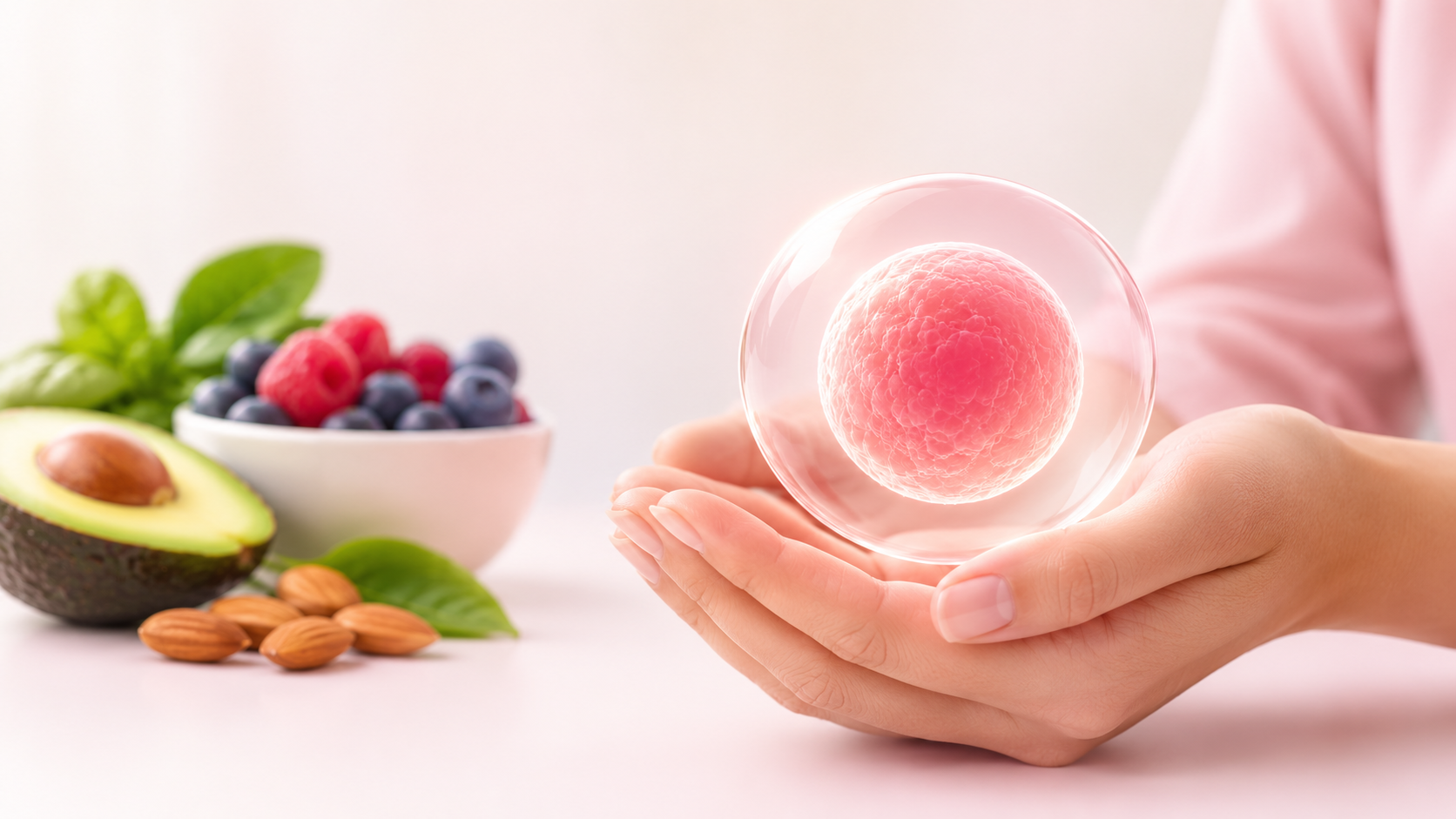
Trying to conceive can bring many questions, especially when you start learning about egg quality and its role in female fertility. Whether you are planning a natural pregnancy, preparing for IVF, or exploring fertility preservation, understanding your reproductive health is an important first step.
One of the most common questions women ask fertility specialists is: Can you improve egg quality naturally?
While age-related changes in egg quality cannot currently be reversed, certain lifestyle habits, nutritional choices, and medical interventions may help support overall reproductive health. Understanding these factors can help you make informed decisions about your fertility journey.
At Almond Blossoms Fertility & Wellbeing Centre in Dubai, we believe that fertility care should be personalised, compassionate, and guided by medical evidence.
Let's explore what egg quality means, what affects it, and how you can support your fertility.
1. Understanding Egg Quality and Why It Matters
Egg quality refers to an egg's ability to be fertilised and develop into a healthy embryo. An important factor is the egg's chromosome status, which influences normal embryo development.
Unlike egg quantity, which refers to the number of eggs remaining in the ovaries, egg quality cannot be measured directly through a single blood test.
As women age, egg quality naturally declines. This process becomes more noticeable during the mid-to-late thirties and continues as reproductive ageing progresses.
Poor egg quality may be associated with:
-
Lower chances of successful fertilisation.
-
Increased risk of chromosomal abnormalities.
-
Reduced embryo development potential.
-
Increased risk of miscarriage.
-
Lower IVF success rates.
Understanding your ovarian health can help your fertility specialist recommend appropriate next steps.
2. Eat a Balanced, Fertility-Supportive Diet
Nutrition is an important part of reproductive health. Although no particular food or diet has been proven to reverse egg ageing or guarantee improved egg quality, a balanced dietary pattern supports general metabolic and reproductive health.
Consider incorporating:
Antioxidant-rich fruits and vegetables: Berries, oranges, spinach, broccoli, and tomatoes provide vitamins and plant compounds that support normal cellular function.
Healthy fats: Olive oil, avocados, walnuts, almonds, and oily fish provide beneficial unsaturated fats and omega-3 fatty acids.
Whole grains: Oats, brown rice, quinoa, and whole-wheat bread provide fibre and support balanced nutrition.
Quality protein: Eggs, fish, lentils, beans, and lean poultry contribute essential nutrients for overall health.
Iron- and folate-rich foods: Leafy greens, beans, lentils, and fortified grains can help support nutritional needs before pregnancy.
A Mediterranean-style eating pattern is one practical approach to building a balanced diet.
3. Maintain a Healthy Body Weight
Body weight and metabolic health can influence reproductive function, particularly when hormonal conditions such as polycystic ovary syndrome (PCOS) are present.
Being significantly underweight or having obesity may affect ovulation and menstrual regularity.
Maintaining a healthy weight through balanced nutrition and regular physical activity can support hormonal and metabolic health.
If you have PCOS, insulin resistance, or irregular periods, consult a fertility specialist for an individualised management plan rather than following restrictive diets.
4. Consider Important Vitamins and Nutrients
Nutritional deficiencies can affect overall health and may need to be addressed before pregnancy.
Some nutrients worth discussing with your healthcare provider include:
-
Folic acid: Recommended before conception to reduce the risk of neural tube defects.
-
Vitamin D: Important for bone health and normal body functions.
-
Omega-3 fatty acids: Support general health and normal cellular function.
-
Vitamin B12: Important for red blood cell formation and neurological health.
-
Iron: Supports healthy haemoglobin levels and oxygen transport.
Some fertility supplements, including Coenzyme Q10 (CoQ10), are being studied for their potential role in ovarian function and egg health. However, evidence that they improve egg quality or increase live birth rates remains insufficient.
Always consult your fertility specialist before starting supplements, particularly when preparing for IVF.
5. Prioritise Quality Sleep
Sleep is essential for physical recovery, metabolic regulation, and hormonal health.
Although there is no conclusive evidence that improving sleep directly increases egg quality, establishing a consistent sleep routine can support overall well-being.
Helpful habits include:
-
Aim for approximately seven to nine hours of sleep each night.
-
Maintain consistent sleeping and waking times.
-
Reduce screen exposure before bedtime.
-
Avoid excessive caffeine late in the day.
-
Create a comfortable and relaxing sleep environment.
Small improvements in sleep habits can contribute to a healthier preconception lifestyle.
6. Exercise Regularly Without Overtraining
Physical activity supports cardiovascular health, metabolic function, and healthy weight management.
For women trying to conceive, moderate activities such as walking, swimming, cycling, and yoga can be beneficial.
Regular exercise may be particularly helpful for women with PCOS or insulin resistance.
However, excessive exercise combined with inadequate nutrition can disrupt menstrual cycles and ovulation.
The goal is consistency rather than intensity. Choose activities that are sustainable and appropriate for your health.
7. Avoid Smoking and Limit Alcohol
Lifestyle exposures can influence reproductive health.
Smoking is associated with reduced fertility and accelerated reproductive ageing. It is therefore important to avoid cigarettes and other tobacco products when planning pregnancy.
Alcohol should ideally be avoided when pregnant or trying to conceive, particularly because early pregnancy may occur before you know you are pregnant.
It is also sensible to avoid recreational drugs and discuss caffeine intake with your healthcare provider.
Making these changes can support your general health and help create a healthier environment for conception.
8. Manage Stress and Protect Your Emotional Well-Being
Fertility challenges can be emotionally demanding. The uncertainty surrounding conception, IVF treatment, and fertility assessments can contribute to anxiety and stress.
Although stress reduction has not been proven to reverse egg ageing, emotional well-being deserves attention throughout your fertility journey.
Consider:
-
Practising mindfulness or meditation.
-
Incorporating gentle yoga into your routine.
-
Spending time outdoors.
-
Maintaining supportive relationships.
-
Seeking professional psychological support when needed.
At Almond Blossoms, we recognise that fertility care involves more than physical treatment. Emotional and psychological support can be an important part of the experience.
9. Understand Your Ovarian Reserve and Hormonal Health
If you are concerned about egg quality, a fertility assessment can help provide a clearer understanding of your reproductive health.
Your fertility specialist may recommend:
AMH (Anti-Müllerian Hormone): Helps estimate ovarian reserve.
FSH (Follicle-Stimulating Hormone): Can provide information about ovarian function, particularly when assessed at the appropriate point in the menstrual cycle.
Antral Follicle Count: An ultrasound assessment that estimates the number of small follicles in the ovaries.
Estradiol Testing: May be used alongside other hormonal investigations to assess ovarian function.
It is important to understand that these tests estimate ovarian reserve and response to fertility treatment. They do not directly measure the genetic quality of individual eggs or reliably predict natural conception.
A comprehensive assessment helps your specialist interpret the results in the context of your age, medical history, and fertility goals.
10. Explore Fertility Treatment Options When Needed
Lifestyle changes are not a substitute for medical fertility care. If you have diminished ovarian reserve, irregular ovulation, repeated pregnancy loss, or previous IVF difficulties, professional evaluation may be appropriate.
Depending on your individual circumstances, your fertility specialist may discuss:
Hormonal Evaluation: Identifying conditions that may affect ovulation and reproductive function.
Ovulation Induction: Medication-assisted treatment to support ovulation when clinically indicated.
IVF (In Vitro Fertilisation): A treatment in which eggs are collected and fertilised with sperm in a laboratory.
Preimplantation Genetic Testing: In selected IVF cases, testing embryos for specific chromosomal or genetic conditions.
Egg Freezing: An option for women who wish to preserve eggs for potential future use, with success influenced by age at freezing and other factors.
There is no single treatment that guarantees improved egg quality. The most appropriate approach depends on your diagnosis, reproductive goals, and clinical assessment.
When Should You Consult a Fertility Specialist?
Consider seeking professional advice if:
-
You are over 35 and have been trying to conceive for six months without success.
-
You are under 35 and have been trying for 12 months without success.
-
You have irregular or absent menstrual cycles.
-
You have been diagnosed with PCOS or endometriosis.
-
You have experienced recurrent pregnancy loss.
-
You have had repeated unsuccessful IVF cycles.
-
You have concerns about your ovarian reserve or fertility preservation.
Women over 40 or those with known fertility-related conditions may benefit from earlier assessment.
How Almond Blossoms Supports Your Fertility Journey
At Almond Blossoms Fertility & Wellbeing Centre in Dubai, we understand that every woman's fertility journey is different.
Our approach brings together fertility specialists, personalised medical assessment, advanced reproductive treatments, and emotional well-being support.
Whether you are trying to conceive naturally, considering IVF, or exploring your ovarian health, our team can help you understand your options and develop a treatment plan based on your individual needs.
Our fertility services include hormonal evaluation, IVF and ICSI, ovulation induction, egg freezing, and other reproductive treatments.
We believe that informed decisions, compassionate care, and individualised treatment planning are essential parts of fertility care.
Frequently Asked Questions About Improving Egg Quality
1. Can egg quality be improved naturally?
Lifestyle changes such as balanced nutrition, regular exercise, avoiding smoking, and maintaining a healthy weight can support reproductive health. However, there is no proven natural method to reverse age-related egg quality decline.
2. Which foods are best for improving egg quality?
A balanced diet containing fruits, vegetables, whole grains, nuts, legumes, healthy fats, and quality protein supports overall health. No individual food has been proven to improve egg quality directly.
3. Does CoQ10 improve egg quality?
CoQ10 is being investigated for its potential role in mitochondrial function and ovarian health. Some early studies suggest possible benefits, but strong evidence of improved live birth rates is lacking. Discuss its use with your fertility specialist.
4. Does age affect egg quality?
Yes. Egg quality generally declines with age, particularly from the mid-thirties onwards. This is associated with an increasing likelihood of chromosomal abnormalities in eggs and embryos.
5. Can poor egg quality cause IVF failure?
Egg quality can influence fertilisation and embryo development, which may affect IVF outcomes. However, IVF failure can have several contributing factors, including sperm quality, embryo development, uterine factors, and other medical conditions.
6. How long does it take to support reproductive health through lifestyle changes?
Lifestyle improvements can support general health over time, but there is no established timeframe in which egg quality is guaranteed to improve. Eggs develop through a complex process, and age-related changes cannot be reversed through diet or supplements.
Take the Next Step Towards Your Fertility Goals
Your fertility journey deserves expert attention, individualised guidance, and compassionate support.
If you are concerned about egg quality or planning to start a family, the right first step is understanding your reproductive health.
Book a consultation with Almond Blossoms Fertility & Wellbeing Centre in Dubai and speak with our fertility specialists about your options.
Your journey deserves care, clarity, and support.

 Arabic
 French
 Spanish
 Portuguese
 Deutsch
 Turkish
 Dutch
 Italiano
 Russian
 Romaian
 Portuguese (Brazil)
 Greek
