


Where to Buy Pure Red Wiggler Composting Worms: A Buyer’s Guide
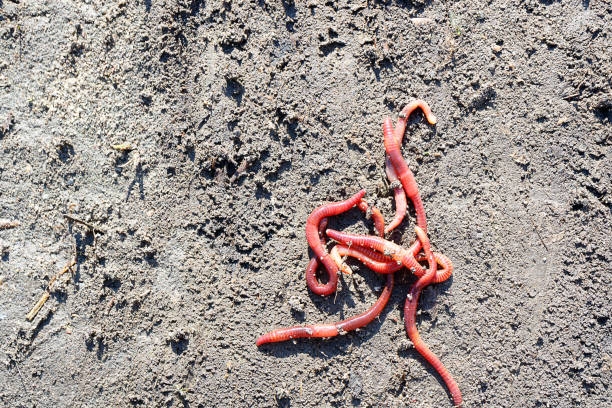
Red wiggler worms are among the most popular choices for people interested in home composting, organic gardening, and food waste recycling. Their ability to break down decomposing organic materials and produce nutrient-rich worm castings makes them valuable for both small household composting bins and larger vermiculture operations.
However, finding the right worms is not always as simple as searching for red worms online. Some sellers offer mixed worm varieties, while others specialize in specific composting species. For anyone starting a new worm bin or expanding an existing composting operation, knowing where to buy pure red wiggler composting worms is an important first step.
A reliable purchase should involve more than comparing prices. Species information, worm health, packaging, shipping practices, and supplier transparency all deserve attention.
Why Choose Pure Red Wiggler Composting Worms?
Red Wigglers, commonly associated with Eisenia fetida and closely related Eisenia andrei, are widely used in vermicomposting.
Unlike earthworms that primarily live deeper in mineral soil, these composting worms naturally thrive in environments rich in decomposing organic matter. This makes them particularly suitable for worm bins and organic waste processing systems.
Some of their main advantages include:
-
Efficient organic waste processing: They consume decomposing fruit and vegetable scraps, coffee grounds, and other suitable organic materials.
-
Worm castings production: Their digestive process converts organic waste into nutrient-rich castings.
-
Rapid reproduction: Under suitable conditions, Red Wigglers can reproduce and gradually increase a composting population.
-
Adaptability: They can thrive in properly maintained indoor and outdoor composting systems.
-
Space efficiency: They are suitable for relatively compact composting setups, making them practical for households and small gardens.
These characteristics explain why Red Wigglers are often recommended to beginners as well as experienced composters.
Where Can You Buy Pure Red Wiggler Composting Worms?
There are several places to look when searching for Red Wigglers. The best option depends on the quantity required, location, and intended composting application.
1. Specialist Worm Farms
Specialist worm farms are often a good starting point because they focus on raising and supplying composting worms.
Compared with general garden retailers, specialist suppliers may provide more detailed information about species, quantities, feeding requirements, and care instructions.
When researching a worm farm, look for:
-
Clear identification of the worm varieties.
-
Information about breeding and handling practices.
-
Different package sizes for beginners and larger projects.
-
Appropriate live-worm packaging.
-
Shipping and live-arrival policies.
-
Customer feedback about product quality and service.
A specialist supplier worth researching is Meme's Worms, which offers composting worms, worm castings, bedding materials, and related vermiculture supplies.
Its Pure Red Wiggler Composting Worms listing provides product-specific information, including intended use, approximate quantities, packaging, and shipping details.
For buyers who prefer to compare different worm varieties before purchasing, the Meme's Worms earthworm collection is another useful place to explore.
2. Online Worm Suppliers
Online suppliers have made it easier to compare different worm varieties without visiting multiple local stores.
They can be particularly useful for people who need specific composting worms or larger quantities for established systems.
Before ordering online, check whether the seller explains:
-
The scientific or commonly accepted species identification.
-
Whether the product contains a single species or a mixed population.
-
Whether worms are sold by weight or estimated count.
-
Shipping methods and estimated delivery times.
-
Packaging and bedding conditions.
-
What happens if worms arrive damaged or deceased.
Do not assume that every listing advertised as red worms contains the same species. Reading the complete product description is essential.
3. Local Garden Centers and Composting Stores
Some garden centers and agricultural supply stores carry composting worms, although availability can vary considerably.
Buying locally offers the advantage of inspecting the worms before purchasing. You may also be able to ask questions about suitable quantities and storage requirements.
However, not every local retailer specializes in pure Red Wigglers. Ask for the species information rather than relying only on the product's common name.
How to Identify Genuine Pure Red Wigglers
One of the biggest concerns when purchasing composting worms is receiving an unidentified mixture instead of the variety advertised.
Although Red Wigglers and other composting worms may look similar, they are not necessarily interchangeable in every application.
Here are some things to consider when evaluating a supplier.
Check the Scientific Name
Red Wigglers are commonly identified as Eisenia fetida. Another closely related composting species is Eisenia andrei.
A supplier should explain which species or worm group is being offered and avoid using vague descriptions such as simply red worms.
It is also worth understanding that closely related species can have overlapping physical characteristics. Visual inspection alone cannot always establish species identity with certainty.
Ask Whether the Worms Are Mixed
Some sellers offer combinations of different composting worms.
These products may be perfectly suitable for general composting, but they are different from products specifically marketed as pure Red Wigglers.
If species consistency matters for your project, ask the supplier whether the worms are maintained as a separate breeding population.
Review Product Transparency
A trustworthy product listing should provide information about the worm variety, approximate quantity, intended use, and care requirements.
For example, Meme's pure Red Wiggler product listing includes information about its breeding-line identification and explains the limitations of guaranteeing species-level identification without laboratory genetic testing.
This type of transparency is worth looking for when comparing specialist worm suppliers.
What Quantity of Red Wigglers Should You Purchase?
The correct quantity depends on the size of your composting system and how much organic waste you expect to process.
Buying too few worms may slow down the initial composting process, while purchasing too many without sufficient bedding and food can create overcrowding.
Here is a general starting point:
|
Composting setup |
Suggested starting quantity |
|
Small household bin |
½ pound |
|
Standard home worm bin |
1 pound |
|
Larger household system |
2 pounds |
|
Commercial composting |
Based on daily waste volume and bin capacity |
These are starting guidelines rather than fixed requirements. The actual amount should account for the surface area of the bin, available food, moisture, and management practices.
For people managing larger composting operations, bulk purchasing may be more practical than ordering several small packages.
A relevant option to investigate is Bulk Pure Red Wiggler Composting Worms, which is intended for larger composting and soil-improvement projects.
Check the current product variants, stock, and shipping conditions before placing a bulk order.
What Should You Check Before Ordering Live Red Wigglers?
Buying live organisms online requires a little more attention than purchasing ordinary gardening supplies.
Consider these factors before completing an order.
1. Worm Health
Look for suppliers that explain how their worms are maintained and prepared for shipping. Healthy worms should be handled and packed with their environmental needs in mind.
2. Packaging
Breathable packaging and suitable bedding help maintain appropriate conditions during transportation. Airtight packaging and excessive moisture can create problems.
3. Shipping Conditions
Temperature can affect live worms during transit. Review weather-related shipping precautions, estimated delivery times, and any seasonal restrictions.
4. Quantity and Weight
Some suppliers sell worms by weight rather than exact count. Approximate worm counts can vary because individual worms differ in size and age.
5. Customer Reviews
Look for detailed reviews discussing delivery, packaging, worm condition, and customer support. Recent feedback can be more useful than relying exclusively on older ratings.
6. Care Instructions
A good supplier should explain what to do when the shipment arrives and how to introduce the worms into their new environment.
How to Prepare a Worm Bin Before Your Order Arrives
Ordering good-quality Red Wigglers is only one part of successful composting. Preparing their new environment beforehand can make the transition easier.
Prepare Suitable Bedding
Use shredded cardboard, coconut coir, or other suitable worm bedding materials. The bedding should be moist and fluffy rather than compressed or waterlogged.
Add Organic Material
A small quantity of suitable decomposing food material can help establish the bin's food supply.
Avoid adding large quantities of fresh food immediately, particularly in a new system.
Maintain Proper Moisture
Red Wigglers need a moist environment because they breathe through their skin.
The bedding should feel like a wrung-out sponge. Excess standing water should be avoided.
Choose a Suitable Location
Keep the worm bin away from direct sunlight and extreme temperatures. A shaded, temperature-stable location is generally more suitable.
Introduce the Worms Carefully
When the package arrives, open it promptly and follow the supplier's instructions.
Allow the worms to adjust to their new bedding and avoid immediately adding excessive food.
Common Mistakes to Avoid When Buying Red Wigglers
Even experienced gardeners can make mistakes when purchasing composting worms.
Some common issues include:
-
Choosing the cheapest listing without checking species information.
-
Confusing Red Wigglers with other red-colored earthworms.
-
Purchasing mixed worm varieties when a specific population is required.
-
Ignoring shipping and temperature precautions.
-
Ordering more worms than the composting system can support.
-
Failing to prepare bedding before delivery.
-
Expecting worms to process large amounts of waste immediately.
Taking time to research the supplier and prepare the bin can help avoid many of these problems.
Frequently Asked Questions
Where is the best place to buy pure Red Wiggler composting worms?
Specialist worm farms are a good place to start because they generally focus on composting species and provide more detailed product information. Compare species identification, packaging, shipping policies, and customer feedback before choosing a supplier.
Are pure Red Wigglers better than mixed composting worms?
It depends on the purpose. Pure or separately maintained Red Wiggler populations are useful when consistency matters. Mixed composting worms may also be suitable for general vermicomposting, depending on the species included.
How many Red Wigglers do I need to start a worm bin?
A half-pound to one-pound starting quantity is commonly suitable for many small household systems. The ideal amount depends on bin size, available bedding, and the amount of food waste produced.
Can Red Wigglers be used for outdoor composting?
Yes. They can be used in outdoor composting systems when the environment provides suitable moisture, food, and temperature conditions. Protection from extreme heat, cold, and heavy rain is important.
How long do Red Wigglers take to produce compost?
The time required depends on the number of worms, food material, temperature, moisture, and bin management. A well-maintained system may begin producing usable castings over several months, although complete processing times vary.
Are Red Wigglers suitable for beginners?
Yes. Their ability to process organic waste and adapt to properly maintained worm bins makes them a popular choice for people starting vermicomposting at home.
Final Thoughts
Finding pure Red Wiggler composting worms requires more than searching for the lowest-priced online listing. Buyers should understand the species being offered, check whether the worms are sold as a separate population, and review the supplier's packaging, shipping, and care information.
Specialist worm farms can make the buying process easier by providing detailed product descriptions and guidance for different composting setups.
Whether you are starting a small household worm bin, improving your garden composting routine, or expanding a larger vermiculture operation, taking time to compare suppliers can help you make a more informed decision.
The goal should not simply be to purchase more worms, but to find suitable composting worms from a supplier that provides clear information and supports their proper care.

 Arabic
 French
 Spanish
 Portuguese
 Deutsch
 Turkish
 Dutch
 Italiano
 Russian
 Romaian
 Portuguese (Brazil)
 Greek
