


How to Protect a Wound While Bathing and Maintaining Personal Hygiene
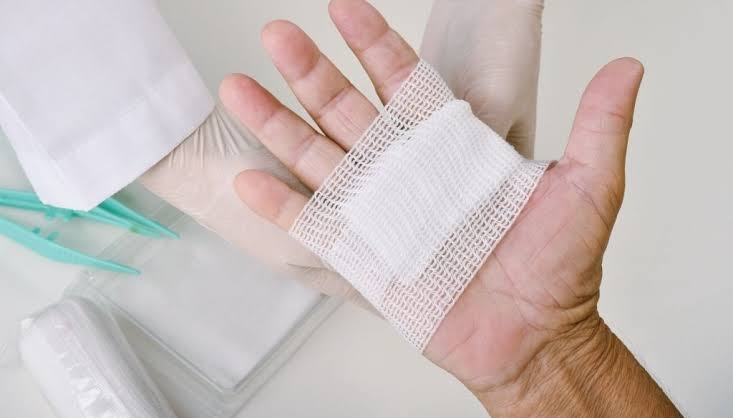
Maintaining personal hygiene is essential for overall health, but bathing can become challenging when a person has a healing wound, surgical incision, or skin injury. Water, soap, friction, and excessive moisture may affect certain dressings and irritate delicate skin if proper precautions are not followed. Wound Dressing at Home in Dubai helps patients receive professional support with wound protection, dressing changes, and recovery monitoring. With guidance from qualified nurses and services such as Doctor at Home, patients can learn how to maintain cleanliness while protecting the affected area from unnecessary irritation and contamination.
Why Wound Protection During Bathing Is Important:
A healing wound needs suitable protection while the surrounding body is cleaned. Depending on the wound type, direct exposure to water, soap, or scrubbing may disturb healing tissue, loosen a dressing, or cause irritation. Some wounds can tolerate gentle showering after a certain stage of recovery, while others must remain dry until a healthcare professional confirms that bathing is safe. Surgical incisions, pressure injuries, burns, and chronic wounds may all have different requirements. Following the correct hygiene instructions helps patients maintain cleanliness without interfering with the treatment plan or increasing the risk of complications.
Follow Medical Advice Before Getting the Wound Wet:
Before bathing, patients should understand whether their wound and dressing can safely come into contact with water. Instructions may vary depending on the procedure, wound depth, dressing material, and stage of healing. Some waterproof dressings are designed to protect wounds during short showers, while ordinary gauze or absorbent coverings may become wet and lose their protective function. Patients should never assume that a dressing is waterproof simply because it looks secure. If a doctor or nurse has instructed them to keep the wound dry, they should follow that advice until they receive updated instructions. When uncertain, contacting the healthcare provider before bathing is the safest approach.
Using Waterproof Dressings and Protective Covers:
A suitable waterproof dressing or protective cover can help keep certain wounds dry during bathing, provided the treating professional has approved its use. These products create a barrier against water and may be particularly helpful for patients who need to shower while recovering from surgery or an injury. However, not every wound can be safely covered with the same product, and some dressings should not be exposed to water at all. Patients should ensure that the protective covering fits properly without putting pressure on the wound or restricting circulation. Important precautions include:
-
Use a waterproof dressing only when recommended by a healthcare professional.
-
Check that the edges are properly sealed before showering.
-
Avoid directing strong water pressure toward the wound.
-
Keep bathing sessions brief when advised.
-
Remove temporary protective covers carefully after bathing.
-
Check the dressing for leakage, looseness, or moisture.
If water enters beneath the dressing, patients should follow their wound care instructions and contact a healthcare professional if they are unsure whether it needs replacing.
Choosing Between Showering and Bathing:
For many patients with healing wounds, a gentle shower may be more suitable than soaking in a bathtub, but the correct option depends on the wound and medical advice. Prolonged soaking can soften the surrounding skin, loosen some dressings, and expose the wound to water that may not be clean enough for open tissue. Patients should avoid swimming pools, hot tubs, and natural bodies of water until their healthcare provider confirms that these activities are safe. When showering is permitted, use gentle water flow and avoid directing the spray directly onto the injured area. Patients with mobility difficulties should also use appropriate bathroom safety equipment to reduce the risk of slipping or accidentally striking the wound.
Cleaning the Skin Around the Wound Safely:
Keeping the surrounding skin clean helps maintain hygiene without disturbing the healing area. Patients should use mild soap and clean water on unaffected skin, avoiding harsh products, scrubbing, or fragranced cleansers near sensitive tissue. The wound itself should only be cleaned according to the instructions provided by the treating professional. Soap, shampoo, and body wash should not be allowed to collect beneath a dressing or enter an open wound unless specifically advised. After washing, gently pat the surrounding skin dry with a clean towel rather than rubbing it. This approach helps reduce friction and protects fragile skin from unnecessary irritation.
Drying and Replacing a Wet Dressing:
A dressing that becomes wet may no longer provide the protection or absorption it was designed to offer. Moisture trapped beneath a dressing can irritate surrounding skin and may create conditions that complicate wound management. If a dressing becomes soaked, contaminated, or loose, patients should follow their care plan and seek professional guidance about replacement. They should not simply place another layer over a wet dressing. When a change is required, hands should be washed, clean supplies prepared, and the dressing removed gently. The wound should then be managed according to the prescribed instructions. Patients should never use a hairdryer, direct heat, or vigorous rubbing to dry an open wound.
Maintaining Personal Hygiene Without Disturbing the Wound:
Patients can maintain most daily hygiene routines by making small adjustments to protect the affected area. Activities such as washing hair, cleaning the face, brushing teeth, and changing clothes can usually continue, although the wound's location may require additional care. Avoid tight clothing that rubs against the dressing, and choose comfortable garments that are easy to remove without pulling on the affected area. If the wound is on the arm, leg, or torso, consider how movements during bathing and dressing may stretch or press against it. Helpful habits include:
-
Wash hands before touching the dressing or nearby skin.
-
Use clean towels and avoid sharing personal hygiene items.
-
Wear loose clothing that does not rub against the wound.
-
Keep bathroom surfaces clean and dry.
-
Avoid scratching or picking at healing skin.
-
Follow the recommended dressing-change schedule.
-
Ask for assistance if movement makes bathing difficult.
These simple precautions can help patients maintain independence while protecting the healing area.
Special Hygiene Considerations for Older Adults and Patients With Limited Mobility:
Older adults and people recovering from surgery may need additional support when bathing with a wound. Limited movement can make it difficult to reach certain body areas, remove clothing, or protect a dressing from water. Fragile skin may also be more vulnerable to friction and adhesive-related damage. Caregivers can help by preparing bathing supplies, arranging non-slip mats, using shower chairs when appropriate, and assisting with clothing changes. They should avoid pulling on dressings or attempting wound procedures unless trained and authorised to do so. Professional nurses can provide guidance on safe hygiene routines that consider the patient's mobility, comfort, and wound location.
Warning Signs to Watch for After Bathing:
After bathing, patients should check the dressing and surrounding skin for changes that may indicate a problem. A loose dressing, unexpected leakage, or increased discomfort should not be ignored. Signs of possible infection include spreading redness, warmth, swelling, worsening pain, thick or pus-like discharge, and an unpleasant smell. Fever or chills may indicate that the infection is affecting the body and require prompt medical assessment. Patients should also seek advice if the wound becomes larger, begins bleeding unexpectedly, or appears to be healing more slowly. Severe symptoms, rapidly spreading redness, or significant bleeding require urgent medical attention.
How Professional Home Wound Care Supports Safe Hygiene:
Professional wound care can help patients understand how to balance personal hygiene with the need to protect healing tissue. During a home visit, a qualified nurse can assess the wound, review dressing condition, explain bathing precautions, and recommend suitable protective products when appropriate. Patients and caregivers can also receive instructions about keeping the surrounding skin clean and recognising changes that require medical review. Wound Dressing at Home in Dubai provides a convenient option for suitable patients who need ongoing support without frequent travel to a healthcare facility. The care plan should always be based on the wound's condition and the treating clinician's recommendations.
Final Thoughts
Protecting a wound while bathing requires careful planning, gentle hygiene practices, and attention to medical instructions. Patients should avoid soaking wounds, using harsh cleaning products, or allowing dressings to remain wet when they need replacement. The safest bathing method depends on the type of wound, dressing, and stage of recovery. With appropriate precautions and professional guidance, patients can maintain personal cleanliness while reducing unnecessary irritation and protecting healing tissue. Regular monitoring and timely medical advice remain essential for a safe and comfortable recovery.

 Arabic
 French
 Spanish
 Portuguese
 Deutsch
 Turkish
 Dutch
 Italiano
 Russian
 Romaian
 Portuguese (Brazil)
 Greek
