


Helping the Poor in Islam: A Complete Guide to Islamic Teachings on Charity
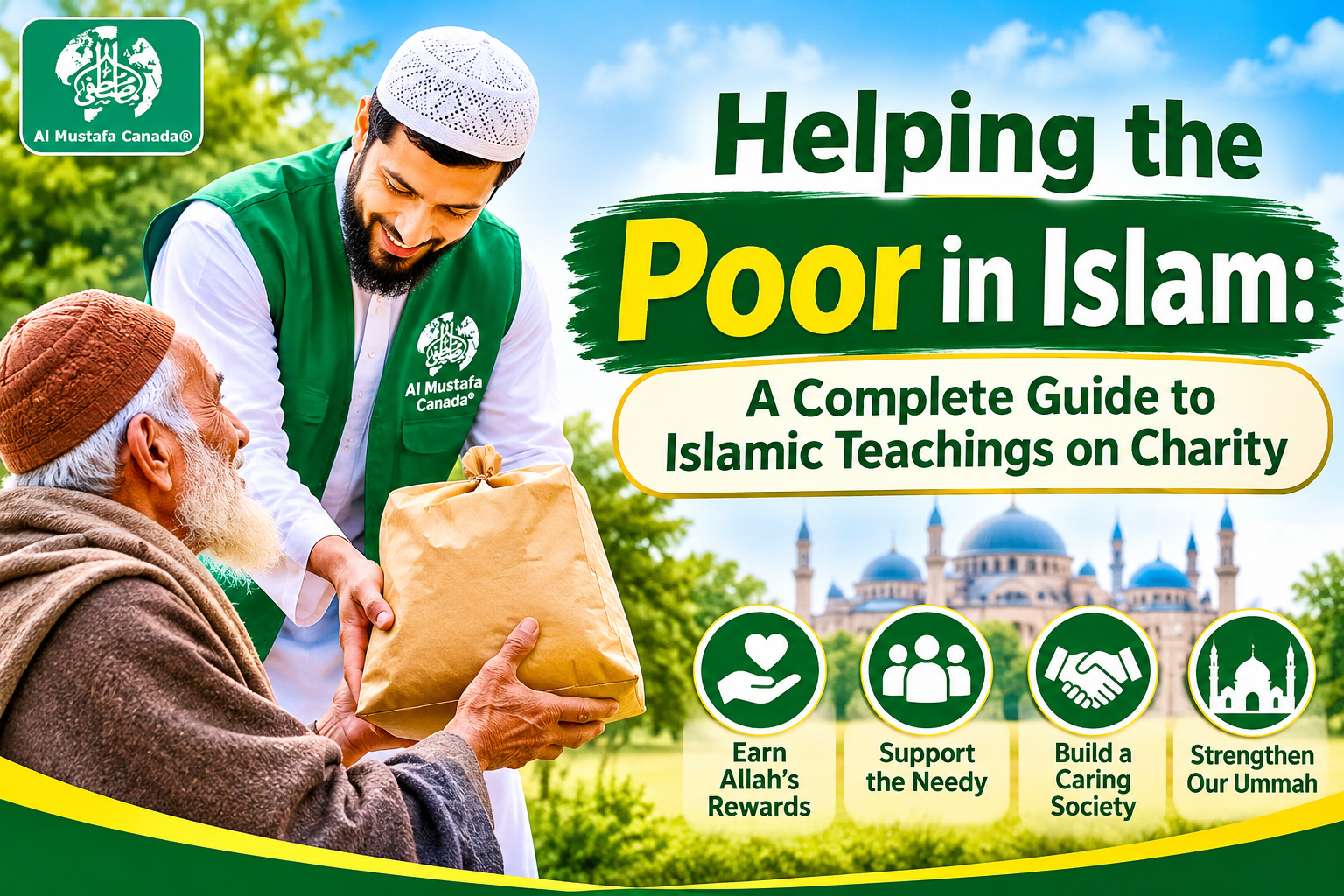
Table of Contents
- Introduction – Why Helping the Poor in Islam Matters More Than Ever
- Understanding the Islamic Charity System
- What Is Zakat in Islam Explained Simply
- What Is Sadaqah in Islam With Examples
- 10 Powerful Benefits of Sadaqah in Islam
- Benefits of Paying Zakat in Islam
- Zakat vs Sadaqah Complete Guide for Beginners
- Step by Step Zakat Calculation Guide for Muslims
- Conclusion
- Frequently Asked Questions
Introduction – Why Helping the Poor in Islam Matters More Than Ever
Have you ever stopped to think about how many people around you are silently struggling? Maybe it's the family next door skipping meals, or a community across the globe without clean water. Helping poor in Islam isn't just a nice thing to do — it's woven into the very fabric of the faith like threads in a tapestry. Islam doesn't treat charity as an afterthought. It places it front and center, right alongside prayer and fasting.
The Prophet Muhammad (peace be upon him) said, "The believer's shade on the Day of Resurrection will be his charity." Let that sink in for a moment. Your generosity today literally becomes your shelter tomorrow. Whether you're a lifelong Muslim looking to deepen your understanding or a curious beginner exploring the Islamic charity system, this guide will walk you through everything — from zakat obligation in Islam to the beauty of voluntary charity in Islam.
If you're ready to make a real difference, organizations like Al-Mustafa Canada offer incredible avenues to channel your giving toward those who need it most.
Understanding the Islamic Charity System
The Foundation of Generosity in Islam
Think of the Islamic social welfare system as a safety net — one that was designed over 1,400 years ago, long before modern welfare states existed. At its core lies a simple but revolutionary idea: wealth doesn't truly belong to you. It belongs to Allah, and you're merely its caretaker. That perspective shifts everything, doesn't it?
The Quran repeatedly urges believers to spend from what they love. Surah Al-Baqarah (2:267) commands, "O you who believe, spend from the good things which you have earned." Notice it doesn't say "spend your leftovers." It says spend the good stuff. That's the bar Islam sets.
How the Islamic Social Welfare System Works
The benefits of charity in Islam ripple outward like a stone tossed into a still pond. Zakat purifies wealth. Sadaqah softens hearts. Sadaqah Jariyah builds legacies. Together, they create an ecosystem where the rich don't hoard and the poor don't starve. You can explore active programs making this vision a reality at Al-Mustafa Canada Programs.
What Is Zakat in Islam Explained Simply
Zakat Meaning and Importance in Islam
So, what is zakat in Islam explained simply? Zakat literally means "purification" and "growth." It's the third pillar of Islam, and it requires every financially able Muslim to give 2.5% of their qualifying wealth each lunar year to specific categories of recipients. Think of it like a spiritual tax — except instead of funding government bureaucracy, it directly feeds the hungry, shelters the homeless, and frees the indebted.
The Spiritual Significance of Zakat Obligation in Islam
The zakat obligation in Islam isn't optional. It's fard (mandatory). Skipping it is a major sin. But here's the beautiful twist: when you pay it, your remaining wealth is purified. It's like pruning a tree — you cut a little so the rest grows stronger. The zakat meaning and importance in Islam goes far beyond money; it's about detaching your heart from materialism.
Who Is Eligible to Receive Zakat in Islam
The Quran (Surah At-Tawbah 9:60) lists eight categories of people who is eligible to receive zakat in Islam:
- The poor (Fuqara)
- The needy (Masakin)
- Zakat administrators
- Those whose hearts are to be reconciled
- Those in bondage
- The debt-ridden
- In the cause of Allah
- The wayfarer (traveler in need)
Zakat for poor families and communities remains the most common and impactful application. You can direct your zakat to vetted recipients through Al-Mustafa Canada Donate.
How to Calculate Zakat Step by Step
Wondering how to calculate zakat step by step? Here's a quick breakdown:
- Identify your zakatable assets — cash, savings, gold, silver, business inventory, investments.
- Subtract your immediate liabilities — debts, bills due.
- Check the Nisab threshold — the minimum wealth you must own before zakat applies. The Nisab equals 87.48 grams of gold or 612.36 grams of silver.
- If your net wealth exceeds the Nisab, calculate 2.5% of the total.
How Much Zakat Should I Pay on Savings
If you're asking how much zakat should I pay on savings, the answer is straightforward: 2.5% of whatever sits in your savings accounts at the end of your zakat year, provided it meets the Nisab. Got $10,000 saved? That's $250. Simple, right?
Zakat Rules for Gold and Silver
The zakat rules for gold and silver follow the same 2.5% principle, but the Nisab thresholds differ. Gold's Nisab is roughly 87.48g, while silver's is about 612.36g. Most scholars recommend using the silver Nisab because it captures more people in the zakat net, helping more of the poor.
Zakat on Business Income Calculation
For entrepreneurs, zakat on business income calculation involves valuing your business inventory, receivables, and liquid assets at market price, subtracting short-term debts, and paying 2.5% on the remainder. It's not on your revenue — it's on your net zakatable assets.
Zakat Distribution Rules in Islam
Zakat distribution rules in Islam require that funds go exclusively to the eight Quranic categories mentioned earlier. You can't use zakat to build a mosque or fund a funeral — that's sadaqah territory. The zakat distribution system is precise, ensuring money reaches the most vulnerable. Learn how Al-Mustafa Canada Zakat handles distribution transparently.
How Zakat Helps Reduce Poverty in Islam
How zakat helps reduce poverty in Islam is almost mathematical. If every eligible Muslim paid their 2.5% faithfully, billions of dollars would flow annually to the world's poorest. It's a wealth redistribution engine built into the religion itself.
What Is Sadaqah in Islam With Examples
Sadaqah Meaning in Islam Simple Explanation
Sadaqah meaning in Islam simple explanation: Sadaqah is any voluntary act of charity given out of compassion, love, or devotion to Allah. Unlike zakat, there's no fixed amount, no deadline, and no Nisab. You can give a dollar, a smile, or even remove a stone from a pathway. Yes, the Prophet (PBUH) literally called removing a harmful object from the road an act of sadaqah!
Difference Between Zakat and Sadaqah
The difference between zakat and sadaqah is like the difference between rent and a gift. Zakat is obligatory, calculated, and time-bound. Sadaqah is voluntary, limitless, and timeless. Both are powerful, but they operate on different tracks. For a deeper dive, check out our zakat vs sadaqah complete guide for beginners section below.
Types of Sadaqah in Islam
The types of sadaqah in Islam are astonishingly diverse:
- Monetary donations
- Feeding the hungry
- Providing clean water
- Sponsoring an orphan
- Sharing knowledge
- Smiling at a stranger
- Sadaqah Jariyah (ongoing charity)
Sadaqah Jariyah Examples and Meaning
Sadaqah jariyah meaning refers to a charity that keeps rewarding you even after death. Think of it like planting a fruit tree — you may not be around forever, but the tree keeps feeding people for generations. Sadaqah jariyah examples include building a well, funding a school, or establishing a healthcare clinic. Al-Mustafa Canada Water Projects and Education Programs are fantastic sadaqah jariyah options.
Best Sadaqah to Give in Islam
The best sadaqah to give in Islam is the one that addresses the most urgent need. The Prophet (PBUH) said giving water is the best form of sadaqah. But sadaqah donation ideas for Muslims also include sponsoring orphans through Al-Mustafa Canada Orphan Sponsorship or supporting Emergency Relief during crises.
10 Powerful Benefits of Sadaqah in Islam
The 10 powerful benefits of sadaqah in Islam will blow your mind:
- Extinguishes sins like water puts out fire (sadaqah for forgiveness of sins)
- Shields you from calamity (sadaqah for health and protection)
- Increases wealth — paradoxically, giving makes you richer
- Softens the heart and builds empathy
- Provides shade on the Day of Judgment
- Heals the sick — the Prophet (PBUH) advised treating illness with sadaqah
- Strengthens community bonds
- Purifies the soul from greed
- Opens doors of sustenance (rizq)
- Earns continuous reward through sadaqah jariyah
Sadaqah benefits in daily life aren't just spiritual — they're psychological and social too. Giving activates the brain's reward centers. You literally feel happier.
Benefits of Paying Zakat in Islam
Why Zakat Is Important for Society
Why zakat is important for society comes down to balance. Unchecked wealth concentration breeds inequality, resentment, and social collapse. Zakat acts as a pressure valve, redistributing resources and maintaining social harmony. The benefits of paying zakat in Islam extend to the giver, the receiver, and the entire community.
Giving Charity in Ramadan
Giving charity in Ramadan multiplies your rewards exponentially. The Prophet (PBUH) was most generous during Ramadan, and Muslims worldwide follow his example. Whether it's zakat, sadaqah, or feeding iftar meals, Ramadan is the supercharged season of giving. Explore Al-Mustafa Canada Ramadan campaigns to maximize your impact.
Zakat vs Sadaqah Complete Guide for Beginners
| Feature | Zakat | Sadaqah |
|---|---|---|
| Obligation | Mandatory (Fard) | Voluntary (Nafl) |
| Amount | 2.5% of qualifying wealth | Any amount |
| Timing | Once per lunar year | Anytime |
| Recipients | 8 Quranic categories | Anyone |
| Nisab Required | Yes | No |
Step by Step Zakat Calculation Guide for Muslims
| Step | Action | Example |
|---|---|---|
| 1 | List all zakatable assets | Cash: $8,000, Gold: $3,000 |
| 2 | Total your assets | $11,000 |
| 3 | Subtract liabilities | Debts: $1,000 → Net: $10,000 |
| 4 | Compare to Nisab | Nisab (silver): ~$500 → You qualify |
| 5 | Calculate 2.5% | $10,000 × 0.025 = $250 |
Ready to pay? Visit Al-Mustafa Canada Zakat Calculator for a personalized zakat calculation guide.
Conclusion
Helping poor in Islam isn't a sidebar — it's the main story. From the structured discipline of zakat to the boundless generosity of sadaqah, Islam offers a comprehensive blueprint for eradicating poverty and nurturing compassion. Whether you're calculating your first zakat payment or planting a sadaqah jariyah that will outlive you, every act of giving echoes into eternity. Don't wait for the "perfect" moment. The perfect moment is now. Head over to Al-Mustafa Canada and start making a tangible difference today. Your wealth will grow, your soul will heal, and someone's life will change forever. Isn't that worth 2.5% — or even a smile?
Frequently Asked Questions
1. What is the minimum amount of zakat I must pay?
There's no minimum payment — the minimum is the Nisab (threshold of wealth you must own). Once your net zakatable assets exceed the Nisab (approximately 87.48g of gold or 612.36g of silver), you owe 2.5% of that total. If you're unsure, use the Al-Mustafa Canada Zakat page for guidance.
2. Can I give sadaqah to non-Muslims?
Absolutely! While zakat has specific recipient categories, sadaqah can be given to anyone — Muslim or non-Muslim, human or animal. The Prophet (PBUH) encouraged kindness to all of creation.
3. Is zakat only paid during Ramadan?
No. Zakat is due once every lunar year when your wealth has been above the Nisab for a full year (hawl). Many Muslims choose to pay during Ramadan for multiplied rewards, but it's not a requirement. Learn more about giving charity in Ramadan.
4. What is the best form of sadaqah jariyah?
The best sadaqah jariyah is one that provides lasting benefit — building a well, funding education, or establishing a healthcare facility. Projects like Al-Mustafa Canada Water Projects and Healthcare Programs continue generating reward long after your initial donation.
5. How does zakat differ from regular charity in Islam?
Zakat is a mandatory, calculated obligation with fixed recipients and timing, while regular charity (sadaqah) is entirely voluntary with no restrictions. Both are essential pillars of helping poor in Islam, but they serve complementary roles in the Islamic social welfare system. For a full breakdown, visit Al-Mustafa Canada to learn how both forms of giving are put into action.

 Arabic
 French
 Spanish
 Portuguese
 Deutsch
 Turkish
 Dutch
 Italiano
 Russian
 Romaian
 Portuguese (Brazil)
 Greek
