


Can a Brow Lift Fix Hooded Eyelids?
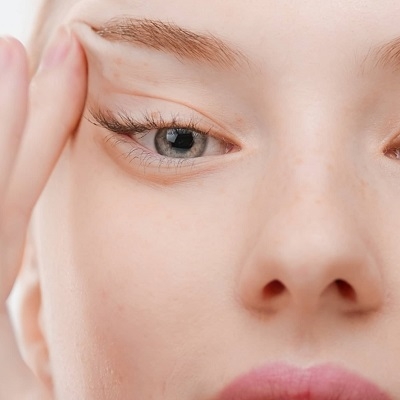
Hooded eyelids are a common aesthetic concern that can make the eyes appear smaller, tired, or less defined. This condition occurs when excess skin or soft tissue around the upper eyelids creates a fold that partially covers the natural eyelid crease. While hooded eyes are often a natural facial feature, they can also develop with age as the skin loses elasticity and the supporting tissues gradually change. For individuals seeking a refreshed and more open appearance, a brow lift may be a suitable treatment option.
A Brow Lift in Oman is one approach that may help improve the appearance of hooded eyelids when a low or drooping brow contributes to the problem. By gently elevating the brow position, this procedure can reduce the amount of skin resting over the upper eyelids and create a more refreshed appearance. However, a brow lift is not the right solution for every type of hooded eyelid. Understanding the underlying cause is essential when considering an appropriate treatment.
1. Understanding Hooded Eyelids and Their Common Causes
Hooded eyelids occur when the skin between the eyebrow and upper lash line folds over the natural eyelid crease. The degree of hooding varies from person to person. Some individuals naturally have more prominent upper eyelid folds, while others notice increasing hooding as they grow older.
Several factors can contribute to this appearance:
-
Natural facial anatomy: Genetics can influence eyebrow position, eyelid shape, and the amount of skin around the eyes.
-
Age-related changes: As the skin gradually loses collagen and elasticity, the upper eyelid area may become less firm.
-
Drooping eyebrows: A lower brow position can push additional skin toward the upper eyelids, making them appear hooded.
-
Skin laxity: Excess or loose skin around the upper eyelids can create folds that partially cover the eyelid crease.
-
Changes in supporting tissues: Gradual changes in the muscles and soft tissues around the eyes can influence the overall appearance of the brow and eyelids.
Hooded eyelids are not necessarily a medical concern. However, significant upper eyelid drooping may sometimes interfere with peripheral vision or make everyday activities more difficult.
It is important to distinguish between naturally hooded eyelids, brow descent, and true eyelid ptosis. These conditions may look similar but have different underlying causes and treatment requirements.
2. Can a Brow Lift Fix Hooded Eyelids?
Yes, a brow lift can improve the appearance of hooded eyelids when the condition is primarily caused by a low or sagging eyebrow position.
The eyebrows provide structural support to the skin above the upper eyelids. When they gradually descend, the surrounding skin may move downward and create additional folds over the eyelid crease. This can make the eyes appear smaller and contribute to a heavy or tired facial expression.
A brow lift addresses this concern by repositioning the eyebrows to a more elevated and balanced position. Raising the brow can reduce the amount of overhanging skin above the upper eyelids, helping the eyes appear more open and refreshed.
However, the effectiveness of this procedure depends on the cause of the hooding.
For example, an individual whose eyebrows sit noticeably low may experience a meaningful improvement after a brow lift. In contrast, someone with significant excess upper eyelid skin may require a different or additional procedure.
A brow lift does not directly remove excess eyelid skin or correct every form of eyelid muscle weakness. Therefore, an appropriate assessment is necessary before deciding whether this procedure can achieve the desired result.
3. How Does a Brow Lift Improve the Appearance of Hooded Eyes?
A brow lift works by addressing the position of the eyebrows and the surrounding forehead tissues. Depending on the individual's anatomy and treatment approach, the procedure can create a more elevated brow position while maintaining natural facial proportions.
The potential improvements include:
Elevating a Drooping Brow
When the eyebrows sit too low, they can contribute to excess skin gathering around the upper eyelids. A brow lift raises the brow position, helping reduce this downward pressure.
Creating a More Open Eye Appearance
By improving the relationship between the eyebrows and upper eyelids, the procedure may make the eyes look more open and less heavy.
Improving Facial Balance
The eyebrows play an important role in facial expression. A low brow can sometimes make the forehead and eye area appear tired or tense. A carefully planned lift can create better balance between the upper face and the eyes.
Softening a Tired Appearance
Excessive brow descent may contribute to a permanently tired or aged appearance. Repositioning the eyebrows can help create a fresher facial expression without changing the individual's natural identity.
Maintaining Natural-Looking Results
A well-planned brow lift aims to improve the existing eyebrow position rather than create an excessively high or unnatural appearance. The goal is to maintain facial harmony and preserve natural expressions.
The final outcome depends on factors such as skin elasticity, eyebrow anatomy, facial structure, and the degree of existing hooding.
4. Brow Lift vs. Upper Eyelid Surgery: Which Is Better for Hooded Eyelids?
Although brow lifts and upper eyelid surgery can both improve the appearance of hooded eyes, they address different anatomical concerns.
Understanding the difference helps individuals make more informed decisions about treatment.
Brow Lift
A brow lift focuses on raising the eyebrows and improving the position of the forehead tissues. It is generally considered when a low eyebrow position contributes to excess skin gathering over the upper eyelids.
Potential benefits include:
-
Elevating drooping eyebrows.
-
Reducing the appearance of heaviness above the eyes.
-
Improving forehead and eyebrow positioning.
-
Creating a more refreshed upper facial appearance.
Upper Eyelid Surgery (Blepharoplasty)
Upper eyelid surgery focuses on the eyelids themselves. It involves removing or repositioning excess skin and, when appropriate, adjusting underlying fat or other tissues.
It may be more suitable when loose upper eyelid skin is the primary cause of hooding rather than a low brow position.
Potential benefits include:
-
Addressing excess upper eyelid skin.
-
Improving the definition of the natural eyelid crease.
-
Reducing heavy-looking eyelid folds.
-
Improving vision when excess skin obstructs the visual field.
Can Both Procedures Be Combined?
In some cases, a combination of brow lift and upper eyelid surgery may provide a more balanced result. This may be considered when both brow descent and excess eyelid skin contribute to the hooded appearance.
However, combining procedures is not necessary for everyone. Treatment planning should be based on individual anatomy, aesthetic goals, and medical suitability.
A qualified surgeon can evaluate the brow position, eyelid structure, skin quality, and muscle function to recommend an appropriate approach.
5. What to Expect Before, During, and After a Brow Lift
Understanding the treatment process can help individuals feel more prepared when considering a brow lift.
Before the Procedure
The process usually begins with a consultation and facial assessment. The surgeon evaluates eyebrow height, forehead structure, eyelid skin, and the degree of brow descent.
Medical history, current medications, previous cosmetic procedures, and individual expectations may also be discussed.
The assessment helps determine whether a brow lift alone is appropriate or whether another treatment may better address the concern.
During the Procedure
A brow lift is generally performed as a surgical procedure under an appropriate form of anaesthesia.
The specific technique depends on the individual's anatomy and desired outcome. Different approaches may involve incisions within the hairline, along the forehead, or in other carefully selected locations.
Through the chosen technique, the surgeon adjusts the underlying tissues and repositions the eyebrows to achieve a more elevated appearance.
The procedure's duration varies according to the surgical method and whether additional procedures are performed.
After the Procedure
Following surgery, some swelling, bruising, tightness, and temporary discomfort around the forehead and eyes are common.
Recovery experiences vary, but individuals may be advised to:
-
Follow all postoperative instructions carefully.
-
Keep the treated area clean.
-
Avoid strenuous physical activities until cleared by the surgeon.
-
Sleep with the head slightly elevated if recommended.
-
Attend scheduled follow-up appointments.
-
Avoid rubbing or placing unnecessary pressure on the surgical area.
Initial swelling generally improves gradually, although complete healing and the final appearance can take several weeks or longer.
Following professional aftercare recommendations is important for supporting recovery and reducing the risk of complications.
6. Who Is a Suitable Candidate for a Brow Lift?
A brow lift may be appropriate for adults who are concerned about a low eyebrow position, forehead heaviness, or hooded eyelids caused by brow descent.
Potential candidates may include individuals who:
-
Have eyebrows that sit lower than their natural position.
-
Notice excess skin gathering above the upper eyelids because of brow descent.
-
Experience a tired or heavy appearance around the eyes.
-
Want to improve the position of their eyebrows.
-
Have realistic expectations about surgical outcomes.
-
Are in suitable general health for an elective surgical procedure.
However, not everyone with hooded eyelids needs a brow lift.
Individuals with significant upper eyelid skin excess, eyelid muscle weakness, or certain underlying eye conditions may require a different assessment and treatment approach.
A comprehensive consultation is particularly important for anyone experiencing changes in vision, asymmetry, or difficulty keeping the eyes open.
Frequently Asked Questions About Brow Lifts and Hooded Eyelids
1. Can a brow lift completely remove hooded eyelids?
A brow lift can significantly improve hooded eyelids when low eyebrows are the main contributing factor. However, it may not completely correct hooding caused by excess eyelid skin or weakened eyelid muscles. The results depend on the individual's anatomy and the underlying cause.
2. Is a brow lift better than upper eyelid surgery for hooded eyes?
Neither procedure is universally better. A brow lift is generally more appropriate when eyebrow descent creates heaviness above the eyes, while upper eyelid surgery addresses excess skin directly on the eyelids. Some individuals may benefit from a combination of both procedures.
3. How long do brow lift results last?
Brow lift results are generally long-lasting, although they do not stop the natural ageing process. Skin elasticity, lifestyle, genetics, and individual healing can influence how the results change over time.
4. Does a brow lift make the eyes look bigger?
A brow lift can make the eyes appear more open by elevating the eyebrows and reducing the skin gathering above the upper eyelids. However, it does not physically enlarge the eyes or change their natural shape.
5. Is recovery from a brow lift painful?
Most individuals experience some temporary discomfort, swelling, bruising, or tightness following surgery. These symptoms usually improve gradually during recovery. The surgeon may recommend appropriate medication and aftercare measures to manage discomfort.
6. Can a brow lift correct hooded eyelids caused by ageing?
Yes, a brow lift may help when ageing has caused the eyebrows to descend and contribute to upper eyelid hooding. However, when excess eyelid skin is the primary concern, upper eyelid surgery may be more appropriate. A professional assessment helps identify the most suitable treatment.
Final Thoughts
A brow lift can be an effective option for improving hooded eyelids when a low or drooping eyebrow position is responsible for the heavy appearance around the eyes. By elevating the eyebrows and improving the position of the surrounding tissues, the procedure can create a more open, refreshed, and balanced upper facial appearance.
However, hooded eyelids can develop for several different reasons, and a brow lift does not address every underlying cause. Some individuals may benefit more from upper eyelid surgery, while others may achieve better results through a combination of procedures.
Understanding the difference between brow descent, excess eyelid skin, and eyelid muscle weakness is essential when exploring treatment options. An individualised assessment, realistic expectations, and appropriate postoperative care all contribute to making an informed decision.
Read More About Brow Lift: https://bout-ye.com/blogs/13623/Does-a-Brow-Lift-Make-You-Look-Younger

 Arabic
 French
 Spanish
 Portuguese
 Deutsch
 Turkish
 Dutch
 Italiano
 Russian
 Romaian
 Portuguese (Brazil)
 Greek
