


From Plain Denim to Personal Style: Creative Ways to Customize Clothes with Embroidered Iron On Patches
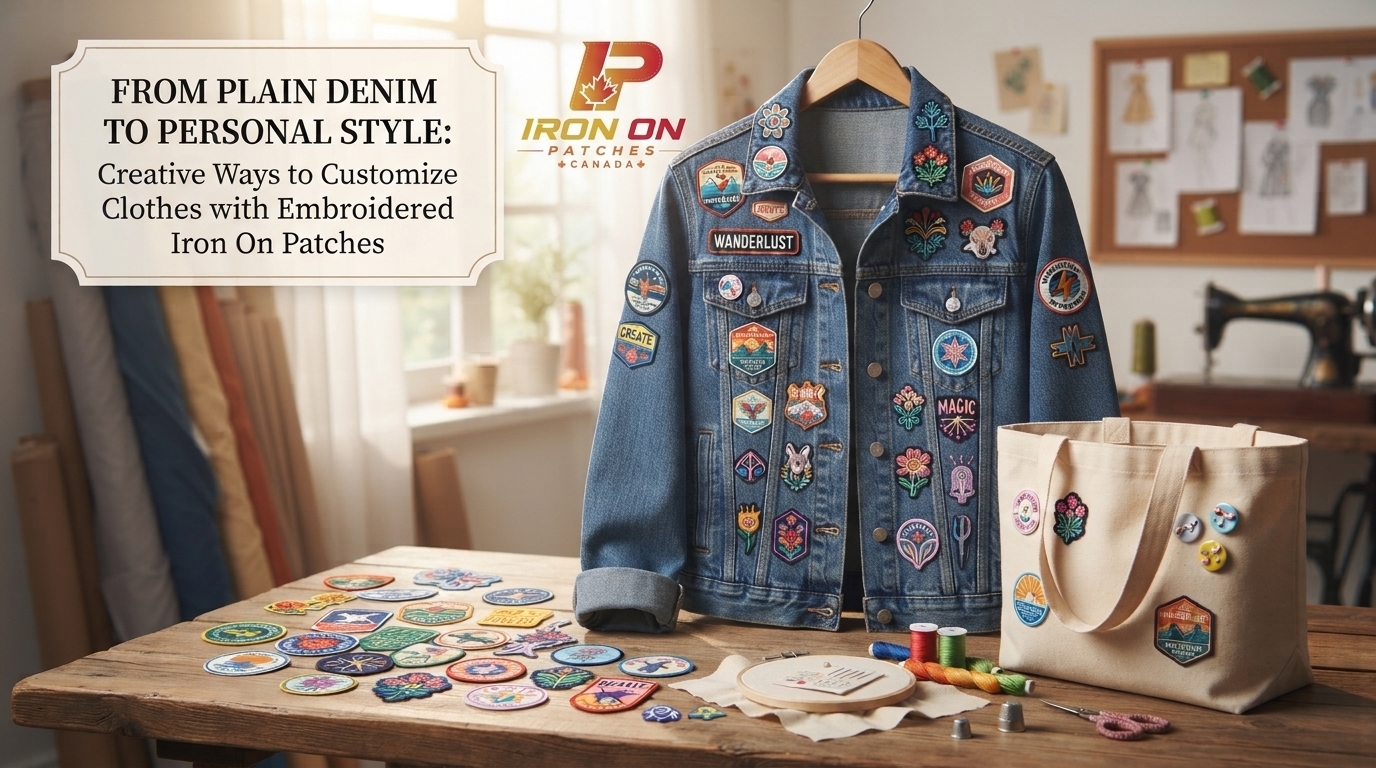
Fashion is not always about buying something new. Sometimes, the most interesting outfits come from transforming clothes already hanging in your wardrobe. A plain denim jacket, an old backpack, or a basic sweatshirt can become a personal fashion statement with a little creativity. For DIY enthusiasts exploring Embroidered Iron On Patches, designs offer an accessible way to bring individuality, color, and personality into everyday clothing.
Clothing customization has become an appealing creative activity for people who enjoy experimenting with their appearance. Instead of following every seasonal trend, individuals can create combinations that reflect their interests, favorite colors, hobbies, and personal experiences. Embroidered patches make this process particularly enjoyable because they add texture and character without requiring advanced sewing or design skills.
Why Clothing Customization Appeals to Creative People
Personal style is a form of self-expression. Two people can own identical denim jackets but make them look completely different through their choice of accessories, artwork, and decorative details.
Customization also gives older clothing another opportunity to be worn. Rather than throwing away a jacket because it looks ordinary or outdated, adding carefully selected decorative elements can give it a completely different appearance.
For DIY fashion enthusiasts, the process offers several benefits:
- Individuality: Create clothing that reflects personal interests and personality.
- Creativity: Experiment with colours, patterns, lettering, and illustrations.
- Wardrobe renewal: Give older garments a fresh appearance.
- Personal meaning: Use symbols and designs connected to hobbies, memories, or communities.
- Creative flexibility: Change the appearance of different clothing items without purchasing an entirely new wardrobe.
1. Turn an Ordinary Denim Jacket into a Statement Piece
Denim jackets are among the most versatile items for clothing customization. Their relatively durable fabric and classic appearance make them suitable for different decorative styles.
A minimalist design might include one small embroidered symbol on the chest pocket. Someone who prefers a more expressive look could arrange several patches across the back, sleeves, or lower front panels.
Consider combining different design elements:
- Small floral embroidery for a softer appearance.
- Vintage-inspired artwork for a retro look.
- Lettering and initials for personal identity.
- Colourful illustrations for a playful style.
- Travel-inspired symbols representing memorable destinations.
The important thing is to maintain a visual balance. Too many large designs can make the jacket look crowded, while carefully arranged pieces create a more intentional appearance.
2. Give Backpacks and Everyday Accessories More Character
Clothing is not the only place where embroidered designs can make a difference. Backpacks, canvas tote bags, fabric pencil cases, and other textile accessories offer interesting customization opportunities.
Students might choose designs connected to music, sports, or favourite activities. Travellers could create a collection of destination-inspired artwork, while artists might prefer abstract shapes and colourful illustrations.
Before applying any patch, examine the accessory's fabric and construction. Heavy-duty canvas and suitable cotton materials can provide a practical surface, but coated, waterproof, delicate, or heat-sensitive materials may require a different attachment method.
A little planning helps prevent damage and keeps the finished design looking neat.
3. Explore the Difference Between Iron-On and Sew-On Patches
Choosing the right backing is an important part of a successful customization project.
Iron-on patches generally feature a heat-activated adhesive that bonds with compatible fabrics when the correct temperature, pressure, and application time are used. They are convenient for people who want to complete a project without extensive sewing.
Sew-on patches, on the other hand, are attached using stitches around their edges. This approach offers greater flexibility for delicate fabrics, frequently washed garments, and materials that should not be exposed to high temperatures.
Some projects benefit from combining both methods. A patch can initially be positioned using its adhesive backing and then secured with stitching when additional durability is needed, provided the fabric and patch construction allow it.
Always follow the manufacturer's application instructions and check fabric care recommendations before using heat.
4. Design a Coordinated Look Instead of Random Decorations
One common mistake in DIY clothing customization is selecting attractive designs individually without considering how they will work together.
A coordinated collection usually looks more polished.
Start by choosing a theme. For example, a nature-inspired jacket could feature leaves, flowers, mountains, and wildlife. A streetwear-inspired collection might use bold lettering, geometric artwork, and contrasting colours.
Next, consider the size and placement of each design. Large embroidered pieces work well as focal points, while smaller designs can fill empty spaces without overwhelming the garment.
It is also useful to consider the garment's original colour. Bright designs can stand out against dark denim, while neutral embroidery may complement lighter fabrics.
5. Use Clothing Upcycling to Make Better Use of Your Wardrobe
Upcycling gives existing garments a new purpose through creative modifications. Embroidered patches can help cover small imperfections, faded areas, or minor fabric marks while introducing a completely different visual direction.
For example, an older denim jacket could become a customised weekend outfit, while a plain cotton tote bag could be transformed into a reusable accessory with a distinctive design.
However, patches should not be treated as a replacement for repairing serious fabric damage. Check the garment first to make sure the underlying material is still strong enough to support the decoration.
This approach makes clothing customization both creative and practical.
6. What to Consider When Ordering Custom Embroidered Designs
For people who want something more personal than standard decorative designs, custom patches provide additional creative possibilities.
A custom design can be based on original artwork, a favourite illustration, a brand logo, initials, or a community identity.
Before placing an order, consider these factors:
Artwork quality: Clear artwork helps communicate the intended design. High-resolution files are particularly useful for detailed illustrations and lettering.
Size: Select dimensions that suit the intended placement. A large back design requires different proportions from a small sleeve decoration.
Thread colours: Choose colours that complement the garment rather than competing with it.
Backing type: Decide whether iron-on, sew-on, or another attachment option is appropriate for the fabric.
Stitching detail: Very small text and intricate illustrations may need adjustments to remain readable when embroidered.
7. Creative Ideas for Different Personal Styles
There is no single approach to customizing clothing. Different people can use the same type of embroidered decoration to achieve completely different results.
For vintage fashion lovers: Combine retro lettering, classic illustrations, and muted thread colours on denim jackets or bags.
For streetwear enthusiasts: Experiment with bold symbols, typography, and contrasting embroidered designs.
For students: Add small designs representing music, sports, favourite subjects, or extracurricular activities to backpacks and casual clothing.
For independent clothing designers: Develop a consistent visual identity through logo patches and coordinated decorative elements.
For craft enthusiasts: Create themed collections for seasonal projects, handmade gifts, or personal DIY experiments.
The best designs are those that feel natural to the person wearing them.
Final Thoughts
Customizing clothing is a creative way to make everyday fashion more personal. From transforming denim jackets to updating backpacks and developing coordinated accessories, embroidered patches provide plenty of opportunities for experimentation.
The most successful projects begin with a clear idea, suitable materials, thoughtful placement, and a design that complements the garment. Whether someone prefers a subtle decorative detail or a bold statement piece, a little creativity can turn ordinary clothing into something that feels entirely their own.

 Arabic
 French
 Spanish
 Portuguese
 Deutsch
 Turkish
 Dutch
 Italiano
 Russian
 Romaian
 Portuguese (Brazil)
 Greek
