


Are PVC Patches Better Than Embroidered Patches? A Guide for Canadian Buyers
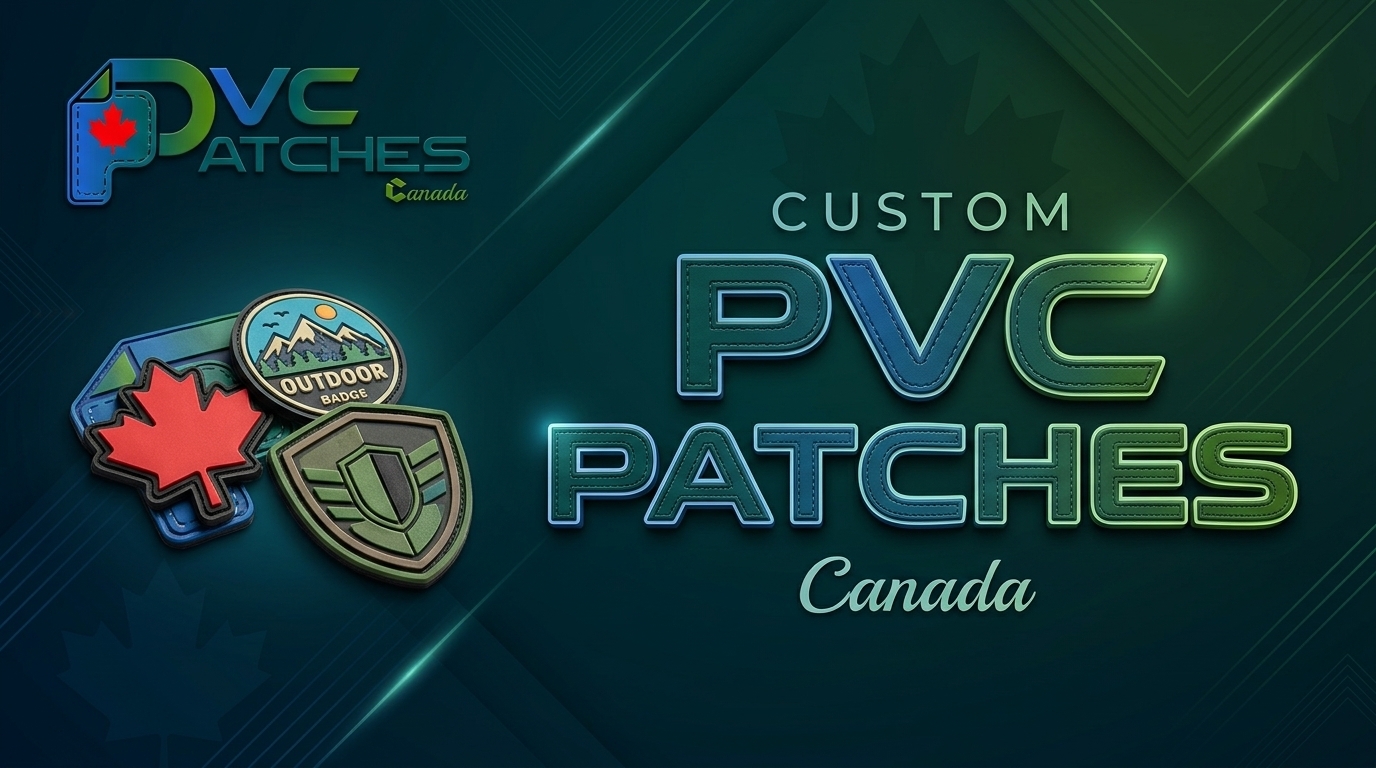
Choosing the right patch for clothing, uniforms, backpacks, or outdoor equipment can be more complicated than it first appears. Different materials offer different advantages, and the best option depends on where the patch will be used, how frequently it will be handled, and what kind of appearance is required. PVC Patches have become an interesting alternative to traditional embroidered designs, particularly for applications involving moisture, dirt, and regular outdoor use.
But are PVC patches actually better than embroidered patches? Do they last longer in Canadian weather? Are they suitable for everyday clothing, or are fabric-based alternatives still the better choice?
Understanding the differences between these materials can help individuals, businesses, sports teams, and organisations make more informed decisions. This guide explores their construction, durability, design possibilities, limitations, and practical applications.
What Is the Difference Between PVC and Embroidered Patches?
The biggest difference comes from how each type is manufactured.
PVC patches are produced using moulded polyvinyl chloride, a flexible synthetic material. The design is created through moulding, allowing manufacturers to produce raised sections, recessed details, and clearly separated colours.
Embroidered patches, on the other hand, are made by stitching coloured threads onto a fabric backing. Their appearance depends on stitch patterns, thread density, and the arrangement of different colours.
How Are PVC Patches Manufactured?
The manufacturing process generally involves preparing the artwork, creating a mould, adding coloured PVC material, and allowing the design to cure into its finished shape.
This method makes it possible to produce distinctive textures and raised details. It also means that the final product does not depend on individual threads to create the design.
How Are Embroidered Patches Made?
Embroidered patches are produced using specialised machines that stitch thread into a fabric base. Different thread colours and stitching techniques create the finished artwork.
This process gives embroidered designs their traditional textured appearance. However, very small lettering and intricate details can become difficult to reproduce when the patch size is limited.
Which Type of Patch Is More Durable?
Durability is one of the most important considerations when choosing between PVC and embroidery. However, neither material is automatically the best option for every situation.
Are PVC Patches Suitable for Outdoor Use?
PVC is generally well suited to applications where moisture resistance and easy cleaning are important. Its smooth surface does not absorb water like ordinary textile materials.
This makes it useful for:
-
Hiking backpacks and camping equipment.
-
Outdoor jackets and accessories.
-
Sports equipment bags.
-
Workwear used in demanding environments.
-
Marine and recreational equipment.
PVC also has no stitched edges that can unravel, although the patch itself can still experience damage from sharp objects, excessive heat, or unsuitable storage.
Do Embroidered Patches Last as Long?
Embroidered patches can also provide good durability, particularly when manufactured with quality thread and securely attached to suitable garments.
They are commonly used on uniforms, jackets, caps, and everyday clothing. However, threads can become damaged through repeated friction, snagging, and heavy use.
For ordinary apparel, embroidery may provide all the durability required. For equipment regularly exposed to moisture and dirt, PVC may be a more practical choice.
How Does Canadian Weather Affect Patch Selection?
Canada's changing weather conditions make material selection especially important for outdoor clothing and equipment.
Different regions experience different combinations of rain, snow, sunlight, humidity, and temperature changes. A patch used on a winter jacket in Quebec may face different conditions from one attached to a hiking backpack in British Columbia.
What Happens to Patches During Winter?
Freezing temperatures can affect the flexibility of some synthetic materials. PVC formulations differ, so buyers should ask manufacturers whether their products are tested for low-temperature performance.
Embroidered patches do not have the same moulded structure, but their threads and fabric backing can also experience wear when exposed to moisture, freezing conditions, and repeated friction.
Which Material Is Better for Rainy Conditions?
PVC generally has an advantage because its surface resists moisture absorption. Embroidered patches are made from thread and fabric, which can retain water depending on their construction.
However, the attachment method also matters. A water-resistant patch attached with an unsuitable adhesive may still become loose after repeated exposure to moisture.
Does Sunlight Affect Patch Colours?
Prolonged exposure to sunlight can gradually affect the appearance of different materials. Colour stability depends on the pigments, threads, PVC formulation, and manufacturing quality.
For patches intended for extended outdoor use, ask about UV resistance rather than assuming that either material will retain its original appearance indefinitely.
Which Patch Offers Better Design Possibilities?
Appearance is another important factor. PVC and embroidery create noticeably different visual effects, so the choice should reflect the intended design.
What Designs Work Best With PVC?
PVC is particularly suitable for bold graphics, clearly defined shapes, and layered designs.
Examples include:
-
Geometric business logos.
-
Sports team mascots.
-
Outdoor club emblems.
-
Flags and symbolic designs.
-
Raised lettering and identification badges.
Its moulded construction allows designers to create 2D and 3D effects that provide additional visual depth.
When Is Embroidery a Better Design Choice?
Embroidery is often preferred when a traditional fabric appearance is important. Its raised thread texture works particularly well for classic logos, school emblems, club badges, and corporate uniforms.
It can also provide a more natural appearance when attached to garments made from similar textile materials.
What About Small Text and Intricate Details?
Both methods have design limitations.
PVC can reproduce crisp colour boundaries, but extremely small moulded details may still become difficult to manufacture accurately. Embroidery is limited by thread thickness and stitch density.
The best approach is to review the artwork at its actual production size. Simplifying unnecessary elements often improves the final appearance regardless of the material selected.
Is PVC More Expensive Than Embroidered Patches?
Cost depends on several factors, including dimensions, order quantity, design complexity, backing, and manufacturing requirements.
PVC production generally involves creating a custom mould for each new design. This setup requirement can increase the initial cost, particularly for small orders.
Embroidery usually requires digital stitch-file preparation rather than a physical mould, making it a practical option for many traditional designs.
What Should Buyers Consider Before Ordering?
Instead of comparing only the price per patch, consider the following:
-
Initial setup: Does the design require a custom mould or embroidery digitising?
-
Order quantity: How many patches are needed?
-
Design complexity: Does the artwork require multiple colours or raised details?
-
Attachment: Will the patch use sew-on or hook-and-loop backing?
-
Expected use: Will it be worn occasionally or exposed to demanding conditions?
Comparing these factors provides a more realistic understanding of overall value.
Which Backing Is Suitable for Different Applications?
Backing determines how a patch attaches to clothing or equipment. Choosing an appropriate option is just as important as selecting the patch material.
Is Sew-On Backing a Reliable Option?
Sew-on backing is suitable for applications requiring a permanent attachment. It works with many jackets, bags, uniforms, and fabric accessories.
For PVC patches, the manufacturer should confirm that the design includes an appropriate stitching area.
When Should You Choose Hook-and-Loop Backing?
Hook-and-loop backing is useful when patches need to be removed or exchanged regularly.
It is commonly used for compatible backpacks, tactical-style equipment, and uniforms with interchangeable identification panels.
Is Adhesive Backing Suitable for PVC?
Adhesive backing may work for certain temporary applications, depending on the adhesive and surface.
However, PVC should not automatically be treated like a traditional iron-on embroidered patch. Excessive heat may damage the material. Always confirm the manufacturer's recommended attachment method before installation.
How Can You Choose the Right Patch for Your Needs?
The easiest way to make a decision is to start with the intended application rather than the appearance alone.
Consider these examples:
|
Intended application |
Suitable option |
|---|---|
|
Outdoor backpacks |
PVC |
|
Traditional school uniforms |
Embroidered |
|
Sports team jackets |
Either |
|
Tactical-style equipment |
PVC |
|
Corporate clothing |
Embroidered |
|
Moisture-exposed equipment |
PVC |
|
Heritage-style club badges |
Embroidered |
These are general recommendations rather than strict rules. Material quality, garment construction, and design requirements can change the final decision.
What Questions Should You Ask Before Ordering Custom Patches?
Before approving a production order, it is worth asking the manufacturer a few practical questions.
-
What material formulation is used?
-
Is the patch suitable for outdoor exposure?
-
How does the material perform in freezing temperatures?
-
Which backing options are available?
-
Can the design reproduce small lettering clearly?
-
Is a digital proof or physical sample available?
-
What cleaning and maintenance instructions should be followed?
Getting clear answers can help prevent problems with appearance, attachment, and long-term use.
Conclusion
So, are PVC patches better than embroidered patches? The answer depends on the purpose, environment, and appearance you want to achieve.
PVC is generally a practical choice for outdoor equipment, moisture-exposed applications, bold graphics, and designs requiring raised details. Embroidery remains a strong option for traditional uniforms, fabric-based branding, and classic decorative badges.
For Canadian buyers, weather conditions, attachment methods, artwork requirements, and expected usage should all influence the decision. Rather than choosing one material simply because it is popular, consider how the finished patch will perform in its actual environment.
A well-informed choice can help ensure that the patch looks appropriate, remains securely attached, and serves its intended purpose over time.

 English
 Arabic
 French
 Spanish
 Portuguese
 Deutsch
 Turkish
 Dutch
 Italiano
 Russian
 Romaian
 Greek
