


8 Natural Foods That Support Healthy Weight Management
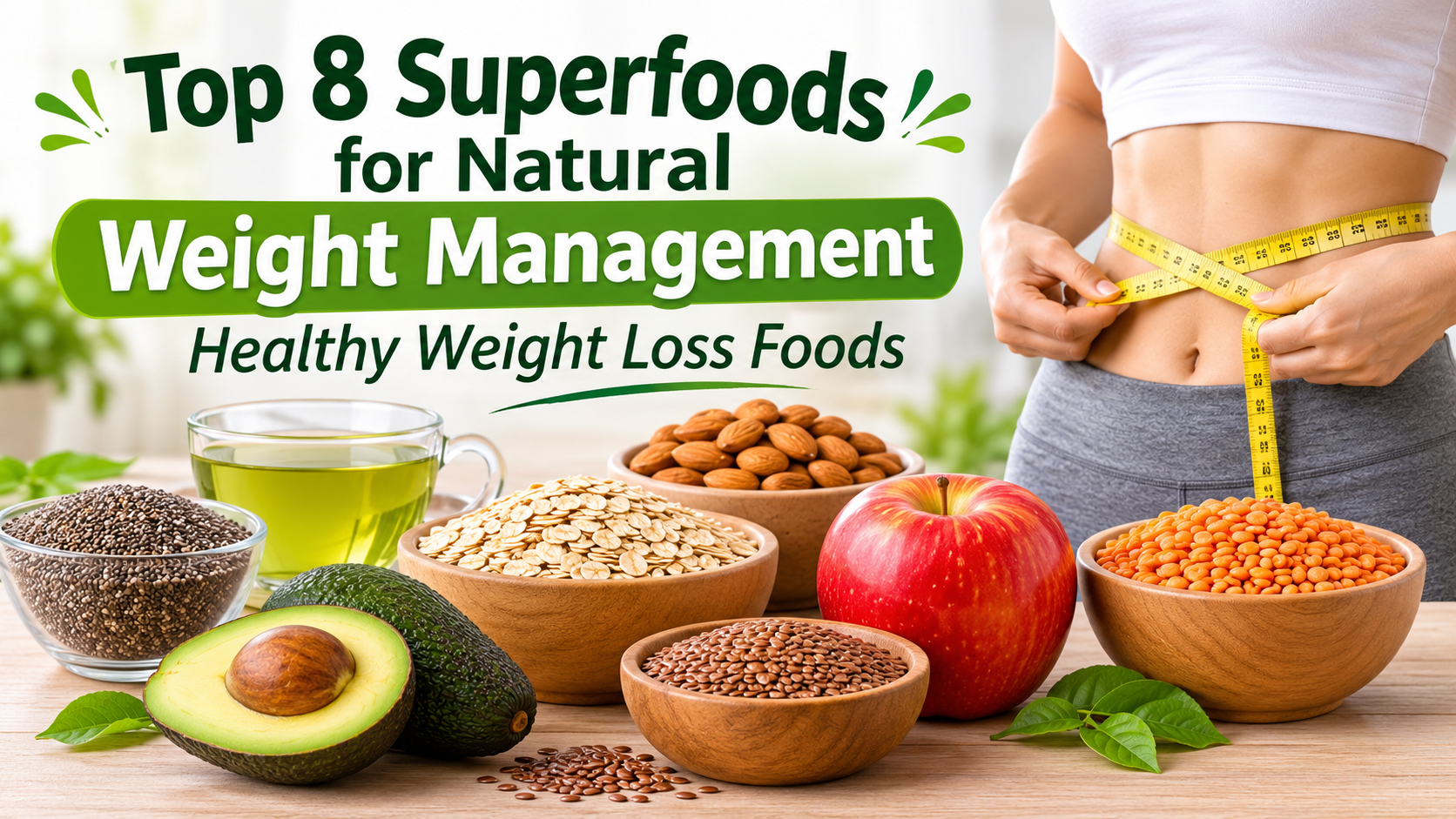
Maintaining a healthy weight is not just about eating less or following strict diets. It is about developing better eating habits, choosing nutritious foods, staying physically active, and giving your body the nutrients it needs. Many people struggle with weight management because they focus only on reducing calories instead of improving the overall quality of their diet.
One practical approach is to include nutrient-rich foods in everyday meals. Certain natural foods contain fibre, protein, healthy fats, vitamins, and minerals that can support fullness, digestion, and balanced eating habits.
Here are eight natural foods worth including in a healthy weight-management routine.
1. Chia Seeds
Chia seeds are small but packed with important nutrients. They contain dietary fibre, plant-based omega-3 fatty acids, protein, and minerals.
Their high fibre content makes them a useful addition to meals because fibre absorbs water and forms a gel-like texture. This can help make meals more satisfying.
How to include chia seeds:
-
Add one tablespoon to a glass of water.
-
Mix them into overnight oats.
-
Sprinkle them over yoghurt.
-
Blend them into fruit smoothies.
Always allow chia seeds to absorb liquid before consuming them.
2. Green Tea
Green tea is a popular beverage enjoyed around the world. It contains natural plant compounds called catechins, along with a moderate amount of caffeine.
Some research suggests that green tea compounds may have a small influence on energy expenditure and fat metabolism. However, green tea alone does not produce significant weight loss.
Simple ways to enjoy green tea:
-
Drink a cup in the morning.
-
Replace sugary drinks with unsweetened green tea.
-
Enjoy it between meals.
-
Add fresh lemon for flavour.
Avoid adding excessive sugar or honey if you are trying to reduce your overall calorie intake.
3. Oats
Oats are an excellent breakfast choice because they contain soluble fibre, particularly beta-glucan. This fibre absorbs water and creates a thicker consistency during digestion.
A bowl of oatmeal can provide lasting satisfaction and help reduce the temptation to snack frequently.
Healthy ways to eat oats:
-
Prepare oatmeal with milk.
-
Add fresh apples or berries.
-
Mix in chia seeds.
-
Prepare overnight oats for busy mornings.
Choose plain oats instead of heavily sweetened instant varieties.
4. Almonds
Almonds are rich in healthy fats, plant protein, fibre, vitamin E, and magnesium. Although they are relatively high in calories, their combination of nutrients makes them a satisfying snack.
Eating a moderate portion of almonds can help replace less nutritious snacks such as biscuits, chips, and sweets.
Ways to enjoy almonds:
-
Eat a small handful between meals.
-
Add chopped almonds to oatmeal.
-
Mix them with other unsalted nuts.
-
Sprinkle them over homemade salads.
Portion control is important because nuts are energy-dense foods.
5. Apples
Apples are convenient, affordable, and naturally sweet. They contain water and dietary fibre, including pectin, which contributes to their satisfying texture.
Eating whole apples instead of drinking fruit juice is generally a better choice when managing hunger because whole fruit provides more fibre.
Easy ways to include apples:
-
Eat one as a morning snack.
-
Slice an apple with a small amount of peanut butter.
-
Add chopped apples to oatmeal.
-
Mix them into fruit salads.
Whenever possible, eat the apple with its skin after washing it properly.
6. Lentils
Lentils are among the most useful plant-based protein sources for everyday meals. They also provide dietary fibre, iron, folate, and complex carbohydrates.
Their combination of protein and fibre can make meals more filling, helping people maintain a balanced eating routine.
Healthy ways to prepare lentils:
-
Make traditional masoor dal.
-
Prepare moong dal soup.
-
Add lentils to vegetable salads.
-
Cook lentil curry with moderate amounts of oil.
For Pakistani households, daal is an affordable and practical way to include nutritious ingredients in daily meals.
7. Avocados
Avocados contain monounsaturated fats, fibre, potassium, and several vitamins. Their creamy texture makes them a useful alternative to some highly processed spreads.
Healthy fats contribute to meal satisfaction, but avocados are also calorie-dense, so moderate portions are recommended.
How to enjoy avocados:
-
Spread mashed avocado on whole-grain toast.
-
Add slices to vegetable salads.
-
Blend into smoothies.
-
Serve with eggs for breakfast.
Combining avocado with protein-rich foods can make a balanced meal.
8. Flaxseeds
Flaxseeds are another excellent source of plant-based nutrients. They contain fibre, omega-3 fatty acids, and lignans, which are naturally occurring plant compounds.
Ground flaxseeds are generally easier to digest than whole flaxseeds because grinding helps make their nutrients more accessible.
Simple ways to use flaxseeds:
-
Mix one tablespoon into oatmeal.
-
Add ground flaxseeds to smoothies.
-
Sprinkle them over yoghurt.
-
Include them in homemade whole-grain bread.
Drink enough water when increasing your fibre intake.
Why Superfoods Matter for Healthy Weight Management
No single food can guarantee weight loss. However, building meals around nutritious ingredients can make healthy eating easier and more sustainable.
When choosing everyday foods, consider the following factors:
1. Fibre content: Fibre-rich foods support digestive health and can help you feel satisfied after meals.
2. Protein content: Protein supports muscle maintenance and contributes to fullness.
3. Healthy fats: Foods containing unsaturated fats provide essential nutrients and make meals more satisfying.
4. Nutritional value: Whole foods provide vitamins, minerals, and other beneficial plant compounds.
5. Portion sizes: Even nutritious foods can contribute excess calories when consumed in very large quantities.
For more ideas, you can explore these natural weight management tips and discover additional foods that can complement a balanced lifestyle.
A Simple Daily Eating Routine
You do not need an expensive diet plan to start eating better. A simple routine using commonly available ingredients can make a difference.
Here is an example:
|
Meal |
Food suggestion |
|---|---|
|
Breakfast |
Oatmeal with chia seeds and apple |
|
Mid-morning |
A small handful of almonds |
|
Lunch |
Whole-wheat roti with lentil curry and salad |
|
Evening |
Unsweetened green tea |
|
Dinner |
Grilled chicken or lentils with vegetables |
|
Optional snack |
Plain yoghurt with ground flaxseeds |
Adjust portion sizes according to your nutritional needs, activity level, and appetite.
Common Mistakes to Avoid
Even when choosing healthy foods, certain habits can make weight management more difficult.
-
Skipping meals and becoming excessively hungry later.
-
Drinking sugary beverages regularly.
-
Eating oversized portions of calorie-dense foods.
-
Following extremely restrictive diets.
-
Expecting immediate results.
-
Ignoring sleep and physical activity.
Consistency is more important than following a perfect diet for a few days.
Final Thoughts
Healthy weight management starts with small, realistic changes. Chia seeds, green tea, oats, almonds, apples, lentils, avocados, and flaxseeds are nutritious foods that can become part of a balanced eating routine.
Instead of relying on one special ingredient or following extreme diets, focus on variety, portion control, regular physical activity, sufficient sleep, and balanced meals.
Remember that sustainable progress takes time. Choose foods you enjoy, build habits you can maintain, and make your overall health the priority.

 English
 Arabic
 French
 Spanish
 Portuguese
 Deutsch
 Turkish
 Dutch
 Italiano
 Russian
 Portuguese (Brazil)
 Greek
