


Otoplasty in Dubai: A Practical Guide for Adults and Parents
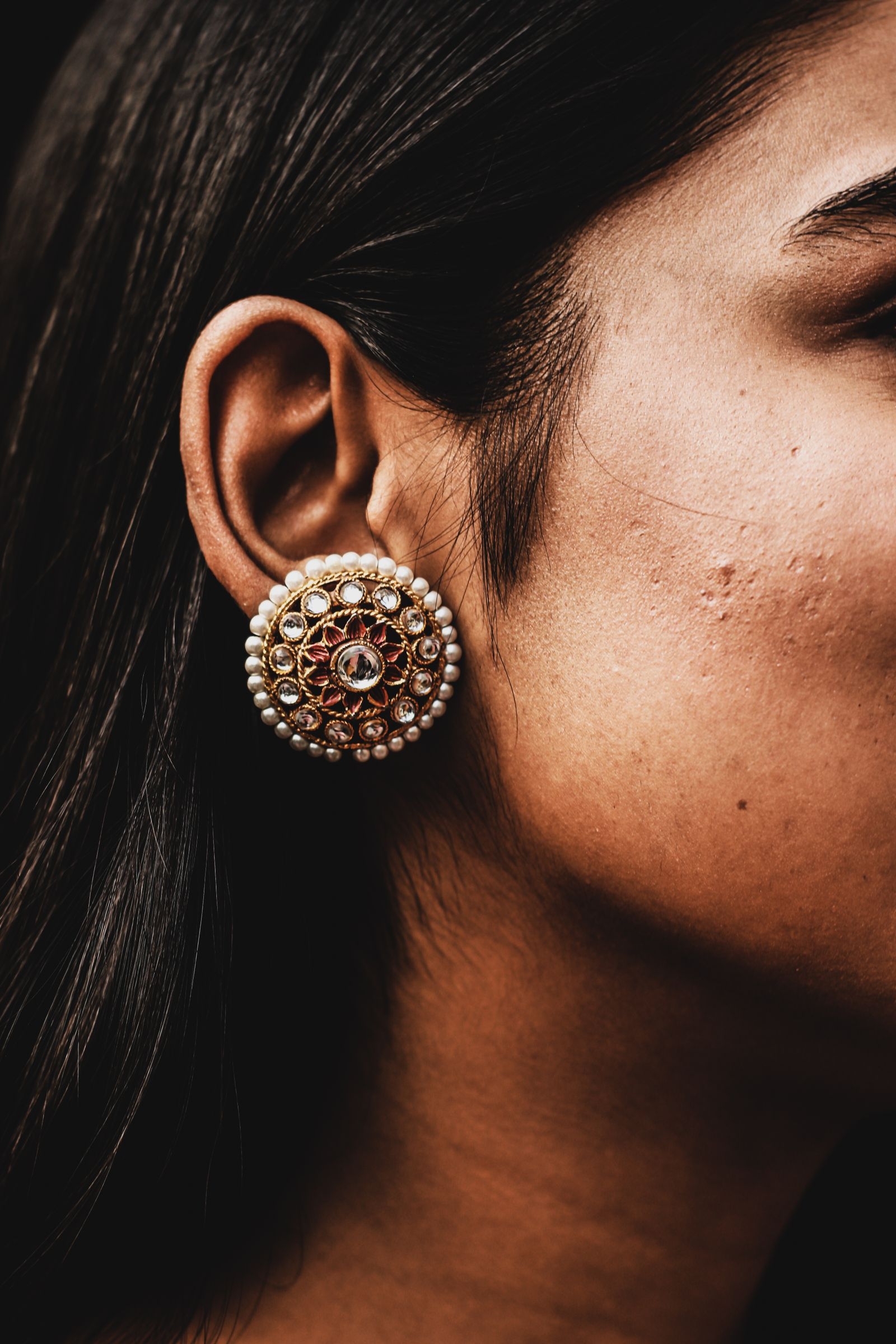
Ears that stick out are one of the most common reasons people, including children and teenagers, seek cosmetic surgery. Prominent ears can draw unwanted attention and affect confidence, even when the rest of the face is entirely typical. Otoplasty in Dubai is the surgical procedure that reshapes the ears and sets them closer to the head, and Dubai has become a common place to consider it, with a wide choice of clinics and surgeons experienced in both adult and children's cases.
This guide explains how otoplasty works, what it can and cannot change, what recovery involves for adults and for children, and how to choose a surgeon. It is written as general information, not medical advice, and any decision should follow a face-to-face consultation with a qualified surgeon.
How Otoplasty Works
Otoplasty, also called ear reshaping or ear pinning, changes the shape, size or position of the ears. The most common reason is prominent ears, where the ear sticks out because the fold inside it never formed fully or the bowl of the ear is deep. The surgeon reshapes the cartilage, creates or deepens the fold, and sets the ear closer to the head. The same operation can also reduce very large ears, correct asymmetry between the two ears, or repair ears that were injured or shaped differently from birth.
The first step is always a consultation and assessment. The surgeon examines both ears, looks at the cartilage, the fold and the angle at which each ear sits, and discusses what the patient hopes to change. For children, the surgeon will also talk with the parents about timing: the ear is usually near its adult size by about five or six years of age, and surgery is often considered before school if the child is unhappy about the ears. Photographs are usually taken so progress can be compared honestly over time. A realistic plan takes account of the patient's own anatomy: the two ears are rarely identical, and a good surgeon will explain what can and cannot be changed safely.
On the day of surgery, general anaesthesia is normally used for children, and local anaesthesia with sedation is often used for adults. The operation usually takes one to two hours. The surgeon works through an incision behind the ear, where it is hidden, reshapes the cartilage with fine stitches, and sets the ear in its new position. A soft dressing or headband is worn afterwards to protect the ears while they heal. Swelling and mild discomfort are common in the first week, and the shape continues to refine for several months as swelling settles — the final result is usually judged after about three months.
It is important to understand the limits. Otoplasty changes the ears, not the rest of the face, and healing varies from person to person. Cartilage has a memory and can try to spring back, so the surgeon must shape it carefully, and a small revision is sometimes needed. No provider can guarantee perfect symmetry, because no two ears are exactly alike to begin with. A reputable clinic will say this plainly before surgery, not after it.
Otoplasty for Children: Timing and Consent
For parents, the hardest question is usually timing. The ear reaches near its adult size by about five or six years of age, so surgery can be considered from that age, and many families choose to have it done before the child starts school, when teasing can begin. There is no single right age, however, and the decision should rest on the child as much as on the parents.
A good surgeon will want to meet the child, not only the parents, and will check that the child understands what the surgery involves and wants it for themselves. Surgery done mainly to please a parent, when the child is indifferent or afraid, rarely leads to a happy outcome. The surgeon should also explain that the ears will still grow a little after surgery, and that the result should be judged on the shape and position rather than on exact measurements.
Recovery for children is usually straightforward. The operation is normally done as a day case, the child goes home the same day, and a headband is worn for a week or two, especially at night, to protect the ears while they heal. Most children return to school after about a week, though contact sports should wait longer. Parents should be prepared for some swelling and tenderness in the first week, and for the fact that the ears may look slightly over-corrected at first before they settle into their final position.
What Recovery Involves for Adults
For adults, the operation is often done under local anaesthesia with sedation, and most people go home the same day. The ears feel tender and swollen in the first week, and a headband is usually worn to protect them, especially at night. Most adults return to desk work within a week, though they should avoid anything that knocks or pulls the ears for several weeks.
Swelling usually fades within two to three weeks, and the shape keeps refining for months, with the final result usually judged after about three months. The incision is made behind the ear, where it is hidden in the natural crease, and it usually fades and becomes difficult to notice over time. The surgeon should explain exactly where the incision will be before the operation.
It is worth planning the timing around work and social commitments. The headband is visible, and the ears may look swollen in the first week, so many adults prefer to schedule the surgery when they can take a week away from public-facing work. The surgeon should give clear written aftercare instructions, including how to wash the hair, when the dressing comes off, and what to do if the ear becomes more painful, red, or swollen after the first few days.
How to Choose a Surgeon for Otoplasty
Experience and Qualifications
The surgeon's experience matters more than the clinic's marketing. Ask how many otoplasty operations the surgeon performs each year, what training they have, and whether they are licensed to practise in Dubai. A surgeon who performs ear surgery regularly will be more familiar with the range of problems that can arise and how to handle them.
A Proper Assessment Before Surgery
A good clinic will not agree to operate after a brief chat. Expect a proper examination, photographs, a discussion of what is realistic, and time to think. Patients who would like a careful, personalised assessment before committing to surgery may consider a consultation at Enfield Royal Clinic Dubai, where otoplasty can be discussed alongside the full range of cosmetic surgery, with the plan shaped around the individual and procedure-specific aftercare. Be cautious of any provider that promises an exact result or pressures a quick decision, whichever clinic is chosen.
Range of Techniques
Some ears need the fold created, some need the bowl reduced, and some need both. The surgeon should explain which technique suits the patient's ears and why, rather than offering the same operation to everyone. For children, ask how the surgeon adapts the technique to a growing ear, and what the plan is if the ears need a small revision later.
Safety and Hygiene Standards
Ask about the operating facility, the anaesthesia team, and what happens if a complication occurs. A reputable clinic will answer these questions directly and will have clear arrangements for emergency care. For children, ask who will look after the child after the operation and how the clinic handles a worried parent's call in the first days.
Patient Experience and Follow-Up
Otoplasty recovery takes weeks, not days. Check how many review appointments are included, how the clinic handles concerns after surgery, and whether the surgeon or another doctor sees the patient at follow-up. Because the shape keeps refining for months, review appointments allow the team to check healing and advise on care while the ears settle.
Honest Expectations
A trustworthy provider will explain that swelling takes weeks to settle, that the final shape cannot be judged for up to three months, and that a small revision is sometimes needed. If a clinic promises perfect symmetry with no risks, that is a reason to look elsewhere. The best surgeons are the ones who are willing to say no, or to suggest waiting, when the timing or the goal is not right.
Frequently Asked Questions
What is otoplasty?
Otoplasty is surgery that reshapes the ears and sets them closer to the head. It is most often done for prominent ears, but it can also reduce large ears, correct asymmetry, or repair ears shaped differently from birth or by injury.
At what age can children have otoplasty?
The ear is usually near its adult size by about five or six years of age, and surgery is often considered from that age if the child is unhappy about the ears. The surgeon will discuss timing with the parents and check that the child understands and wants the surgery.
Is otoplasty painful?
Most patients describe discomfort rather than severe pain, and it is usually managed with prescribed pain relief for a few days. The ears may feel tender and swollen in the first week, and a headband is usually worn to protect them, especially at night.
How long does recovery take?
Swelling usually fades within two to three weeks, and most adults return to desk work within a week, while children usually return to school after about a week. Contact sports should wait longer, as the surgeon advises. The shape keeps refining for months, with the final result usually judged after about three months.
Will there be visible scars?
The incision is made behind the ear, where it is hidden in the natural crease, and it usually fades and becomes difficult to notice over time. The surgeon should explain exactly where the incision will be before the operation.
Conclusion
Otoplasty is a decision about confidence as much as appearance, and the choice of surgeon matters as much as the choice of clinic. The best approach is a careful consultation, a realistic discussion of what can be achieved, and a provider who is open about risks, recovery and follow-up. Patients who take time over that choice, compare a few options, and ask direct questions about experience and aftercare are more likely to be satisfied with the result — ears that sit naturally against the head and suit the rest of the face.
Patients comparing their options can read more about ear surgery before deciding.

 English
 French
 Spanish
 Portuguese
 Deutsch
 Turkish
 Dutch
 Italiano
 Russian
 Romaian
 Portuguese (Brazil)
 Greek
