


Transforming Ordinary Properties Into Beautiful Outdoor Spaces
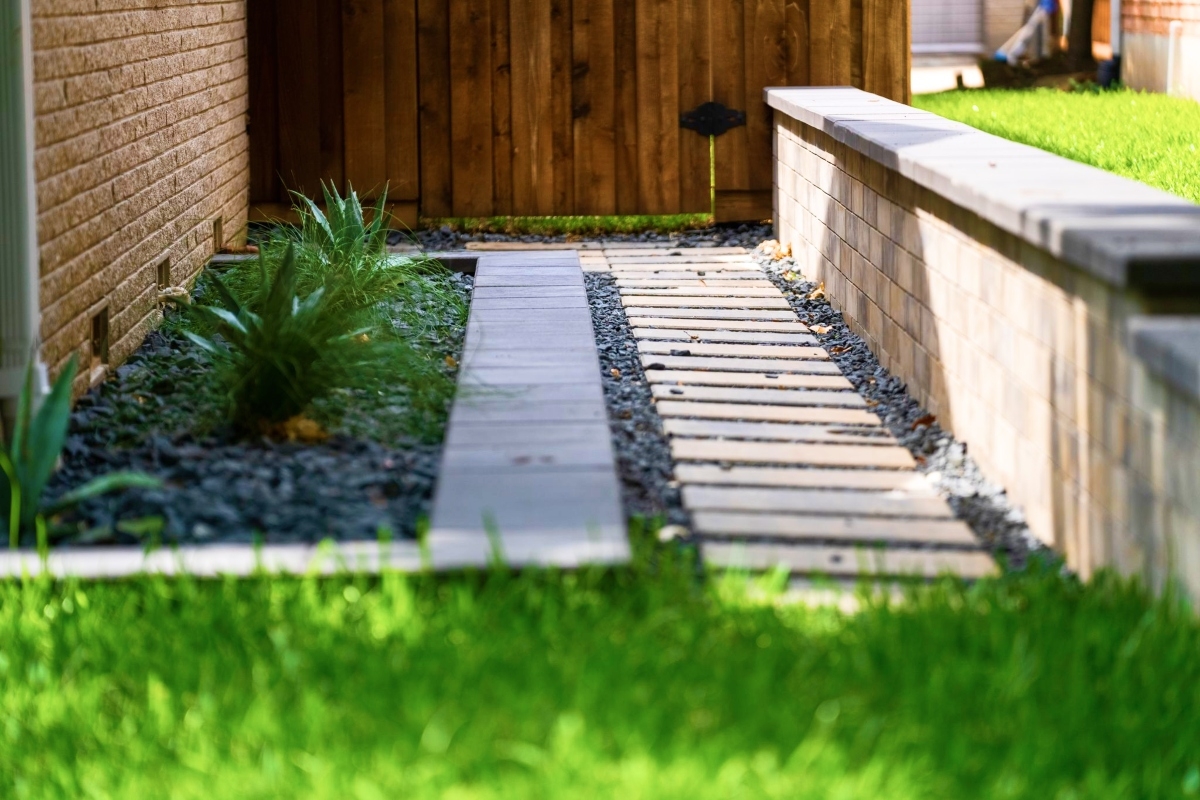
A well-designed outdoor space can change the way people enjoy their property. A simple backyard can become a comfortable place for family gatherings, while a commercial property's exterior can create a welcoming first impression for customers and visitors. With the right planning, landscaping can improve both the appearance and everyday function of an outdoor area.
Homeowners searching for outdoor living space designers in Dallas TX, often want more than attractive plants and a clean lawn. They want outdoor spaces that support their lifestyle, provide comfort, and make better use of available space. Similarly, businesses investing in commercial landscaping Garland TX, need outdoor environments that look professional and remain practical throughout the year.
Understanding the planning process, choosing suitable features, and maintaining the finished landscape can help property owners get lasting value from their investment.
Understanding the Purpose of Outdoor Design
Every successful landscape begins with a clear purpose. Before choosing plants or installing new features, property owners should consider how they want to use the space.
A homeowner may need an area for outdoor dining, a quiet place to relax, or an open lawn where children can play. A business owner may want an attractive entrance, organized planting beds, or clean outdoor areas that customers can access comfortably.
These different needs require different design approaches. A good landscape plan considers the property's size, existing conditions, daily use, and long term maintenance needs.
Balancing Beauty With Practical Use
An outdoor area should look appealing without becoming difficult to use. For example, a large patio may provide plenty of seating, but it should not block access to the garden or take up all the available yard space.
The same principle applies to commercial properties. Decorative plants should not obstruct walkways, signs, entrances, or parking areas. A balanced design allows people to move through the property easily while enjoying its appearance.
Creating a Backyard That Supports Your Lifestyle
A backyard can become an extension of the home when its layout is planned carefully. Instead of leaving the space unused, homeowners can create separate areas for relaxing, entertaining, dining, and enjoying nature.
Experienced outdoor living space designers in Dallas TX, can help homeowners identify the best ways to use their available space. The design should reflect how the household spends time outdoors rather than simply following popular trends.
Designing Comfortable Seating Areas
Seating is one of the most useful features of an outdoor living space. A patio with comfortable chairs or an outdoor sofa can provide a convenient place to relax after a busy day.
The location of the seating area matters. A shaded section may be more comfortable during warm afternoons, while a space near the garden can provide a pleasant view. Homeowners should also leave enough room for people to walk around furniture without feeling crowded.
Adding an Outdoor Dining Space
Outdoor dining areas make it easier to enjoy meals and gatherings in fresh air. A simple table and seating arrangement may be enough for a small backyard, while a larger property may have room for a more complete dining setup.
When planning this feature, consider how close it should be to the indoor kitchen. Easy access can make serving meals and cleaning up more convenient. The surface beneath the dining area should also be stable and suitable for outdoor furniture.
Including Features for Entertainment
Some homeowners want their backyards to become places where friends and family can gather. Depending on the available space, entertainment features may include a fire pit, outdoor kitchen, built in seating, or a covered gathering area.
Each feature should have a clear purpose. Adding too many elements can make a yard feel crowded and increase maintenance requirements. Choosing a few useful features often creates a more comfortable and organized result.
Choosing Materials That Suit the Property
Materials have a major influence on the appearance, comfort, and durability of an outdoor space. Patios, walkways, retaining walls, and seating areas should all fit the property's style and intended use.
Comparing Common Patio Materials
Concrete pavers offer different shapes, colors, and patterns, making them suitable for many outdoor designs. Natural stone can provide a distinctive appearance, while poured concrete may work well for homeowners who prefer a simpler surface.
The right option depends on the budget, expected use, maintenance needs, and surrounding landscape. Property owners should also consider how the surface handles regular foot traffic and changing weather conditions.
Creating Natural Connections Between Features
A landscape looks more organized when its different features work together. For example, a walkway can connect the patio to a garden, while planting beds can soften the edges of hard surfaces.
Using compatible materials and colors helps create a consistent appearance. This does not mean every feature must look identical. Instead, the design should have a natural flow from one area to another.
Why Plant Selection Matters
Plants bring color, texture, and natural beauty to outdoor environments. However, choosing plants based only on appearance can create problems later.
Local growing conditions should guide plant selection. Sun exposure, soil type, water availability, and the amount of space available all influence how well plants will grow.
Choosing Plants for Long Term Growth
Trees, shrubs, grasses, and flowering plants each serve different purposes. Trees can provide shade and improve privacy, while shrubs can define planting beds and create structure. Flowering plants add seasonal color and help make outdoor areas more inviting.
Property owners should also consider the mature size of each plant. Placing a large tree too close to a building or walkway may create future maintenance concerns.
Making Watering More Efficient
Water management is another important part of landscape planning. Plants with similar watering needs can often be grouped together, making irrigation easier to manage.
An efficient irrigation system can help deliver water where it is needed while reducing unnecessary use. Regular inspections are important because damaged sprinkler heads, leaks, and incorrect settings can waste water.
Improving the Appearance of Commercial Properties
A commercial property's landscape contributes to how customers and visitors view the business. A clean, organized exterior can make the property feel more professional and welcoming.
Businesses considering commercial landscaping Garland TX, should think about how their outdoor spaces affect daily operations. The landscape should support customer access, employee movement, property safety, and the overall appearance of the building.
Designing an Attractive Business Entrance
The entrance is often the first area visitors notice. Healthy plants, clean walkways, neat lawn edges, and well-maintained planting beds can create a positive impression.
The design should also keep entrances visible and easy to access. Plants should not block signs, doors, lighting, or pedestrian paths. A simple and organized entrance can be more effective than an overcrowded landscape.
Making Parking Areas Look Better
Parking areas are an important part of many commercial properties. Although they are mainly designed for vehicles, their surroundings still affect the overall appearance of the site.
Planting beds, small trees, and maintained lawn sections can soften large paved areas. These features should be positioned carefully to avoid blocking visibility or interfering with vehicle movement.
Creating Comfortable Shared Outdoor Areas
Some businesses have outdoor spaces where employees, customers, or visitors can spend time. These areas may include seating, shaded sections, and attractive planting features.
A comfortable shared space can make a property more enjoyable. However, it should remain easy to access, clean, and maintain. The design should reflect how frequently the area is used and who needs to use it.
Essential Steps for Maintaining a Healthy Landscape
Landscape installation is only the beginning. Regular care helps preserve the appearance and condition of outdoor areas. Without maintenance, even a well-planned landscape can quickly become untidy.
A consistent maintenance routine may include:
-
Mowing lawns and trimming edges to maintain a neat appearance.
-
Pruning shrubs and trees to support healthy growth and clear access.
-
Removing weeds, fallen leaves, and unwanted debris from planting beds.
-
Inspecting irrigation systems for leaks, damaged parts, and uneven watering.
-
Replacing unhealthy plants and adding seasonal flowers when appropriate.
-
Cleaning walkways and outdoor surfaces to keep them presentable.
Maintenance requirements depend on the size and features of the property. A residential backyard may need a different schedule from a large commercial site.
Avoiding Common Landscaping Mistakes
Some landscaping problems begin when property owners rush into installation without considering the entire space. A clear plan can help prevent unnecessary expenses and disappointing results.
One common mistake is choosing plants that need more sunlight or water than the property can provide. Another is installing patios or walkways without considering drainage. Poor drainage can lead to standing water, surface damage, and problems near building foundations.
Overcrowding is another concern. Installing too many decorative features can reduce usable space and make maintenance harder. Property owners should focus on the features that provide the most practical value.
Planning a Landscape Project With Confidence
Before starting a project, take time to review the property's current condition and identify the improvements that matter most. Consider the available budget, preferred materials, maintenance expectations, and how the space will be used.
It is also helpful to discuss the project with an experienced landscaping professional. A professional can assess the site, explain suitable options, and help organize the work into manageable stages.
Clear communication is important throughout the process. Property owners should understand the proposed layout, materials, project schedule, and expected maintenance requirements before work begins.
Conclusion
A successful landscape brings together attractive design, practical features, suitable materials, and regular care. Homeowners can create more enjoyable backyards by planning comfortable seating, dining, and entertainment areas. Businesses can improve their properties with clean entrances, organized green spaces, and consistent landscape maintenance.
Whether you are exploring outdoor living space designers in Dallas TX, or looking for commercial landscaping Garland TX, careful planning can help you make better decisions for your property. Prestige Landscape can help property owners improve their outdoor environments with thoughtful landscape design and professional services that support beauty, function, and lasting value.

 English
 Arabic
 French
 Spanish
 Portuguese
 Deutsch
 Dutch
 Italiano
 Russian
 Romaian
 Portuguese (Brazil)
 Greek
