


Edgewood Water Heater Repair: Practical Ways to Prevent Hot Water Problems
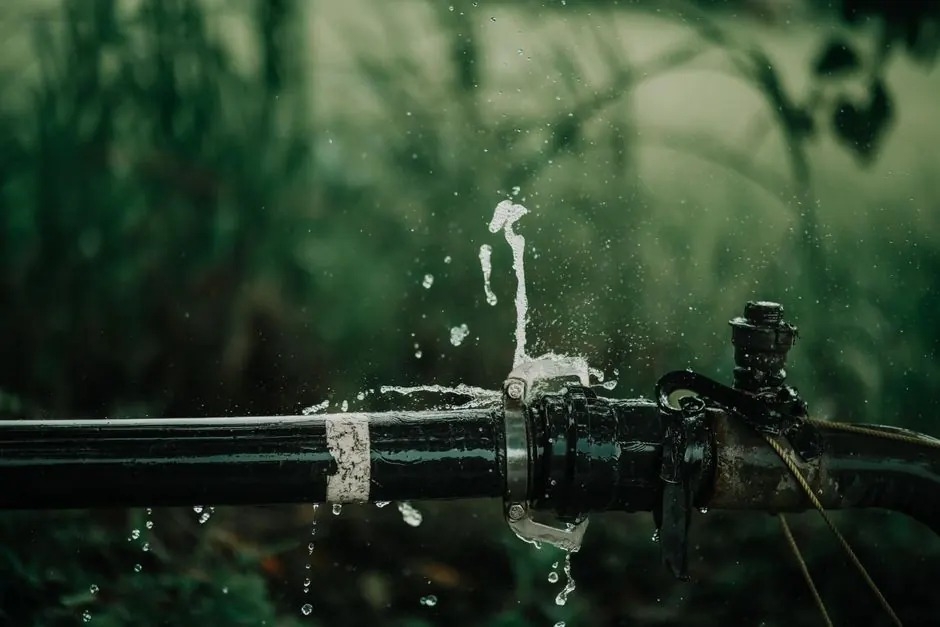
A reliable water heater makes everyday household tasks easier, from taking a comfortable shower to washing dishes and doing laundry. When the system starts producing inconsistent temperatures, making unusual noises, or leaking around the tank, even a small issue can quickly become frustrating. Knowing when to arrange professional edgewood water heater repair can help homeowners address problems early and avoid unnecessary disruption.
Water heaters work behind the scenes, so it is easy to overlook their condition until something goes wrong. However, paying attention to warning signs and keeping up with basic maintenance can make a meaningful difference in performance and reliability.
Why Water Heater Performance Matters
Hot water is part of many daily routines. A properly functioning system supplies the temperature needed for bathing, cleaning, and other household activities. When the heater struggles, the problem may affect more than comfort.
For example, a unit that takes too long to heat water can interrupt morning routines. A system that produces inconsistent temperatures may make showers uncomfortable, while a leaking tank can create moisture problems around the installation area.
Addressing these concerns promptly helps restore normal operation and reduces the risk of additional damage. It also gives a technician an opportunity to identify the underlying cause rather than simply treating the visible symptom.
Common Signs Your Water Heater Needs Attention
Water heaters often show signs of trouble before they stop working completely. Recognizing these changes can help you decide when to schedule an inspection.
1. Water Is Not Getting Hot Enough
If the water never reaches the temperature you expect, the heating system may not be operating correctly. Possible causes include a faulty thermostat, a damaged heating element, sediment accumulation, or a problem with the gas burner.
The right solution depends on the type of water heater and the condition of its components. A professional inspection can determine whether a repair or replacement part is needed.
2. Hot Water Runs Out Too Quickly
A water heater that previously supplied enough hot water for the household may begin running out sooner than usual. This can happen when sediment reduces the tank's usable capacity or when a heating component becomes less effective.
Changes in household water usage can also contribute. If several people are using hot water close together, the system may need more recovery time. A technician can help determine whether the problem comes from normal demand or a mechanical issue.
3. Strange Sounds Coming From the Tank
Popping, rumbling, or banging sounds may indicate sediment buildup at the bottom of a storage tank. As water heats beneath the accumulated material, trapped pockets of steam can create noise.
These sounds should not be ignored, especially when they become more frequent. Sediment can reduce heating efficiency and place additional stress on the appliance.
4. Water Appears Around the Heater
Moisture near the base of a water heater may come from a loose connection, a leaking valve, condensation, or a damaged tank. The source matters because each issue requires a different response.
A leak from a connection may be repairable, while corrosion or a structural tank failure may require replacement. If water is actively leaking, avoid touching electrical components and arrange professional assistance.
5. Unusual Water Temperature Changes
Water that suddenly becomes extremely hot or alternates between hot and cold may point to thermostat, heating element, or control problems. Incorrect temperature settings can also contribute.
Do not keep adjusting the controls without understanding the cause. Excessively hot water can create a scalding risk, particularly for children and older adults.
What Causes Water Heater Problems?
Several factors can affect a water heater's performance over time. Understanding them makes it easier to recognize why routine inspections are useful.
Sediment and mineral deposits: Minerals naturally present in water can settle inside storage tanks. Over time, this material may reduce efficiency, create noise, and interfere with heat transfer.
Aging components: Heating elements, thermostats, valves, burners, and other parts experience wear. A component that no longer works correctly can prevent the system from heating water consistently.
Corrosion: Metal parts can deteriorate as a water heater ages. Corrosion around fittings or the tank itself may lead to leaks and reduced reliability.
Incorrect settings: A thermostat set too low may produce insufficiently warm water. A setting that is too high can increase energy use and create a safety concern.
Lack of maintenance: When a water heater goes years without inspection, minor issues may remain unnoticed until they become more expensive to address.
Professional Diagnosis Makes a Difference
Water heater problems can have similar symptoms but very different causes. For example, insufficient hot water could result from a faulty thermostat, sediment buildup, an undersized system, or a damaged heating element.
A qualified technician can inspect the appliance, check its connections, evaluate its controls, and test relevant components. For gas units, the inspection may also involve the burner, ignition system, and ventilation arrangements. Electric models require attention to their heating elements, electrical connections, and safety controls.
Accurate diagnosis helps prevent unnecessary part replacements. Instead of guessing which component has failed, the technician can recommend a repair based on the actual condition of the system.
Homeowners should avoid opening electrical compartments, adjusting gas controls, or attempting repairs that require specialist knowledge. These tasks can create safety risks if handled incorrectly.
Repair or Replace: Which Option Makes Sense?
Not every water heater problem means the appliance needs to be replaced. In many cases, a faulty thermostat, heating element, valve, or connection can be repaired.
However, replacement may be the more practical choice when the tank has developed significant corrosion, the unit leaks from its main body, or repeated breakdowns make continued repairs expensive.
Consider these factors when evaluating your options:
- Age of the unit: Older systems may be closer to the end of their expected service life.
- Repair costs: Compare the estimated repair expense with the cost of installing a suitable replacement.
- Frequency of breakdowns: Repeated problems may indicate that the system is becoming unreliable.
- Energy performance: An older, inefficient heater may cost more to operate.
- Household requirements: A replacement should provide enough hot water for the property's daily needs.
A professional can explain the condition of the existing appliance and help you compare the practical benefits of repair and replacement.
Simple Maintenance Habits That Help
Regular maintenance can support reliable operation and help identify developing problems. Although some tasks require professional attention, homeowners can take a few simple steps.
Check for Visible Leaks
Occasionally inspect the area around the heater, including visible pipes and connections. Look for water stains, damp flooring, rust, or mineral deposits. These signs may indicate a developing leak.
Keep the Area Clear
Avoid storing boxes, cleaning products, or other household items directly against the water heater. Keeping the surrounding area clear allows proper access for inspection and helps maintain a safer installation space.
Pay Attention to Performance Changes
Notice whether the water takes longer to heat, runs out sooner, or changes temperature unexpectedly. Recording when these problems occur can help a technician diagnose the issue.
Schedule Periodic Inspections
A professional inspection can identify worn parts, sediment concerns, and potential safety issues. Depending on the appliance and local water conditions, a technician may also recommend flushing a storage tank or checking its anode rod.
Review Temperature Settings
Follow the manufacturer's recommendations for thermostat settings. Avoid setting the temperature excessively high, as this can increase energy consumption and the risk of burns.
Choosing a Water Heater Repair Professional in Edgewood
When your water heater develops a problem, choosing a qualified repair professional is important. Look for someone with experience working on your particular system, whether it is a traditional tank model or a tankless unit.
Ask about the inspection process, the proposed repair, and any parts that may need replacement. A reliable professional should explain the problem in understandable language and provide a clear estimate before starting the work.
It is also useful to ask whether the repair includes checking related components. Replacing one faulty part without investigating the reason it failed may leave the underlying problem unresolved.
Good communication helps homeowners understand what needs attention now and what maintenance may be appropriate later.
Keep Your Home's Hot Water Reliable
A water heater rarely stops working without giving some indication that something is wrong. Strange noises, temperature fluctuations, leaks, and reduced hot water supply are all reasons to pay closer attention. Acting early can help prevent a minor fault from developing into a larger household problem.
Whether your system needs a small component repair, a detailed inspection, or a replacement recommendation, professional edgewood water heater repair can help you understand the cause of the issue and choose a suitable solution. With timely attention and sensible maintenance, homeowners can keep their hot water systems operating more reliably throughout the year.
Visit now: https://waterheaterrepairpuyallup.com/water-heater-repair-edgewood

 English
 Arabic
 French
 Spanish
 Deutsch
 Turkish
 Dutch
 Italiano
 Russian
 Romaian
 Portuguese (Brazil)
 Greek
