


What Is a Laser Beam Welder and How Is It Used in Modern Metal Fabrication
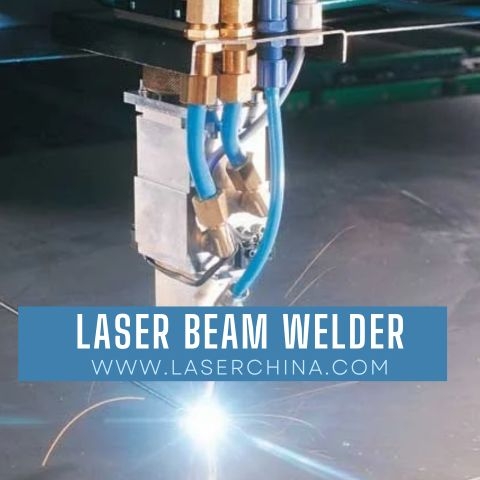
Metal fabrication industries are continuously adopting advanced technologies to improve production processes and achieve accurate results. Laser welding has become an important method for joining different metal components in manufacturing, automotive production, construction, and engineering. A laser beam welder uses a concentrated beam of light to generate heat and create strong welds between metal surfaces. This technology supports precise joining and helps manufacturers handle a wide range of fabrication requirements.
Understanding Laser Beam Welding Technology
Laser beam welding is a process that uses focused laser energy to melt and join materials. The laser beam is directed toward a specific area, where its energy creates sufficient heat to form a weld pool. As the melted material cools, it creates a solid connection between the metal pieces.
This process can be used with several metals, including stainless steel, carbon steel, aluminum, and other industrial alloys. The welding parameters depend on the material thickness, joint design, required penetration, and production requirements.
Modern laser welding equipment is available in different configurations, including handheld systems and automated industrial machines. Manufacturers can select suitable equipment according to their production volume and application needs.
Applications Across Different Industries
Laser welding technology is used in various industrial sectors because many manufacturing processes require accurate and consistent metal joining.
In the automotive industry, it is used to join vehicle body components, metal frames, battery enclosures, and other parts. Electronics manufacturers use laser welding for small metal components that require controlled heat application. In metal fabrication workshops, the technology supports the production of cabinets, enclosures, machinery parts, and customized metal products.
It is also used in medical equipment manufacturing, aerospace component production, and industrial machinery assembly. Each application requires specific welding parameters to achieve the desired joint quality.
Choosing the Right Laser Welding Equipment
Selecting appropriate welding equipment requires an understanding of the materials and production environment. Before purchasing a laser beam welder, manufacturers should evaluate the type of metals they regularly process, their thickness, and the required welding speed.
Laser power is another important consideration. Different materials and thicknesses require different power levels and operating settings. Businesses should also consider the available workspace, cooling arrangements, control systems, and compatibility with their existing production equipment.
For smaller workshops, handheld equipment may be suitable for flexible fabrication tasks. Large manufacturing facilities may prefer automated systems that can be integrated into production lines.
Operating Procedures and Workplace Safety
Proper operation is essential for achieving reliable welding results. Operators should receive appropriate training before using laser welding equipment. Material surfaces should be cleaned before welding to remove rust, oil, dust, and other contaminants that could affect the welding process.
Laser safety is particularly important because direct or reflected laser radiation can cause serious eye and skin injuries. Suitable laser protective eyewear, machine enclosures, warning signs, and controlled working areas should be used according to the equipment's safety classification.
Manufacturers should also follow the equipment supplier's operating instructions and maintain the machine regularly. Checking protective systems, cooling components, optical parts, and electrical connections helps maintain consistent operation.
The Growing Role of Laser Welding in Manufacturing
Manufacturing requirements continue to evolve as industries demand accurate production methods and improved process control. Laser welding technology is becoming increasingly relevant for businesses working with different metal materials and complex product designs.
A modern laser beam welder can be incorporated into various production environments, depending on the required welding applications. With suitable equipment selection, operator training, and process settings, manufacturers can develop efficient welding workflows for both customized fabrication and larger production operations.
Final Thoughts
Laser welding has established an important position in modern metal fabrication by providing a controlled method of joining metal components. From automotive manufacturing to electronics and industrial engineering, its applications continue to expand. Businesses considering a laser beam welder should carefully evaluate their material requirements, production goals, equipment specifications, and workplace safety arrangements before making an investment. Choosing the right system and maintaining proper operating procedures can support reliable welding results over time.

 Arabic
 French
 Spanish
 Portuguese
 Deutsch
 Turkish
 Dutch
 Italiano
 Russian
 Romaian
 Portuguese (Brazil)
 Greek
