


Vancouver Home Automation: A Complete Guide to Smart Home Technology, Features, and Modern Living
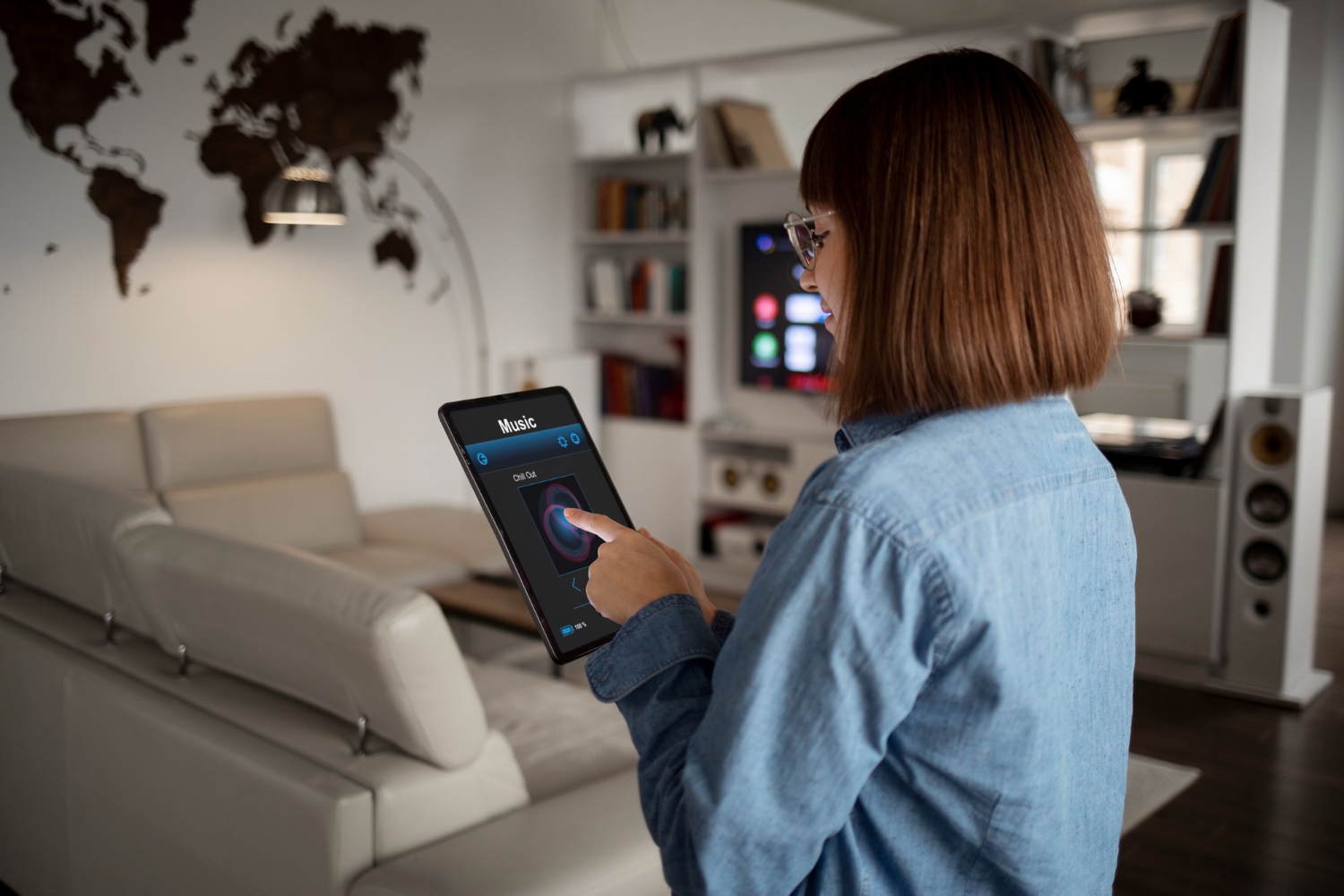
Technology is changing how people manage and interact with their living spaces. Modern residential properties increasingly incorporate connected devices that help control lighting, heating, security, entertainment, and other household functions. Vancouver Home Automation is a relevant topic for homeowners and property developers interested in understanding how smart technology can improve residential convenience and efficiency.
In Vancouver, British Columbia, home automation is becoming an important consideration in modern housing design. The city's residential landscape includes detached houses, condominiums, townhouses, and newly developed properties, each with different technology requirements. Smart home systems allow residents to manage selected household functions through smartphones, tablets, voice commands, and automated schedules.
Understanding the features, applications, installation requirements, and limitations of home automation helps residents make informed decisions about connected residential technology.
1. What Is Vancouver Home Automation?
Vancouver Home Automation refers to the use of connected technologies to monitor and control household devices and residential systems. These technologies allow residents to manage different functions through a centralized platform or compatible applications.
A smart home may include several connected devices that communicate through a wireless network or automation hub.
Common examples include:
- Smart lighting systems.
- Automated heating and cooling controls.
- Connected security cameras.
- Smart door locks.
- Video doorbells.
- Automated blinds and curtains.
- Smart electrical outlets.
- Connected entertainment systems.
Depending on device compatibility, these systems can operate independently or work together through an integrated home automation platform.
2. Why Home Automation Is Relevant in Vancouver
Vancouver has a diverse housing environment, with residential properties ranging from compact condominiums to large detached homes. Different property types influence the selection and installation of smart home technology.
The city's climate is another important consideration. Vancouver experiences wet winters, moderate temperatures, and relatively warm summers. Smart heating and climate control systems can help residents manage indoor comfort throughout seasonal changes.
Homeowners may also consider automation for convenience, household security, energy monitoring, and remote access to selected devices.
For condominium residents, smaller smart home systems can provide useful controls without requiring extensive structural modifications. Detached homes may offer additional opportunities for integrating outdoor lighting, security cameras, and automated access systems.
3. Smart Lighting and Automated Controls
Smart lighting is one of the most commonly used features of residential automation. It allows residents to control lighting through mobile applications, connected switches, sensors, or voice commands.
Several functions are available in modern lighting systems.
Remote Access: Residents can switch lights on or off through connected devices, even when they are away from home.
Scheduled Lighting: Lights can operate according to predetermined daily schedules.
Motion Detection: Sensors can activate lighting when movement is detected in selected areas.
Brightness Adjustment: Compatible lighting devices allow users to adjust brightness levels.
Energy Management: Automated schedules can help reduce unnecessary electricity consumption.
These features can be used in living rooms, bedrooms, kitchens, hallways, and outdoor areas.
4. Smart Climate Control and Temperature Management
Climate control is another important part of Vancouver Home Automation. Smart thermostats and connected heating systems allow residents to monitor indoor temperatures and adjust settings remotely.
These systems may include programmable schedules, temperature monitoring, and occupancy-based adjustments.
During colder months, automated heating schedules can help maintain comfortable indoor temperatures. In warmer weather, compatible cooling systems can be managed through similar controls.
However, equipment compatibility is essential. Vancouver properties may use different heating arrangements, including electric baseboard heaters, furnaces, and heat pumps. Not every smart thermostat works with every heating system.
Residents should review equipment specifications before selecting connected climate controls.
5. Smart Security and Residential Monitoring
Residential security is an important consideration for homeowners. Connected security devices provide different ways to monitor property access and receive notifications about selected activities.
Common smart security features include:
- Connected surveillance cameras.
- Smart door locks.
- Video doorbells.
- Motion sensors.
- Window and door contact sensors.
- Remote access notifications.
Smart locks can allow authorized users to manage entry through digital access controls. Video doorbells provide information about visitors, while connected cameras can support remote monitoring.
However, smart security systems require responsible configuration. Strong passwords, secure wireless networks, software updates, and appropriate privacy settings help protect connected devices.
6. Energy Efficiency and Smart Home Technology
Energy efficiency is an important consideration for Canadian households. Home automation systems can provide information about electricity consumption and help manage certain household devices.
Smart plugs, energy monitoring equipment, automated lighting, and programmable thermostats are examples of technologies that support household energy management.
Some systems allow residents to create schedules for appliances and lighting, reducing unnecessary operation.
In Vancouver, these technologies may complement other energy-efficient residential features, including insulation, efficient windows, and modern heating equipment.
Actual energy savings depend on household habits, equipment performance, property characteristics, and the configuration of the automation system.
7. Planning a Home Automation System in Vancouver
Successful home automation begins with identifying household requirements and understanding the property's existing infrastructure.
Before installing connected devices, residents should consider several factors:
- Property Layout: The size and design of a property influence device placement and network coverage.
- Device Compatibility: Selected devices should work with the intended automation platform.
- Internet Connectivity: A reliable wireless network supports communication between connected systems.
- Electrical Requirements: Certain installations may require qualified electrical professionals.
- Privacy Protection: Secure passwords and updated software help protect personal information.
- Future Expansion: Flexible systems make it easier to introduce additional compatible devices.
Condominium residents should also review building regulations before modifying shared systems or installing exterior equipment.
8. Challenges Associated With Home Automation
Despite its practical applications, home automation has certain limitations.
One common challenge is device compatibility. Products from different manufacturers may use different communication standards, which can affect how they work together.
Internet connectivity is another consideration because some remote control functions depend on a stable network connection.
Privacy and cybersecurity also require attention. Connected cameras, microphones, locks, and other devices may collect or process personal information. Residents should understand device permissions and review privacy settings regularly.
Installation costs can vary according to property size, system complexity, equipment selection, and electrical requirements. Regular maintenance and software updates may also be necessary.
A gradual approach to automation can help residents understand individual devices before introducing more complex connected systems.
Conclusion
Vancouver Home Automation reflects the growing use of connected technology in modern residential properties across British Columbia. Smart lighting, automated climate controls, security devices, and energy monitoring systems provide different ways to manage household functions.
For Vancouver residents, selecting appropriate automation technology requires consideration of property layout, local climate, internet connectivity, device compatibility, privacy, and installation requirements. Understanding these factors helps homeowners evaluate smart home solutions according to their household needs. Proper planning and responsible device management can support convenient, efficient, and organized residential environments.

 English
 Arabic
 French
 Spanish
 Portuguese
 Deutsch
 Turkish
 Dutch
 Italiano
 Russian
 Portuguese (Brazil)
 Greek
