


ACL Tear Staten Island: Symptoms and Treatment Options
ACL Tear Staten Island: Understanding Knee Injuries and Treatment Options
The knee plays an important role in walking, running, jumping, and other everyday movements. However, sudden twisting movements, sports injuries, and unexpected falls can damage the structures that support the knee. An ACL tear Staten Island patients may experience can affect knee stability and make regular activities challenging.
Understanding the causes, symptoms, and available treatment approaches can help individuals make informed decisions about their knee health.
What Is an ACL Tear?
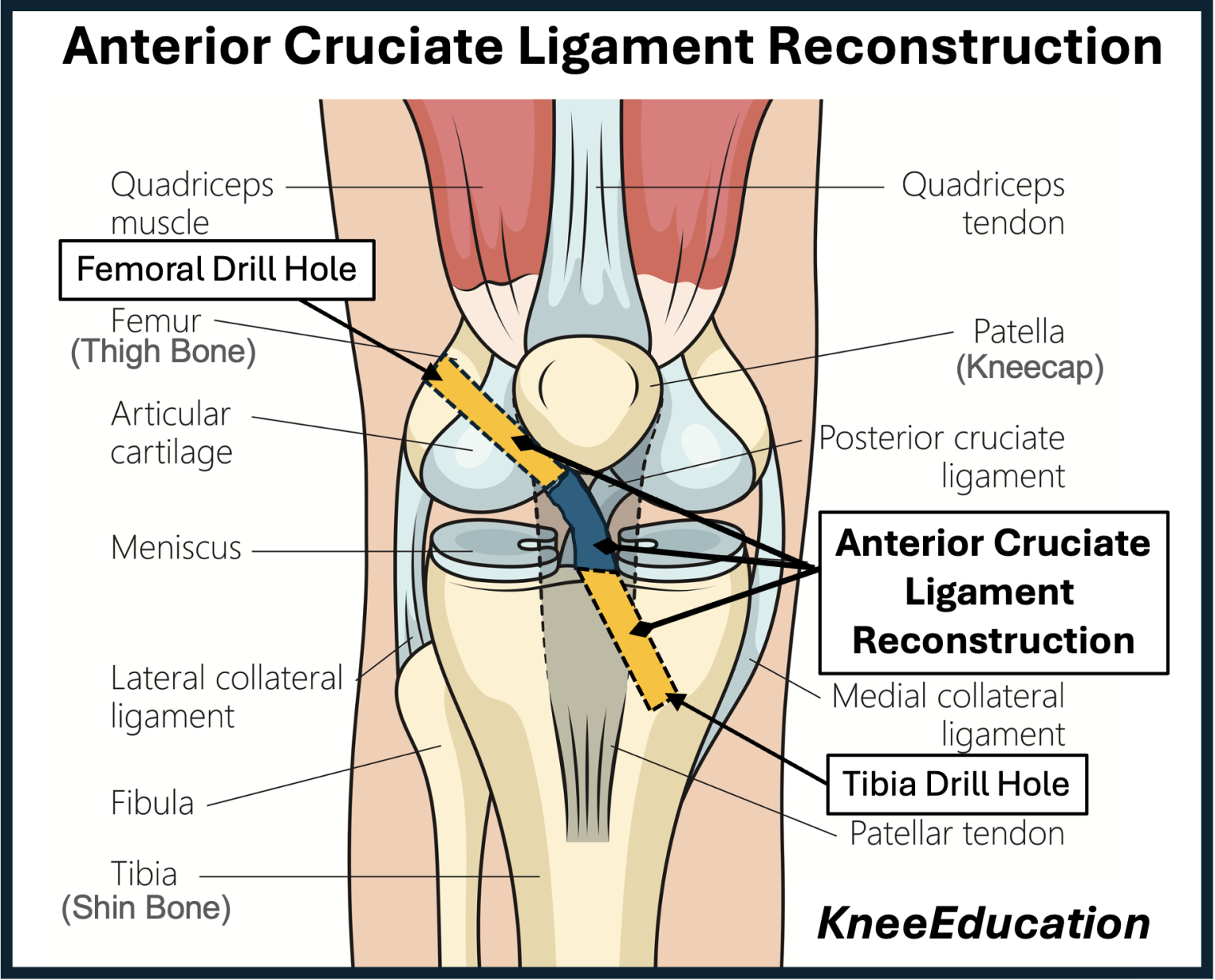
The anterior cruciate ligament (ACL) is one of the major ligaments inside the knee. It helps control the movement of the shinbone and provides stability during activities that involve turning, jumping, and changing direction.
An ACL tear occurs when this ligament becomes partially or completely damaged. These injuries are common in sports that involve sudden stops, rapid direction changes, and jumping.
Common Causes of ACL Tears
ACL injuries can happen during sports or everyday activities. Some common causes include:
-
Sudden changes in direction while running.
-
Landing awkwardly after jumping.
-
Quickly stopping while moving at high speed.
-
Twisting the knee while the foot remains planted.
-
Direct contact or collision during sports.
-
Accidental falls or other traumatic injuries.
Not every ACL injury happens during athletic activity. Everyday accidents can also affect knee stability.
Symptoms of an ACL Tear
Symptoms can vary depending on the severity of the injury and whether other knee structures are affected.
Common signs include:
1. A Popping Sensation: Some people hear or feel a pop when the injury occurs.
2. Knee Swelling: Swelling may develop within the first few hours after the injury.
3. Pain and Discomfort: Pain can make walking, bending, or putting weight on the affected leg difficult.
4. Knee Instability: The knee may feel weak or give way during movement.
5. Limited Range of Motion: Bending or straightening the knee may become difficult.
Anyone experiencing significant knee pain, swelling, or instability after an injury should seek medical evaluation.
How Is an ACL Tear Diagnosed?
A healthcare professional generally begins with a physical examination and reviews the patient's injury history and symptoms.
Diagnostic approaches may include:
-
Physical examination: Tests such as the Lachman test help assess knee ligament stability.
-
MRI scan: Helps evaluate the ACL and identify possible damage to other structures, including menisci and cartilage.
-
X-rays: May be recommended to check for associated bone injuries.
An accurate diagnosis helps determine the most appropriate treatment approach.
Treatment Options for an ACL Tear
Treatment depends on the severity of the injury, activity level, knee stability, and individual goals.
1. Non-Surgical Treatment
Some patients may benefit from a non-surgical approach involving physical therapy, activity modification, rehabilitation exercises, and supportive braces when appropriate.
2. Physical Therapy
Rehabilitation focuses on improving knee movement, strengthening surrounding muscles, and restoring balance and stability.
3. ACL Reconstruction Surgery
For certain complete tears, particularly when the knee remains unstable or the patient wants to return to demanding activities, ACL reconstruction may be recommended. The procedure generally involves replacing the damaged ligament with a tissue graft.
A qualified orthopedic specialist can help determine whether surgery is appropriate.
Why Is Rehabilitation Important?
Recovery from an ACL injury requires patience and a structured approach. Rehabilitation helps restore strength, flexibility, coordination, and confidence in knee movement.
Returning to sports or strenuous activities too early may increase the risk of further injury. Patients should follow their healthcare professional's guidance and meet appropriate recovery milestones before resuming demanding activities.
Conclusion
An ACL injury can affect knee stability and everyday mobility, but understanding the condition is an important first step toward recovery. If you are researching ACL tear Staten Island treatment options, consider consulting a qualified orthopedic professional for an accurate diagnosis and an individualized treatment plan. Early evaluation and appropriate rehabilitation can help support better long-term knee function.
FAQs
1. Can an ACL tear heal without surgery?
Some ACL injuries can be managed without surgery, depending on their severity, knee stability, and the patient's activity requirements.
2. What are the most common symptoms of an ACL tear?
Common symptoms include a popping sensation, swelling, knee pain, instability, and difficulty moving the knee.
3. How long does ACL recovery take?
Recovery varies depending on injury severity and treatment. After ACL reconstruction, returning to sports often takes around 9–12 months or longer, depending on individual progress and medical clearance.

 Arabic
 French
 Spanish
 Portuguese
 Deutsch
 Turkish
 Dutch
 Italiano
 Russian
 Romaian
 Portuguese (Brazil)
 Greek
