


Indoor Cycling Trainer: A Practical Guide to Indoor Cycling in South Africa
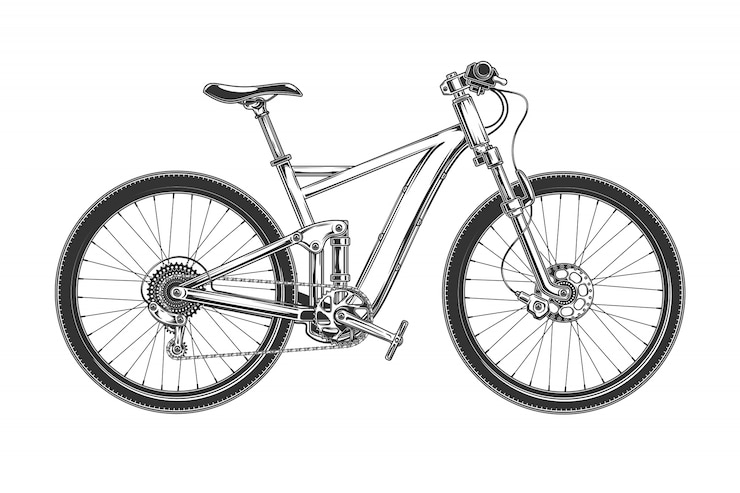
Indoor cycling has become an increasingly recognised form of exercise for people who want to maintain an active lifestyle throughout the year. In South Africa, where weather conditions, busy schedules, and varying road environments can influence outdoor cycling routines, indoor cycling provides an alternative way to stay consistent with training. An indoor cycling trainer allows cyclists to use their existing bicycles indoors, creating an opportunity to practise cycling without depending on outdoor conditions.
Whether used by beginners, recreational cyclists, or experienced riders, an indoor cycling trainer can support structured exercise and help develop cycling skills. Understanding how these trainers work, their different types, and the factors that influence their use can help individuals make informed decisions.
What Is an Indoor Cycling Trainer?
An indoor cycling trainer is a piece of exercise equipment designed to allow a regular bicycle to be used indoors. It generally connects to the bicycle's rear wheel or supports the bicycle directly, creating resistance that simulates the experience of riding on a road.
These trainers allow cyclists to pedal while remaining stationary. Resistance levels may be adjusted depending on the equipment, allowing different training intensities. Some models also include digital features that measure speed, distance, cadence, and other cycling-related information.
For South African cyclists, an indoor cycling trainer can provide a practical way to continue cycling activities when outdoor riding is inconvenient.
Different Types of Indoor Cycling Trainers
Indoor cycling trainers are available in several designs, each offering different features and operating methods.
1. Wheel-On Trainers
Wheel-on trainers hold the bicycle in place while its rear tyre makes contact with a resistance roller. As the cyclist pedals, the roller creates resistance.
These trainers are commonly recognised for their straightforward setup. However, tyre pressure, tyre condition, and roller adjustment can influence performance and noise levels.
2. Direct-Drive Trainers
Direct-drive trainers require the bicycle's rear wheel to be removed before the bicycle is connected to the trainer. The bicycle's chain transfers movement directly to the trainer's mechanism.
This arrangement can provide a stable riding experience and reduce tyre-related wear. Compatibility with bicycle components and installation requirements are important considerations.
3. Smart Indoor Cycling Trainers
Smart indoor cycling trainers include electronic features that can communicate with compatible applications and cycling devices. Depending on the model, they may automatically adjust resistance according to a selected training programme.
These trainers can provide information about cycling performance and allow users to follow structured indoor sessions.
4. Rollers
Indoor cycling rollers consist of rotating cylinders on which the bicycle's wheels move. Unlike some other trainer types, rollers generally require cyclists to maintain their balance while pedalling.
They can be useful for developing balance, coordination, and smooth pedalling techniques.
Benefits of Using an Indoor Cycling Trainer
An indoor cycling trainer offers several practical benefits for individuals interested in cycling fitness.
Consistent Exercise: Indoor training allows cyclists to maintain a regular exercise schedule regardless of rain, strong winds, or extreme temperatures.
Controlled Training Environment: Resistance and training duration can be managed more easily indoors. This helps cyclists follow specific exercise routines.
Improved Cycling Endurance: Regular cycling sessions can contribute to cardiovascular fitness and muscular endurance when performed at an appropriate intensity.
Time Management: Indoor cycling removes the need to travel to a cycling route or spend time preparing for outdoor conditions.
Performance Monitoring: Certain trainers provide measurements such as speed, cadence, and power output, helping cyclists observe changes in their performance over time.
Choosing an Indoor Cycling Trainer in South Africa
Selecting an indoor cycling trainer involves considering several practical factors. South African cyclists may have different requirements depending on their available space, bicycle type, exercise goals, and budget.
Bicycle Compatibility
The trainer should be compatible with the bicycle's wheel size, axle system, drivetrain, and other relevant components. Checking compatibility before selecting equipment can help prevent installation difficulties.
Available Space
Indoor cycling trainers are available in different sizes and configurations. Individuals living in apartments or homes with limited exercise space may prefer compact or foldable designs.
Resistance Mechanism
Resistance systems influence how a trainer responds to pedalling. Magnetic, fluid, and electronically controlled resistance systems are among the available options. Each offers a different riding experience.
Noise Levels
Noise can be an important consideration, particularly in shared homes and apartment buildings. Trainer construction, tyre condition, flooring, and bicycle maintenance can all influence operating noise.
Connectivity and Data Features
Some indoor cycling trainers support wireless connectivity and digital performance tracking. Individuals interested in monitoring their cycling sessions may consider these features when evaluating different models.
Tips for Effective Indoor Cycling Sessions
A structured approach can make indoor cycling sessions more comfortable and productive.
- Begin with a Warm-Up: A few minutes of easy pedalling can help prepare the body for exercise.
- Maintain Proper Posture: Correct bicycle positioning can improve comfort and reduce unnecessary strain.
- Adjust Resistance Gradually: Training intensity should increase progressively according to individual fitness levels.
- Stay Hydrated: Indoor exercise can produce considerable perspiration, particularly in warm South African conditions.
- Allow Recovery Time: Rest periods help the body recover between training sessions.
- Maintain Equipment: Regularly checking the bicycle and trainer can support safe and consistent operation.
Good ventilation is also important. A fan and a suitable indoor training area can help manage heat during longer sessions.
Indoor Cycling Trainer Maintenance
Regular maintenance can help keep an indoor cycling trainer in suitable working condition. The equipment should be inspected for loose connections, worn components, and signs of damage.
Wheel-on trainers may require occasional roller adjustments and tyre inspections. Direct-drive trainers should be checked for correct bicycle installation and drivetrain condition. Electronic trainers may also require software updates and routine connectivity checks.
Following the manufacturer's maintenance instructions can help maintain equipment performance and reduce avoidable problems.
Conclusion
An indoor cycling trainer provides a practical option for maintaining cycling activities within the home environment. In South Africa, it can help cyclists manage changing weather conditions, busy schedules, and limitations associated with outdoor riding.
By understanding the different trainer types, resistance systems, compatibility requirements, and maintenance considerations, individuals can make informed choices. Consistent training, appropriate exercise intensity, proper equipment setup, and sufficient recovery remain important aspects of a balanced indoor cycling routine.
As indoor exercise continues to form part of modern fitness habits, the indoor cycling trainer remains a useful piece of equipment for individuals looking to develop cycling endurance and maintain regular physical activity.

 English
 Arabic
 French
 Spanish
 Portuguese
 Turkish
 Dutch
 Italiano
 Russian
 Romaian
 Portuguese (Brazil)
 Greek
