


Cobra Golf: Understanding Golf Equipment, Technology, and Playing Performance in South Africa
Golf is a well-established sport in South Africa, attracting players of different ages and experience levels. From recreational golfers to competitive players, individuals often explore different types of golf equipment to understand how design, materials, and technology influence their playing experience. Among the commonly researched topics in the golf equipment industry is Cobra Golf.
Cobra Golf is associated with golf equipment, including drivers, fairway woods, irons, hybrids, and other golfing accessories. Understanding the equipment categories, design features, and technological developments associated with Cobra Golf can help South African golfers make informed decisions based on their playing styles and individual requirements.
Understanding Cobra Golf Equipment
Golf equipment plays an important role in how a player approaches different situations on the course. Each club is designed to perform a particular function, depending on distance, ball position, and playing conditions.
Cobra Golf equipment covers several categories of golf clubs designed for different stages of play. These include clubs used for long-distance shots, approach shots, shorter shots, and putting.
The selection of suitable equipment generally depends on factors such as swing speed, skill level, playing preferences, and course conditions.
Different Types of Cobra Golf Clubs
Golf clubs are available in different configurations, with each category serving a specific purpose.
1. Golf Drivers
Drivers are primarily designed for tee shots where golfers aim to achieve greater distance. They generally feature larger clubheads and longer shafts compared with other golf clubs.
Driver design can influence ball speed, launch angle, spin, and forgiveness. These characteristics may affect how consistently golfers achieve their intended shot direction.
Clubhead size, loft, shaft flexibility, and adjustability are important factors when evaluating driver specifications.
2. Fairway Woods
Fairway woods are commonly used for longer shots from the fairway or tee. They generally provide an alternative when a golfer requires distance but does not use a driver.
Different loft configurations allow golfers to select a fairway wood according to the required launch angle and playing distance.
Their design typically combines a relatively large clubhead with a sole that supports interaction with the ground.
3. Golf Irons
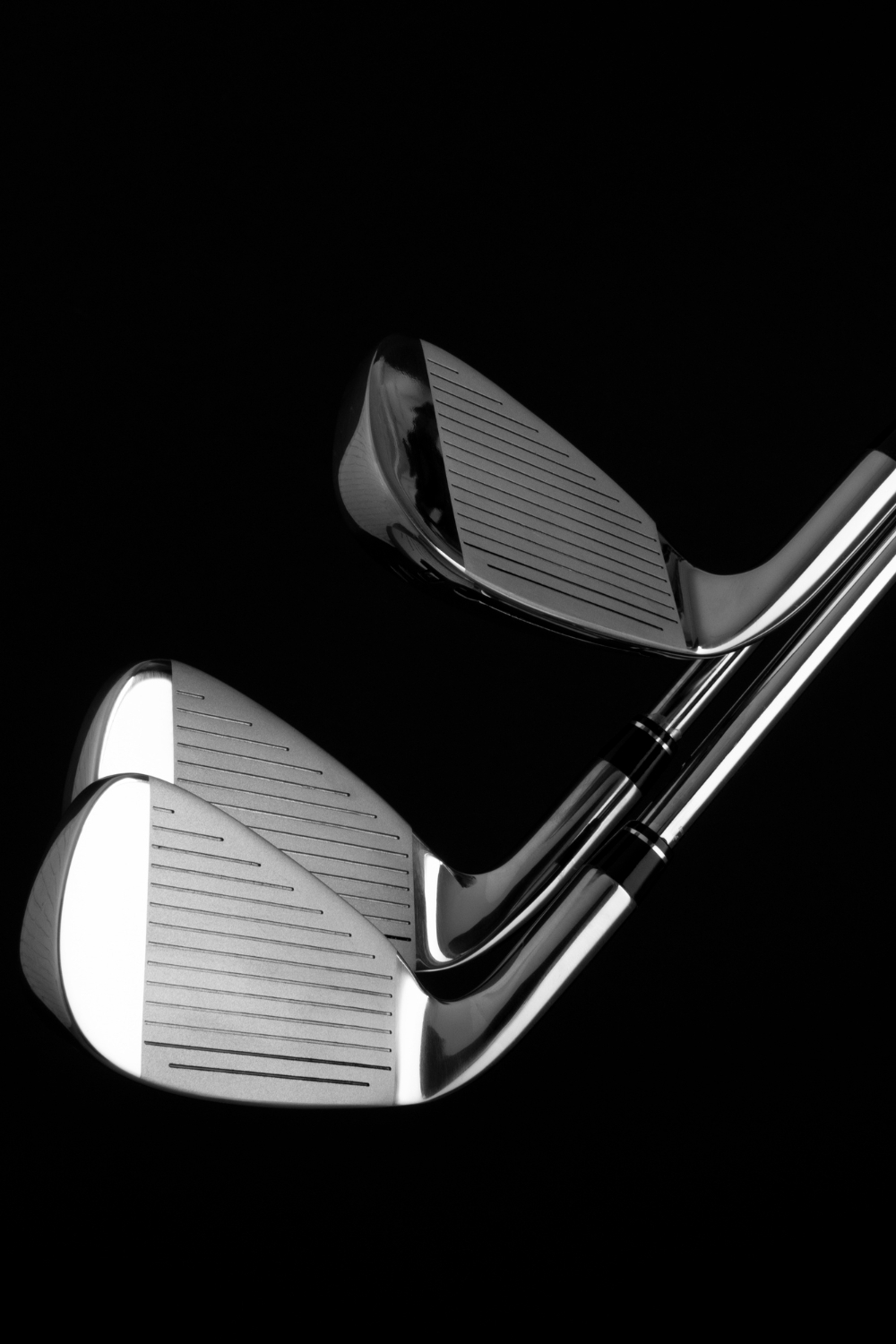
Irons are designed for approach shots and different playing distances. They are available in several numbered configurations, with each number generally representing a different loft and intended distance range.
Iron designs can vary in terms of clubhead construction, weight distribution, and forgiveness.
Some irons are developed with cavity-back designs to distribute weight around the clubhead, while others feature more compact constructions intended for players who prefer greater control over shot shaping.
4. Golf Hybrids
Hybrid clubs combine certain characteristics of fairway woods and traditional irons.
They are commonly used as alternatives to longer irons because their clubhead designs can make it easier for some golfers to achieve consistent contact.
Hybrids may be used from the fairway, rough, or tee, depending on the player's requirements and course conditions.
5. Wedges and Putters
Wedges are designed for shorter approach shots, bunker play, and situations requiring greater loft. Different wedge lofts and sole designs influence how the club interacts with the ground.
Putters are used on the green to roll the ball towards the hole. Their shape, alignment features, weight distribution, and length can influence putting consistency.
Golf Technology and Design Features
Golf equipment development involves several design considerations that can influence playing characteristics.
Clubhead Construction
Clubhead materials and construction methods affect the weight, strength, and overall design of golf clubs.
Manufacturers may use different combinations of metals and engineered materials to achieve specific performance characteristics.
Weight Distribution
The positioning of weight within a golf club can influence stability, launch conditions, and forgiveness.
Some club designs distribute weight towards the perimeter or lower sections of the clubhead to support particular playing characteristics.
Adjustable Features
Certain golf clubs include adjustable components that allow changes to loft, lie angle, or weight positioning.
These adjustments can help accommodate different swing characteristics and playing preferences. However, the suitability of each setting depends on individual requirements.
Shaft Design
The shaft connects the clubhead to the grip and plays an important role in club performance.
Shaft length, material, weight, and flexibility can influence swing mechanics and ball trajectory. Selecting an appropriate shaft generally requires consideration of swing speed and individual playing characteristics.
Factors South African Golfers Should Consider
Golf courses across South Africa feature different layouts, elevations, weather conditions, and ground surfaces. These factors can influence equipment requirements.
When researching Cobra Golf equipment, golfers may consider the following points:
- Playing Ability: Beginners may prioritise forgiveness and ease of use, while experienced players may consider control and shot-shaping characteristics.
- Swing Speed: Club specifications should correspond with individual swing characteristics.
- Course Conditions: Fairway firmness, rough thickness, and green conditions can influence club selection.
- Club Fitting: Correct club length, shaft flexibility, lie angle, and grip size can contribute to a comfortable playing setup.
- Equipment Condition: Golfers considering previously owned equipment should inspect the clubheads, shafts, grips, and adjustment mechanisms.
- Playing Requirements: Equipment selection should reflect the types of shots and distances regularly encountered during a round.
The Importance of Golf Club Fitting
Golf club fitting involves evaluating equipment specifications according to an individual's physical characteristics and playing style.
A fitting assessment may consider height, wrist-to-floor measurement, swing speed, ball flight, and impact position.
The purpose is to identify club specifications that support comfortable handling and consistent performance. A suitable fitting can also help identify whether changes to shaft length, flexibility, loft, or lie angle may be beneficial.
For golfers in South Africa, professional fitting assessments can provide useful information when comparing different equipment configurations.
Maintaining Golf Equipment
Regular maintenance helps preserve the condition of golf clubs and supports consistent use.
Clubheads should be cleaned after playing to remove grass, soil, and other debris. Grooves should remain free from dirt because their condition can influence interaction with the golf ball.
Grips should be inspected for wear and replaced when they become damaged or lose their original texture. Shafts should also be checked for visible cracks, bends, or other signs of deterioration.
Golf clubs should be stored in a dry location and protected from unnecessary exposure to moisture and extreme temperatures.
Conclusion
Cobra Golf represents a recognised category of golf equipment that includes drivers, fairway woods, irons, hybrids, wedges, and putters. Each club type serves a different purpose and offers design characteristics suited to particular playing situations.
For South African golfers, understanding club construction, shaft specifications, adjustability, and fitting requirements can support more informed equipment decisions. Considering individual playing ability, course conditions, and regular maintenance also contributes to a more organised approach to golf equipment selection.

 English
 Arabic
 French
 Spanish
 Portuguese
 Deutsch
 Turkish
 Dutch
 Russian
 Romaian
 Portuguese (Brazil)
 Greek
