


How Does hardwareodm Review Custom Part Drawings?
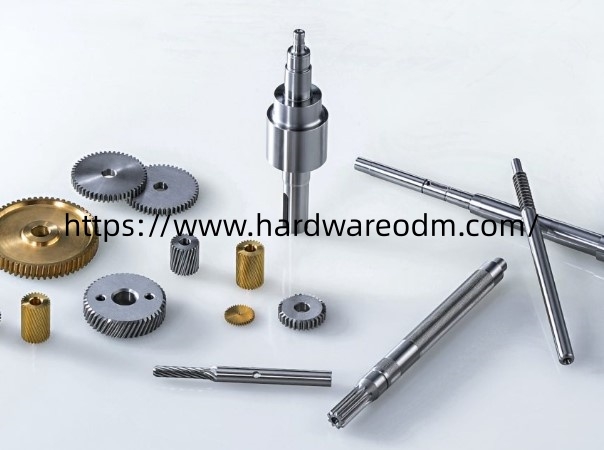
Machining Components procurement should begin with a clear understanding of how each metal part will function within its intended product. Buyers need to consider installation positions, connection methods, structural requirements, and the surrounding assembly. For OEM and ODM projects, a technical drawing is more than a list of dimensions. It provides the foundation for discussing manufacturing methods, tooling arrangements, sample development, and delivery requirements.
Explain the Intended Application
Before requesting a quotation, describe the product into which the metal part will be installed. A bracket, connecting piece, pipe fitting, or stamped hardware item may have different structural requirements even when their dimensions appear similar.
Provide information about mounting positions, connection methods, expected loads, contact surfaces, and surrounding structures. If the part must connect with another metal or plastic element, include the relevant assembly dimensions.
This information helps the manufacturer understand which areas require particular attention. It may also reveal opportunities to adjust the design before tooling or production begins.
Prepare Clear Technical Drawings
A useful technical drawing should communicate more than overall length, width, and height. Buyers should identify hole locations, bending angles, edge conditions, connection points, and other features that influence installation.
Before contacting a supplier, prepare the following materials:
Two-dimensional drawings with complete dimensions
Three-dimensional files when available
Material grade and thickness
Required surface appearance
Critical mounting and connection positions
Reference samples or photographs
Expected order quantities
If a drawing contains unclear dimensions or conflicting details, discuss them before production. Early clarification helps reduce repeated revisions and allows both parties to work from the same technical information.
Select a Suitable Manufacturing Process
Different metal designs require different production methods. Stamping, forming, cutting, bending, welding, and secondary finishing each serve particular structural and manufacturing requirements.
For example, flat metal parts with repeated profiles may be suitable for stamping. Pipe products may require cutting, shrinking, bending, or welding according to their intended shape and connection method.
hardwareodm offers customized metal processing, stamping, forming, finishing, and pipe fabrication services. Its production resources include punching equipment, presses, a large gantry processing center, automatic pipe cutting equipment, pipe shrinking equipment, bending equipment, and welding manipulators.
Buyers should discuss the product geometry and expected production quantity with the manufacturer. The selected process needs to account for the design, tooling requirements, and practical production conditions.
Review Mold Development Requirements
Customized metal products may require dedicated molds or fixtures. Before approving development, buyers should clarify the proposed structure, tooling scope, development costs, and preparation schedule.
Mold design should correspond to the finished product requirements. Important considerations include material thickness, forming direction, hole positions, bending areas, and the relationship between different structural features.
Ask the supplier whether design adjustments are recommended before mold production. In some projects, a small modification can simplify forming or make later assembly easier.
It is also important to agree on how the mold will be reviewed and accepted. Written confirmation of the approved design provides a reference for subsequent production.
Check Samples Against the Final Assembly
A sample provides an opportunity to examine whether the proposed design and manufacturing process match the intended application. Buyers should evaluate more than the external appearance.
Check important dimensions, hole positions, edge conditions, bending angles, connection points, and surface treatment. If the part belongs to a larger assembly, conduct a practical fit check using the corresponding items whenever possible.
Record any issues found during sample evaluation. Mark the relevant drawing areas and explain the required adjustments clearly. The manufacturer can then review whether changes involve the design, tooling, processing sequence, or inspection method.
Once the sample is approved, retain its specifications and inspection records as references for the production order.
Establish Practical Inspection Criteria
Inspection should focus on the features that affect product function and installation. Buyers can divide requirements into critical dimensions, general dimensions, surface appearance, and material-related checks.
For a formed metal bracket, hole spacing and bending angles may affect installation. For a pipe assembly, length, connection positions, and weld condition may require particular attention.
Discuss the inspection method before production starts. Depending on the product, this may include dimensional measurement, visual examination, material verification, mechanical testing, or surface treatment checks.
Clear acceptance criteria help purchasing and production teams communicate about the same requirements. They also provide a practical reference when reviewing delivered batches.
Coordinate Order Quantities and Delivery
The manufacturing plan should reflect the expected order quantity and product complexity. Prototype development, small-batch orders, and recurring production may involve different tooling and scheduling arrangements.
Buyers should confirm minimum order quantities, mold costs, sample charges, payment terms, production schedules, packaging, and shipment conditions. For projects involving several part numbers, prepare a quantity breakdown and identify which items need to be delivered together.
It is also useful to establish how drawing revisions will be managed. A controlled revision record helps prevent outdated specifications from being used during repeat orders.For businesses developing customized metal hardware and pipe products, hardwareodm provides support covering design consultation, sample development, mold opening, and manufacturing coordination. Buyers can submit drawings, samples, or project requirements and review available production services through https://www.hardwareodm.com/product/

 English
 Arabic
 Spanish
 Portuguese
 Deutsch
 Turkish
 Dutch
 Italiano
 Russian
 Romaian
 Portuguese (Brazil)
 Greek
