


Vacuum Sealers: Types, Features, and Tips for Choosing the Right
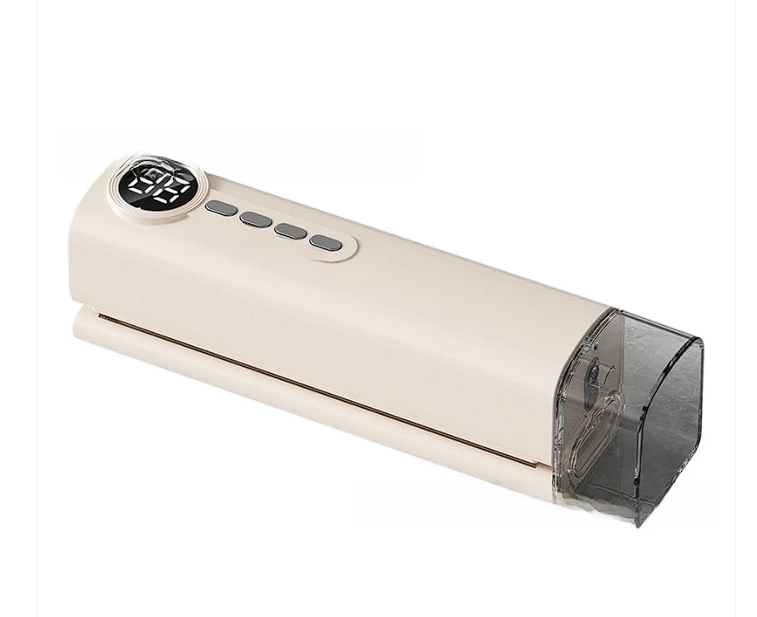
Vacuum sealers are useful kitchen appliances designed to remove air from compatible bags or containers and create sealed packages. They are commonly used for food storage, meal preparation, portion organization, and reducing exposure to air. Available in different sizes, designs, and operating styles, vacuum sealers offer various features for different household requirements. From external vacuum sealers and chamber machines to handheld models, each type provides a different sealing method. Explore the Vacuum Sealers range to discover different appliance designs and features.
What Are Vacuum Sealers?
Vacuum sealers are appliances that remove most of the air from compatible packaging before closing it securely. They generally use a vacuum pump to extract air and, in many models, a heated sealing strip to close the bag.
These appliances are commonly used to package food items for refrigerator or freezer storage. Removing excess air can help reduce exposure to oxygen and limit freezer burn, supporting food quality during storage. However, vacuum sealing does not eliminate bacteria or replace proper food handling, refrigeration, or freezing.
Vacuum sealers are available in different constructions, including countertop, chamber, and handheld designs. Their features may include automatic sealing, adjustable vacuum settings, built-in cutters, removable drip trays, and compatibility with specific bags or containers.
Key Features & Benefits of Vacuum Sealers
-
Air Removal: Extracts most of the air from compatible bags or containers before sealing.
-
Sealed Packaging: Creates a closed package that helps limit additional air exposure.
-
Food Storage Support: Useful for organizing food portions for refrigerator and freezer storage.
-
Different Designs: Available in external, chamber, handheld, and other configurations.
-
Adjustable Settings: Selected models offer different vacuum and sealing controls.
-
Automatic Operation: Some appliances provide automatic vacuum and sealing cycles.
-
Bag Compatibility: Designed to work with specific vacuum bags, rolls, or compatible containers.
-
Compact Options: Smaller models can fit kitchens with limited counter or storage space.
-
Built-In Accessories: Some designs include bag cutters, roll storage, and sealing accessories.
-
Multiple Applications: Useful for meal preparation, portion packaging, and household food organization.
Different Types of Vacuum Sealers
External Vacuum Sealers: External vacuum sealers are commonly used household appliances that remove air through the open end of a compatible bag. The bag is positioned at the machine's sealing area, where the appliance extracts air before closing the opening with heat. These models are generally suitable for everyday food packaging and freezer preparation.
Chamber Vacuum Sealers: Chamber vacuum sealers feature an enclosed compartment where the filled bag is placed during the sealing process. The machine removes air from the chamber and package before sealing the bag. These appliances are available in household and commercial designs and are suitable for different packaging requirements.
Handheld Vacuum Sealers: Handheld vacuum sealers are compact devices designed to remove air from compatible bags or containers through a valve. Their lightweight construction makes them convenient for smaller storage tasks. They are generally paired with specially designed reusable bags or containers.
Automatic Vacuum Sealers: Automatic vacuum sealers perform the air extraction and sealing process through programmed controls. Depending on the model, users may be able to select different operating modes for particular packaging requirements.
Manual Vacuum Sealers: Manual vacuum sealers provide greater control over the vacuum or sealing process through user-operated buttons or settings. They can be useful when handling different types of packaging or items that require more careful control.
Food Vacuum Sealers: Food vacuum sealers are designed specifically for packaging compatible food products. They are commonly used for portioning ingredients, organizing freezer supplies, and preparing food for storage.
Commercial Vacuum Sealers: Commercial vacuum sealers are generally larger appliances designed for frequent or higher-volume packaging tasks. They may include larger sealing areas, stronger construction, and additional operating controls.
Vacuum Sealer Bags and Rolls: Vacuum sealer bags and rolls are packaging accessories used with compatible machines. Pre-cut bags are available in different sizes, while rolls can be cut according to the required package dimensions.
Everyday Uses for Vacuum Sealers
Vacuum sealers are useful for organizing food storage and preparing ingredients for different meals. They can package compatible food items into separate portions, making it easier to arrange refrigerator and freezer supplies.
For meal preparation, vacuum-sealed packages can help organize individual ingredient portions. This approach is useful when preparing ingredients in advance and arranging meals for different days.
Vacuum sealers can also support freezer organization. Removing excess air from suitable packaging helps reduce exposure to air and can limit freezer burn. Food must still be stored at the appropriate temperature and handled according to food safety recommendations.
Dry pantry ingredients may also be packaged using compatible vacuum-sealing systems. Items such as suitable grains, beans, and other dry foods can be organized into sealed packages for storage.
In addition, vacuum sealers are used in some cooking preparations, including sous vide cooking, when the appliance, packaging, and food are suitable for that purpose. Always follow the manufacturer's instructions and appropriate food safety guidance.
How to Choose the Right Vacuum Sealer
Consider these factors when comparing different vacuum sealers:
-
Sealer Type: Choose between external, chamber, handheld, and other available designs.
-
Intended Use: Consider whether the appliance is needed for household food storage, meal preparation, or frequent packaging.
-
Sealing Performance: Review the vacuum and sealing capabilities described by the manufacturer.
-
Machine Size: Check the appliance dimensions and available kitchen counter space.
-
Bag Compatibility: Confirm which vacuum bags, rolls, and containers are supported.
-
Operating Modes: Compare automatic, manual, dry, and moist settings where available.
-
Sealing Width: Review the maximum bag width supported by the machine.
-
Built-In Features: Check for cutters, roll storage, removable trays, and accessory connections.
-
Ease of Cleaning: Consider removable components and the manufacturer's cleaning instructions.
-
Noise Level: Review product specifications and available operating information.
-
Construction: Compare the body material, sealing components, and overall design.
-
Budget and Value: Compare appliance features, accessories, specifications, and overall value.
When shopping online, review the product dimensions, power specifications, compatible packaging, included accessories, and operating instructions. These details help you understand the appliance and determine whether it meets your household requirements.
Vacuum Sealer Care and Maintenance
Proper care helps maintain the performance and condition of a vacuum sealer. Always disconnect the appliance from its power source before cleaning and follow the manufacturer's maintenance instructions.
Clean the exterior with a suitable soft cloth to remove dust and surface marks. If the appliance includes a removable drip tray, clean and dry it according to the product instructions.
Keep the sealing area free from food residue, moisture, and packaging material. Check the sealing strip and gasket periodically for visible wear or damage.
Store vacuum bags and rolls in a clean, dry location. Use packaging that is compatible with the appliance and follow the recommended bag placement and sealing instructions.
Avoid placing heavy objects on the machine during storage. Keep the appliance in a suitable location away from excessive moisture and heat.
Regularly inspect the power cord, controls, and other components. Following the manufacturer's care instructions can help keep the appliance in suitable working condition.
Explore Vacuum Sealers at Global Swanky
Choosing a suitable vacuum sealer becomes easier when you compare its design, sealing method, operating settings, size, and packaging compatibility. From compact handheld models to countertop and chamber appliances, different options provide practical solutions for household food organization and storage.
Explore the Vacuum Sealers range to discover available appliance designs and features. You can also visit Global Swanky to explore more kitchen products, home essentials, and everyday accessories.
Frequently Asked Questions About Vacuum Sealers
What Does a Vacuum Sealer Do?
A vacuum sealer removes most of the air from a compatible bag or container before closing it securely. It is commonly used for food portioning, packaging, and refrigerator or freezer organization.
What Are the Different Types of Vacuum Sealers?
Common types include external vacuum sealers, chamber vacuum sealers, handheld vacuum sealers, automatic models, and manual models. Each design uses a different method and offers different features.
Can Vacuum Sealers Help Keep Food Fresh?
Vacuum sealing reduces air exposure and can help maintain food quality during appropriate storage. However, it does not eliminate harmful microorganisms or replace refrigeration, freezing, and safe food handling.
Are All Vacuum Sealer Bags Compatible With Every Machine?
No. Bag compatibility depends on the vacuum sealer's design and operating method. Check the manufacturer's specifications to determine which bags, rolls, and containers are suitable.
How Should I Clean and Maintain a Vacuum Sealer?
Disconnect the appliance before cleaning, wipe the exterior with a suitable cloth, and clean removable components according to the manufacturer's instructions. Keep the sealing area clean and inspect the gasket and sealing strip regularly.

 English
 Arabic
 French
 Spanish
 Portuguese
 Deutsch
 Turkish
 Dutch
 Russian
 Romaian
 Portuguese (Brazil)
 Greek
