


Planning Smarter Cold Storage: How Walk-In Cooler Displays Support Commercial Operations
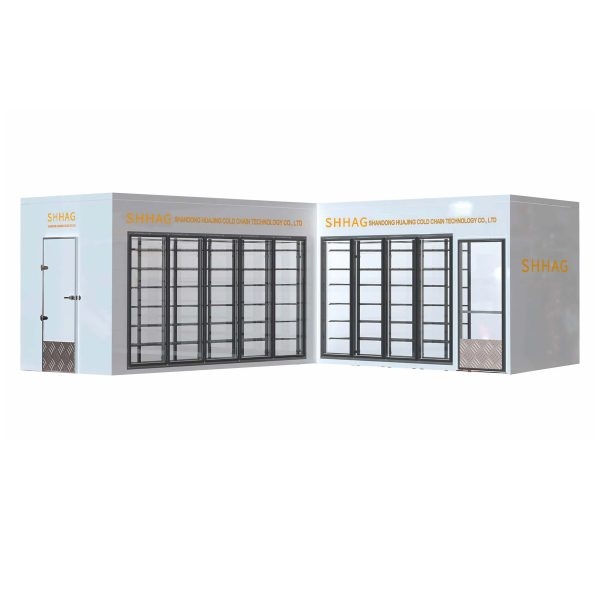
Businesses that handle temperature-sensitive products need refrigeration spaces that combine reliable cooling with efficient product organization. Supermarkets, restaurants, food distributors, and hospitality facilities often depend on walk-in refrigeration to store larger quantities of chilled goods. A well-planned display walk in cooler can provide accessible storage while making products easier to arrange, monitor, and retrieve. With suitable panels, doors, and refrigeration equipment, these spaces can support everyday operations across different commercial environments.
Understanding the Purpose of a Walk-In Cooler
A walk-in cooler is a refrigerated room designed to store products at controlled temperatures. Unlike standard refrigerators, it offers enough interior space for employees to enter and access stored items directly.
These systems are widely used by grocery stores, restaurants, hotels, catering companies, and food processing facilities. Their capacity makes them useful for businesses that need to store bulk ingredients, beverages, dairy products, fresh produce, and prepared food.
A display-oriented walk-in cooler can also make selected products more accessible to customers or staff, depending on the layout. Its design should balance visibility, storage capacity, hygiene, and convenient movement.
Why Panel Construction Is Important
The panels used to construct a cold room play a major role in its overall thermal performance. Insulated panels help reduce heat transfer between the refrigerated interior and the surrounding environment.
When selecting panels, businesses should consider insulation properties, thickness, surface materials, joint design, and suitability for the intended operating conditions. Properly connected panels help create a more consistent enclosure and reduce potential areas where unwanted heat can enter.
Panel construction also influences durability and maintenance. Commercial cold rooms are exposed to regular cleaning, movement of goods, and frequent staff access. Surfaces should therefore be appropriate for the environment and practical to maintain.
A suitable panel system can help create a dependable foundation for the complete refrigeration installation.
Designing an Efficient Interior Layout
A walk-in cooler should be designed around the products it will store and the way employees use the space. Poor organization can make stock difficult to locate, slow down daily operations, and create unnecessary handling.
An effective layout may include:
-
Clearly arranged shelving: Separate product categories to make identification easier.
-
Accessible pathways: Allow employees to move safely while transporting goods.
-
Suitable storage zones: Organize products according to handling and storage requirements.
-
Practical lighting: Improve visibility when locating and checking inventory.
-
Convenient door placement: Support efficient movement without creating unnecessary obstructions.
Businesses should also consider future storage requirements. A room that works for current inventory may become difficult to manage if product volumes increase significantly.
Supporting Temperature Management
Maintaining suitable temperatures is essential for protecting perishable goods. The performance of a walk-in cooler depends on the complete system, including insulated panels, refrigeration equipment, doors, seals, and operating practices.
Frequent door opening can allow warmer air to enter the room. Poorly sealed joints or damaged door gaskets may also affect temperature stability. Businesses should therefore pay attention to installation quality and ensure that the refrigeration system is appropriate for the room's size and expected usage.
Temperature monitoring is another important practice. Regular checks help employees identify unusual changes and respond before products are exposed to unsuitable storage conditions.
The correct temperature range depends on the type of products being stored, so businesses should follow relevant food safety guidance and product-specific requirements.
Applications Across Commercial Industries
Walk-in cooler systems are useful in many industries because they provide organized refrigerated storage at a larger scale.
Restaurants and commercial kitchens: These facilities use cold rooms to store ingredients, dairy products, sauces, and prepared items while keeping supplies accessible to kitchen staff.
Supermarkets: Grocery retailers need space for chilled inventory and may use specialized display arrangements for selected products.
Hotels and catering businesses: Large food operations often require organized storage for ingredients and beverages used throughout the day.
Food distribution facilities: Distributors depend on suitable refrigerated spaces to hold products before transportation or delivery.
Food processing businesses: Cold rooms can support storage processes where controlled temperatures are required between production stages.
Each application has different requirements, making careful planning essential before installation.
Hygiene and Maintenance Practices
Cleanliness is a central consideration in commercial cold storage. Employees should follow appropriate cleaning schedules and ensure that shelves, floors, panels, and frequently touched surfaces remain in suitable condition.
Routine inspections can help identify problems such as damaged panel joints, worn door seals, condensation, unusual frost buildup, or changes in refrigeration performance.
Businesses should also avoid overcrowding the room. Air circulation needs sufficient space, and products should be stored in a way that does not obstruct cooling equipment or interfere with normal operation.
Preventive maintenance is generally more manageable than waiting for a major equipment issue to interrupt daily business activities.
Choosing the Right Cold Room Solution
Selecting a walk-in cooler involves more than deciding how much storage space is needed. Businesses should evaluate room dimensions, product categories, expected inventory volumes, insulation requirements, door configuration, and refrigeration capacity.
The surrounding environment also matters. Installation conditions, ambient temperature, humidity, and frequency of access can influence the design requirements.
Working with an experienced supplier can help businesses understand the available panel configurations and identify a system suited to their operational needs. SHHAG offers refrigeration-related solutions that businesses can explore when planning cold room installations or upgrades.
Building a More Organized Refrigerated Environment
A successful cold storage facility combines suitable construction, effective refrigeration, practical organization, and consistent maintenance. When these elements work together, businesses can create an environment that supports product handling and everyday efficiency.
Whether the goal is to improve food storage, expand commercial capacity, or organize a refrigerated display area, careful planning makes a significant difference. Investing in a suitable display walk in cooler can help businesses develop a functional cold storage space that meets their operational requirements.

 English
 Arabic
 French
 Spanish
 Portuguese
 Deutsch
 Turkish
 Dutch
 Italiano
 Romaian
 Portuguese (Brazil)
 Greek
