


Why Should You Never Share One-Time Verification Codes?
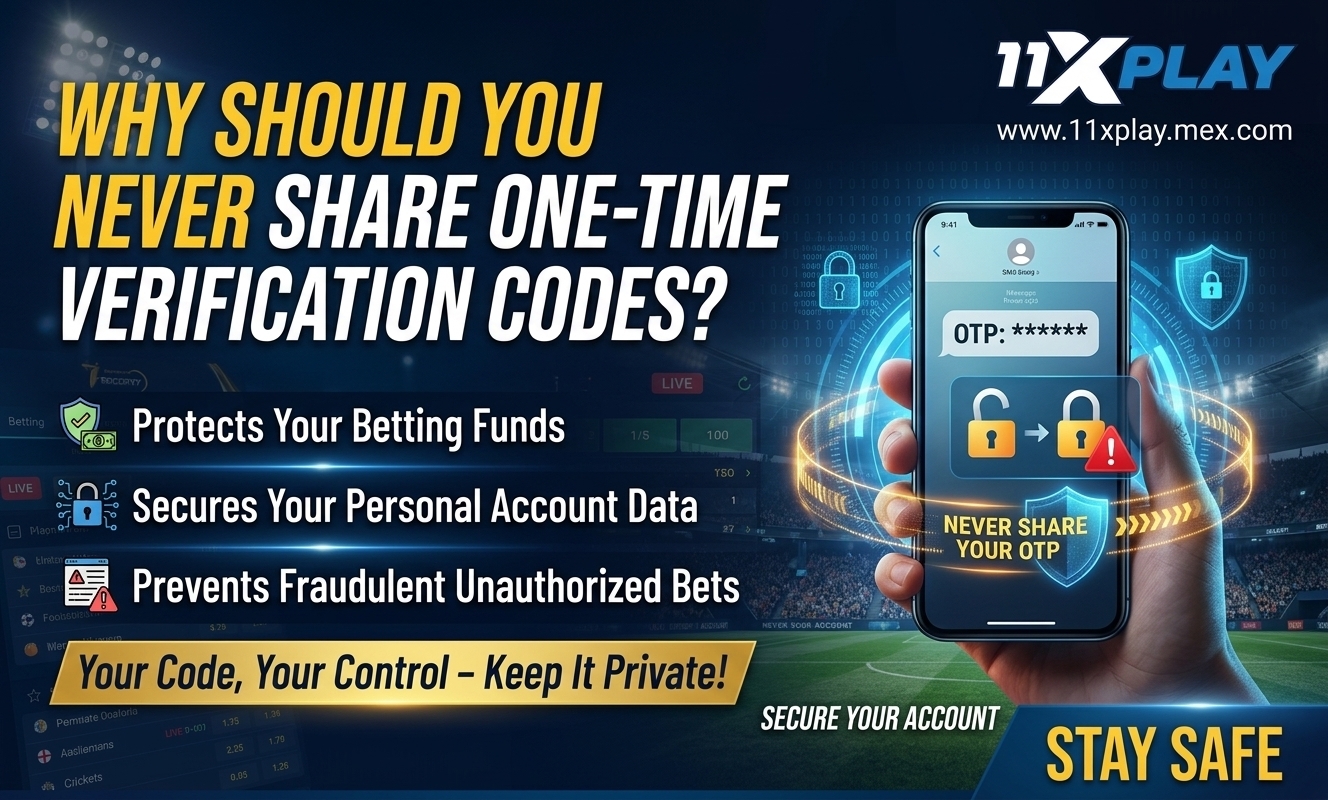
Online account security depends on small but important habits. Whether users access digital services through a browser or mobile device, protecting personal information should always remain a priority. For users of 11xplay, understanding how one-time verification codes work can help prevent unauthorised account access. These temporary codes provide an additional security check, but sharing them with another person can put account information at risk.
A one-time verification code may look like an ordinary combination of numbers. However, it serves an important purpose: confirming that the person attempting an action has access to a registered phone number, email address, or authentication method. Therefore, keeping these codes private is essential for maintaining account security.
What Is a One-Time Verification Code?
A one-time verification code (OTP) is a temporary security code that a service sends to a registered mobile number, email address, or authentication application. Users enter this code to confirm their identity during specific account activities.
Unlike a regular password, an OTP usually expires after a short period or becomes invalid after one successful use.
Websites commonly request these codes for activities such as:
-
Confirming a new account registration.
-
Verifying identity during account access.
-
Resetting or changing a password.
-
Confirming sensitive account-related actions.
-
Checking whether a registered contact method belongs to the user.
Although these codes provide an additional layer of protection, they cannot guarantee complete security if someone shares them carelessly.
How Can Sharing Verification Codes Put Your Account at Risk?
Sharing an OTP may allow another person to complete an action that requires your identity confirmation. Even if someone sounds trustworthy, you cannot always know how they intend to use the information.
Here are some common risks worth understanding.
1. Unauthorised Account Access
A person who obtains your verification code may use it to complete an account access request. If they also have other necessary information, they could gain access without your permission.
For this reason, never share an OTP with someone claiming to provide technical assistance or account support.
2. Password Reset Attempts
Some websites use verification codes to confirm password reset requests. If another person receives your code, they may attempt to change your account password.
Consequently, you could lose access to your own account.
3. Exposure of Personal Information
Unauthorised account access can expose information such as registered contact details, account preferences, and activity records. Therefore, protecting verification codes also helps maintain personal privacy.
4. Misuse of Your Identity
Scammers may use your verification code to complete actions while pretending to be you. This can create confusion and make it difficult to identify who initiated a particular request.
Common Tricks Used to Obtain One-Time Codes
Not every suspicious request looks threatening. In fact, some attempts appear genuine because the person uses familiar language or creates a sense of urgency.
Watch out for these common approaches:
-
Fake support messages: Someone claims to represent a website's support team and asks you to provide your OTP.
-
Unexpected verification requests: You receive a code without attempting to access your account.
-
Urgent warnings: A message claims that your account will become unavailable unless you share the code immediately.
-
Impersonation attempts: Someone pretends to be a friend, colleague, or service representative to gain your trust.
If you receive such a request, avoid responding immediately. Instead, verify the situation through a trusted communication channel.
What Should You Do When You Receive an Unexpected OTP?
An unexpected verification code may indicate that someone has entered your contact details during an account access or recovery attempt.
However, receiving a code does not automatically mean someone has accessed your account.
Take these precautions:
-
Do not share the code with anyone.
-
Avoid clicking unfamiliar links included in related messages.
-
Check whether you recently requested a password reset or account verification.
-
Review your account activity through the official service.
-
Change your password if you notice suspicious activity.
-
Contact the platform through its verified support channel if the issue continues.
For users accessing the 11xplay India, checking the authenticity of the page before entering account information is equally important.
How to Keep Your Verification Codes Secure
Good security habits can reduce the chances of unauthorised access. You do not need complicated technical knowledge to protect your account; a few consistent practices can make a difference.
Consider following these guidelines:
-
Keep codes private: Never share OTPs through calls, messages, emails, or social media.
-
Use strong passwords: Create unique passwords instead of repeating the same combination across multiple services.
-
Enable additional security: Use available two-step verification options wherever possible.
-
Check website addresses: Confirm that you are visiting the correct website before entering personal details.
-
Avoid public devices: Do not enter sensitive account information on shared computers.
-
Update contact details: Keep your registered email address and phone number accurate and accessible.
When completing an 11xplay sign up process, users should also review the available security instructions and understand how verification works.
What Should You Do If You Have Already Shared an OTP?
If you have accidentally shared a verification code, act quickly rather than waiting for unusual activity to appear.
First, access your account through a verified website or application and change your password if necessary. Next, review recent activity and check for unfamiliar changes.
If you cannot access your account, contact the relevant support team through its verified communication channel. Explain what happened and provide the necessary account information without disclosing additional verification codes.
Users should also review the security instructions available through the official access channel rather than relying on messages from unknown individuals.
Remember that an 11xplay ID and login credentials should remain private. Account details and verification codes serve different purposes, but both require careful handling.
Users exploring different online card formats can also learn about the basic rules, card distribution, and playing conditions associated with an andar bahar card game.
Final Thoughts
One-time verification codes provide an important layer of account protection, but their effectiveness depends on how carefully users handle them. Never share an OTP, even when someone claims to represent a trusted service. By recognising suspicious requests, checking account activity, and following basic security practices, users can reduce avoidable risks and maintain better control over their online accounts.

 Arabic
 French
 Spanish
 Portuguese
 Deutsch
 Turkish
 Dutch
 Italiano
 Russian
 Romaian
 Portuguese (Brazil)
 Greek
