


Solar Company in Pakistan: Choose the Right Solar Energy Partner for Your Home and Business
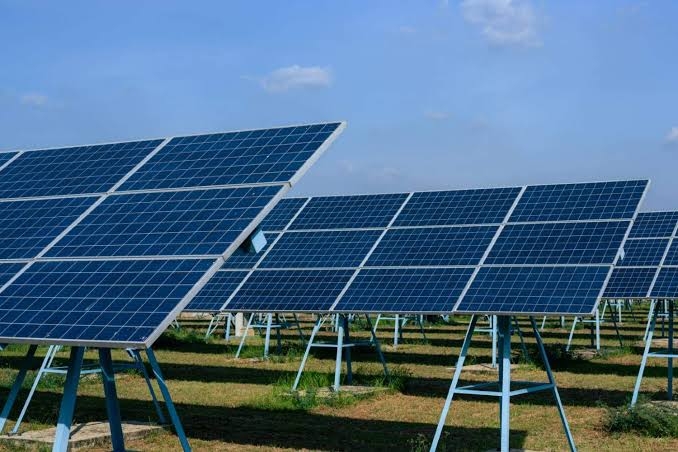
Pakistan is facing growing energy challenges, including high electricity bills, power shortages, and rising energy costs. These problems have encouraged homeowners, businesses, farmers, and industries to look for better ways to produce electricity. Solar energy has become one of the most practical solutions because it uses sunlight to generate clean and affordable power.
Choosing the right solar company in Pakistan is an important step when planning to install a solar system. A reliable solar provider can help you select suitable solar panels, inverters, batteries, and other equipment according to your electricity needs. Professional installation and proper system planning can also improve performance and help you get better value from your investment.
DSG Energy aims to support customers with solar energy solutions designed for residential, commercial, and agricultural requirements. Whether you want to reduce your household electricity bills or provide power to a large business, choosing the right solar system can make a meaningful difference.
This guide explains the benefits of solar energy, the types of solar systems available, important equipment, installation considerations, and how to choose a suitable solar energy partner in Pakistan.
Why Is Solar Energy Becoming Popular in Pakistan?
Pakistan receives plenty of sunlight throughout the year, making solar power a useful renewable energy option. Solar panels convert sunlight into electricity that can be used to operate household appliances, office equipment, industrial machinery, and agricultural water pumps.
There are several reasons why people are moving towards solar energy.
1. Lower Electricity Bills
One of the biggest benefits of installing solar panels is the opportunity to reduce monthly electricity expenses. A properly designed solar system can generate a large part of the electricity required by a property. This reduces the amount of electricity purchased from the national grid.
2. Better Energy Independence
Solar power gives homes and businesses another source of electricity. Depending on the system design, battery storage can also provide backup power when grid electricity is unavailable.
3. Environment-Friendly Energy
Solar energy produces electricity without burning fossil fuels during operation. Using renewable energy can help reduce carbon emissions and support a cleaner environment.
4. Long-Term Investment
A solar system can provide electricity for many years when installed with quality equipment and maintained properly. Although the initial installation requires investment, customers may benefit from reduced electricity expenses over its operating life.
5. Suitable for Different Sectors
Solar technology is not limited to residential properties. Factories, offices, shopping centres, schools, farms, and other facilities can also benefit from customised solar installations.
How to Choose the Right Solar Company in Pakistan
Selecting a solar provider requires more than comparing installation prices. You should consider the company's technical experience, equipment quality, engineering capabilities, warranties, and after-sales support.
Here are some important factors to consider before making your decision.
1. Check Technical Experience
Solar installation requires proper knowledge of electrical systems, energy consumption, panel positioning, and inverter selection. An experienced company can assess your electricity requirements and recommend an appropriate solution.
Check the company's previous projects, technical team, and experience with installations similar to yours.
2. Compare Solar Equipment Quality
Solar panels and inverters are important parts of any solar power system. Their quality can affect electricity generation, reliability, and long-term performance.
Look for recognised manufacturers and genuine equipment with proper warranty documentation. DSG Energy lists brands such as Jinko, JA Solar, Canadian Solar, and Trina Solar for panels, along with Huawei solar inverters.
3. Ask About Customised System Design
Every property has different electricity requirements. A small house does not need the same solar capacity as a commercial building or manufacturing facility.
A professional provider should review your electricity bills, daily consumption, available installation space, and future energy requirements before preparing a proposal.
4. Understand the Warranty
Before signing an agreement, ask about product warranties, installation warranties, and service conditions. Understand which components are covered and how warranty claims are handled.
Clear documentation can help prevent problems after installation.
5. Consider After-Sales Support
Solar systems need regular inspection and maintenance to maintain good performance. Dust, dirt, loose connections, and equipment issues can affect electricity production.
Choose a company that provides monitoring, maintenance, and technical support after completing the installation.
DSG Energy: Solar Solutions for Different Energy Needs
Company information based on DSG Energy's official website.
DSG Energy provides turnkey renewable energy solutions for residential, commercial, industrial, and agricultural customers. Its services focus on customised solar system design, modern technology, engineering, and ongoing customer support.
The company works with global technology partners and offers solutions designed around customer energy requirements. Its services also include energy monitoring, engineering consultancy, and support for solar financing.
DSG Energy highlights several features of its solar services:
- Customised solar system designs according to electricity consumption.
- Solar equipment from recognised manufacturers.
- Cloud-based solar plant monitoring.
- Professional engineering and installation.
- Different solar mounting structures for different buildings.
- After-sales services and operations and maintenance support.
- Assistance with project financial feasibility.
These services make DSG Energy an option for customers looking for a complete solar solution instead of purchasing equipment and arranging installation separately. Solar Energy Pakistan - DSG Energy+1
Types of Solar Systems Available in Pakistan
Before contacting a solar provider, it is useful to understand the main types of solar systems. Each system has different features and is suitable for different energy requirements.
1. On-Grid Solar System
An on-grid solar system is connected to the national electricity grid. Solar panels generate electricity during daylight hours, and the property can use this electricity to operate appliances and equipment.
When solar generation is lower than consumption, electricity can be imported from the grid. Depending on applicable regulations and the approved connection arrangement, surplus electricity may also be exported to the grid.
Main benefits:
- Reduces dependence on grid electricity.
- Can lower monthly electricity expenses.
- Generally does not require batteries.
- Suitable for homes and businesses with grid connections.
This system can be a suitable choice for customers who want to reduce electricity costs without investing in battery storage.
2. Hybrid Solar System
A hybrid solar system combines solar panels, an inverter, battery storage, and a grid connection. It can use solar electricity during the day and store extra energy in batteries for later use.
When properly configured, a hybrid system can provide backup power during grid outages.
Main benefits:
- Supports battery backup.
- Provides more flexibility in electricity management.
- Can use grid electricity when solar production is insufficient.
- Suitable for properties that need backup power.
Hybrid systems are useful for homes, offices, and businesses where electricity availability is important.
3. Off-Grid Solar System
An off-grid solar system operates independently of the national electricity grid. It uses solar panels and battery storage to supply electricity.
These systems are often useful in remote locations where grid connections are unavailable or difficult to access.
Main benefits:
- Works without a national grid connection.
- Suitable for remote locations.
- Can support independent electricity generation.
- Provides an alternative power source for farms and rural properties.
The battery capacity and system design must be carefully calculated to meet electricity requirements throughout the day and night.
DSG Energy offers on-grid, hybrid, and off-grid solar solutions according to different customer requirements. DSG Energy+1
Residential Solar Solutions for Homes
Electricity consumption in Pakistani homes can increase because of air conditioners, refrigerators, washing machines, water pumps, lights, and other electrical appliances.
A residential solar system can help homeowners manage these expenses by generating electricity from sunlight.
However, the right system size depends on the property's actual energy consumption. Before installation, an engineer should review electricity bills, appliance loads, roof space, and expected daytime usage.
DSG Energy provides customised residential solar solutions designed around individual household requirements. Customers can discuss on-grid and battery backup options depending on their electricity needs.
A properly planned home solar installation can help families reduce grid electricity consumption and improve their control over energy expenses. DSG Energy
Commercial Solar Solutions for Businesses
Businesses often consume significant amounts of electricity to operate lighting, computers, air conditioning, production equipment, and other systems.
High electricity expenses can affect operating costs and business profitability. Solar power offers businesses an alternative way to generate electricity and manage their energy budgets.
A commercial solar system can be installed on suitable rooftops, parking structures, or available land. The system capacity depends on the business's electricity demand, operating hours, and available installation area.
DSG Energy offers commercial solar solutions, including grid-tied, hybrid, and off-grid systems. Its services cover system design, installation, financial feasibility, and ongoing maintenance.
For business owners, investing in solar energy can support long-term cost management while reducing dependence on conventional electricity sources. DSG Energy
Industrial Solar Solutions for Factories
Industrial facilities often require large amounts of electricity to operate heavy machinery, production lines, cooling systems, and other equipment. Electricity expenses can become a major part of overall production costs.
Industrial solar solutions allow factories and manufacturing units to generate electricity through solar panels. These systems can be designed according to the facility's load requirements, available space, and energy consumption patterns.
Some important benefits include:
- Lower electricity expenses.
- Reduced dependence on conventional energy sources.
- Better control over long-term energy costs.
- Support for sustainable industrial operations.
- Improved energy management through monitoring systems.
DSG Energy provides customised industrial solar installations designed by qualified engineers. Its solutions consider different installation requirements, including specialised solar structures for industrial buildings.
For factories planning to switch to renewable energy, professional system design is important for achieving reliable electricity generation and better project performance.
Agricultural Solar Solutions for Farmers
Agriculture is an important part of Pakistan's economy, and reliable electricity is necessary for irrigation, water pumping, and other farming activities. However, farmers in remote areas may face electricity supply problems and high operational expenses.
Solar-powered tube wells provide an alternative way to operate agricultural water pumps. These systems use solar panels to generate electricity for pumping water, helping farmers reduce their dependence on conventional electricity and fuel.
DSG Energy offers agricultural solar solutions that include:
- Solar tube well systems.
- Solar-powered water pumping.
- Agricultural energy solutions.
- Drip irrigation systems.
- Customised installations for farming requirements.
Solar tube wells can be particularly useful in locations where grid electricity is unavailable or expensive. Farmers can use sunlight to operate water pumps during suitable daylight hours.
DSG Energy also provides agricultural solutions designed to withstand challenging outdoor conditions, including dust, rain, and storms. DSG Energy
Important Components of a Solar Power System
A complete solar installation includes several components that work together to generate and manage electricity.
Solar Panels: Solar panels capture sunlight and convert it into direct current (DC) electricity. Their efficiency, capacity, and quality affect the overall performance of the system.
Solar Inverter: An inverter converts DC electricity into alternating current (AC), which is used by most household and commercial appliances.
Battery Storage: Batteries store electricity for later use. They are especially important for hybrid and off-grid solar systems.
Mounting Structure: Mounting structures hold solar panels in position. Their design depends on the roof type, installation area, wind conditions, and building structure.
Monitoring System: Monitoring technology helps customers track electricity generation, system performance, and possible technical issues.
Choosing suitable components is important for achieving a reliable solar installation. A professional solar company should explain the equipment specifications and recommend products according to the project's requirements.
Net Metering and Solar Electricity Management
Net metering has been an important consideration for many solar system owners in Pakistan. Under an approved grid connection arrangement, customers may be able to export surplus electricity to the national grid and receive credits according to the applicable billing mechanism.
For example, a property may generate more solar electricity than it consumes during certain daylight hours. The surplus electricity can be exported where the customer has an approved arrangement.
During periods when solar generation is insufficient, electricity can be imported from the grid.
However, solar export arrangements, billing rates, eligibility, and connection requirements are subject to current regulations and applicable utility policies. Customers should confirm the latest requirements before making an investment based on expected export credits.
DSG Energy provides guidance on solar system design and net metering arrangements to help customers understand their available options. Solar Energy Pakistan - DSG Energy+1
Why Solar Monitoring and Maintenance Matter
Installing solar panels is only the beginning of a long-term energy project. Regular monitoring and maintenance help keep the system operating properly.
Dust accumulation, damaged cables, inverter faults, and loose electrical connections can reduce solar system performance. Regular inspections help identify these issues before they become more serious.
Here are some important maintenance practices:
- Clean Solar Panels: Remove dust and dirt when necessary to maintain effective sunlight absorption.
- Check Inverters: Monitor inverter performance and review any warning messages.
- Inspect Electrical Connections: Check cables, connectors, and other electrical components.
- Monitor Energy Production: Compare actual electricity generation with expected performance.
- Schedule Professional Inspections: Arrange periodic inspections to identify technical problems.
DSG Energy highlights cloud-based monitoring and after-sales operations and maintenance services as part of its solar offering. These services can help customers monitor their installations and manage technical issues. Solar Energy Pakistan - DSG Energy+1
How Much Does a Solar System Cost in Pakistan?
The cost of a solar system depends on several factors, so there is no single price that applies to every property.
The total investment usually depends on:
- Required solar system capacity.
- Number and type of solar panels.
- Inverter brand and specifications.
- Battery capacity, if required.
- Mounting structure and installation conditions.
- Electrical protection and wiring.
- Labour and installation requirements.
For example, a household with moderate electricity consumption may require a smaller installation than a factory operating heavy machinery throughout the day.
Customers should request a detailed quotation that explains the equipment, system capacity, installation costs, warranties, and expected electricity generation.
It is also helpful to compare the expected savings with the initial investment. A professional feasibility assessment can help determine whether a proposed solar project makes financial sense.
DSG Energy offers assistance with project financial feasibility and solar financing options, helping customers understand the investment requirements before proceeding. Solar Energy Pakistan - DSG Energy+1
How to Get Started with Solar Installation
If you are planning to install solar panels at your home, office, factory, or farm, following a proper process can make the experience easier.
Step 1: Review Your Electricity Consumption
Collect your recent electricity bills and review your monthly units. This information helps determine the required solar capacity.
Step 2: Arrange a Site Assessment
A technical team should inspect the property, available roof space, electrical connections, and installation conditions.
Step 3: Select the Right Solar System
Choose between on-grid, hybrid, and off-grid options according to your electricity requirements and backup needs.
Step 4: Review the Quotation
Check the panel and inverter specifications, installation charges, warranties, and other project details.
Step 5: Complete Professional Installation
Qualified technicians should install the panels, inverter, wiring, mounting structures, and safety equipment according to applicable technical standards.
Step 6: Monitor System Performance
After installation, regularly monitor electricity production and arrange maintenance when required.
Following these steps can help customers make informed decisions and get more value from their solar investment.
Frequently Asked Questions
1. Which is the best solar company in Pakistan?
The right solar company depends on your project requirements, budget, equipment preferences, and service expectations. Compare technical experience, previous installations, product warranties, engineering capabilities, and after-sales support before selecting a provider. DSG Energy offers residential, commercial, industrial, and agricultural solar solutions.
2. Is solar energy a good investment in Pakistan?
Solar energy can be a useful long-term investment because it allows customers to generate their own electricity and reduce dependence on grid power. However, the financial benefits depend on installation costs, electricity consumption, system performance, and applicable electricity billing policies.
3. Which solar system is suitable for a home?
An on-grid system may suit homeowners who want to reduce electricity bills without battery storage. A hybrid system is worth considering when backup power is also important. An off-grid system is generally suitable for properties without a reliable grid connection.
4. How long do solar panels last?
Many quality solar panels are designed to operate for 25 years or longer. However, actual performance depends on product quality, installation, environmental conditions, and maintenance. Customers should check the manufacturer's product and performance warranties.
5. Does DSG Energy provide solar solutions for industries?
Yes. DSG Energy provides customised industrial solar solutions based on electricity consumption, facility requirements, and available installation space. Its services also include engineering, system design, and ongoing support.
6. Can farmers use solar energy for tube wells?
Yes. Solar-powered tube wells use electricity generated by solar panels to operate water pumps. They can help farmers reduce dependence on conventional electricity and fuel, particularly in remote agricultural areas.
Choose DSG Energy for Your Solar Energy Requirements
Switching to solar energy is an important step towards better electricity management and a cleaner future. Whether you are a homeowner looking to reduce electricity bills, a business owner planning to control operating costs, or a farmer searching for reliable irrigation power, the right solar system can support your energy goals.
DSG Energy provides turnkey solar solutions for residential, commercial, industrial, and agricultural customers across Pakistan. With customised engineering, recognised solar equipment, monitoring technology, and after-sales services, the company aims to make renewable energy more accessible.
If you are searching for a reliable solar company in Pakistan, explore the available solutions and discuss your electricity requirements with DSG Energy before choosing an installation.
Visit the official website to learn more about its services and request a solar consultation:
Website: https://dsgenergy.com.pk/
Phone: +92 311 1374374
Email: info@dsgenergy.com.pk

 Arabic
 French
 Spanish
 Portuguese
 Deutsch
 Turkish
 Dutch
 Italiano
 Russian
 Romaian
 Portuguese (Brazil)
 Greek
