


7 Workplace Interior Design Trends Reshaping India's Hybrid Offices
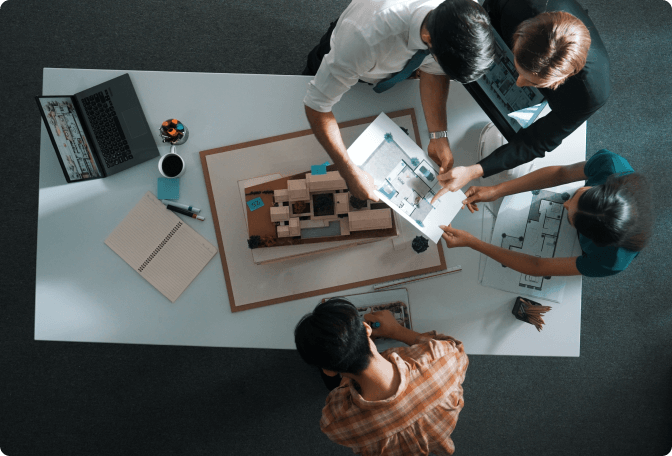
Walk through a corporate office in Bengaluru, Gurugram or Pune on a Wednesday afternoon, and you may notice a familiar pattern. The meeting rooms are fully booked while rows of desks sit half empty. Teams that come in for collaboration end up taking video calls from open-plan seating. People who need quiet focus time hunt for a corner.
This is the core challenge of hybrid work. Offices designed for five days of fixed-desk attendance no longer match how people work. That is why workplace interior design in India is shifting from rows of workstations to spaces built around activities, flexibility and employee experience.
Whether you run a growing startup, a global capability centre (GCC) or an established enterprise, here are seven trends shaping the hybrid-ready office.
1. Activity-Based Workspaces and Flexible Zones
The biggest change in hybrid office design is the move away from "one person, one desk." Activity-based working gives employees a choice of settings that match the task: quiet zones for deep work, open areas for casual collaboration, phone booths for calls, and lounge spaces for informal conversations.
For Indian companies with fluctuating attendance, this approach makes better use of every square foot. Instead of paying for desks that sit idle, you invest in a range of spaces that people want to use. Modular furniture, movable partitions and reconfigurable layouts make it easier to adapt as team sizes and work patterns change.
2. Collaboration Hubs Instead of Rows of Desks
If people are commuting to the office, it should be for something they cannot do as well at home: brainstorming, mentoring, workshops and building relationships. Forward-looking corporate office design now puts collaboration hubs at the centre of the floor plan.
These hubs often include writable walls, flexible seating, large project tables and informal "huddle" nooks. The best ones sit close to team neighbourhoods so people can move naturally between solo work and group work. The result is an office that feels like a destination rather than an obligation.
3. Hot-Desking and Smart Space Booking
Hot-desking, where employees reserve a seat on the days they come in, has become common in India's IT, consulting and financial services sectors. It works best when paired with simple booking technology and clear etiquette.
Smart booking tools show real-time availability of desks, meeting rooms and collaboration zones. They also generate useful occupancy data. Facility and real estate teams can see which spaces are overused and which are ignored, then adjust the layout accordingly. Good office space planning is no longer a one-time exercise but an ongoing process informed by actual usage.
4. Biophilic Design and Wellness-Focused Interiors
Employee wellbeing has moved from a "nice to have" to a design priority. Biophilic design brings natural elements into the workplace through indoor plants, living walls, natural light, wood textures and views of greenery. Research in environmental psychology has long linked connection to nature with improved mood and reduced stress.
In Indian cities, where air quality, heat and urban density are real concerns, wellness-focused interiors carry extra weight. Companies are adding better ventilation, daylight-optimised layouts, ergonomic furniture, quiet rooms and wellness corners. These features support employee experience and make the office a place people are glad to return to.
5. Tech-Enabled Meeting Rooms for Hybrid Teams
A hybrid meeting where remote participants struggle to hear or see is a frustrating experience for everyone. As a result, meeting room design is getting more attention than ever.
Hybrid-ready rooms combine quality cameras, ceiling or table microphones, large displays and intuitive controls, along with the right room geometry and lighting. Furniture layouts that put every participant, in the room or online, on equal footing help meetings run more smoothly. Many organisations are also right-sizing their rooms, with more small and medium spaces for two to six people, since most hybrid meetings are small.
6. Acoustic Planning and Focus Zones
Open-plan offices encourage collaboration, but without acoustic planning they can undermine concentration. This matters even more in hybrid setups, where employees spend much of their day on video calls.
Thoughtful acoustic design uses sound-absorbing ceilings, wall panels, soft furnishings, carpet tiles and strategic zoning to keep noise under control. Placing noisy areas such as cafés and collaboration hubs away from focus zones makes a big difference. Phone booths and enclosed focus rooms give people a private place for calls and concentrated work, one of the most requested features in modern Indian offices.
7. Sustainable Materials and Energy-Efficient Design
Sustainability is increasingly part of corporate identity, and the office is one of its most visible expressions. Many Indian organisations are targeting green building certifications such as IGBC or LEED for their workspaces, and employees, especially younger professionals, notice the difference.
Sustainable workplace interior design includes low-VOC paints, responsibly sourced materials, recycled and modular furniture, efficient lighting with occupancy sensors, and smart HVAC controls. Beyond the environmental benefit, energy-efficient design lowers operating costs over the long term, which makes a strong business case alongside the ethical one.
Why Workplace Strategy Must Come Before Interior Design
Trends are useful, but copying them without context is a common and costly mistake. A layout that suits a 500-person GCC may not suit a 50-person design studio. This is why workplace strategy should come before any drawings or material selections.
Workplace strategy advisory starts with questions rather than furniture. How many days a week do teams actually come in? Which activities need in-person time? What do employees value most about the office? Where is current space underused? This is the approach followed by firms like Cherry Hill Interiors, which pair workplace strategy advisory with design so that occupancy studies, surveys and leadership workshops shape the space brief from day one, grounded in real behaviour rather than assumptions.
Only then does the interior design begin, translating strategy into zones, finishes, furniture and technology. Organisations that follow this order tend to avoid over-building, reduce rework and end up with offices that fit their culture.
Conclusion
The hybrid-ready office is not about shrinking space or adding a few collaboration tables. It is about creating a workplace that offers a clear reason to come in, supports different ways of working, and reflects the organisation's values.
From activity-based zones and smart booking to biophilic design and sustainable materials, these seven trends show where workplace interior design in India is heading. The organisations that benefit most will be those that start with strategy, listen to their people and design with flexibility in mind. If you are planning your next office project, consulting a workplace strategy and design partner at the start can save time, budget and regret later.
Frequently Asked Questions
1. What is a hybrid-ready office?
A: A hybrid-ready office is designed to support a mix of in-office and remote work. It typically features flexible seating, collaboration spaces, tech-enabled meeting rooms and focus zones rather than fixed desks for every employee.
2. How much space does a hybrid office need?
A: It depends on attendance patterns, team structure and the nature of the work. A workplace strategy study that measures actual occupancy is the most reliable way to determine the right amount of space.
3. Why is workplace strategy important before office interior design?
A: Workplace strategy ensures the design reflects how people actually work. It reduces the risk of building the wrong kind of space and helps align the office with business goals and employee needs.

 English
 Arabic
 French
 Spanish
 Portuguese
 Deutsch
 Turkish
 Dutch
 Italiano
 Romaian
 Portuguese (Brazil)
 Greek
