


How International Legal Recognition Affects Dual Nationality
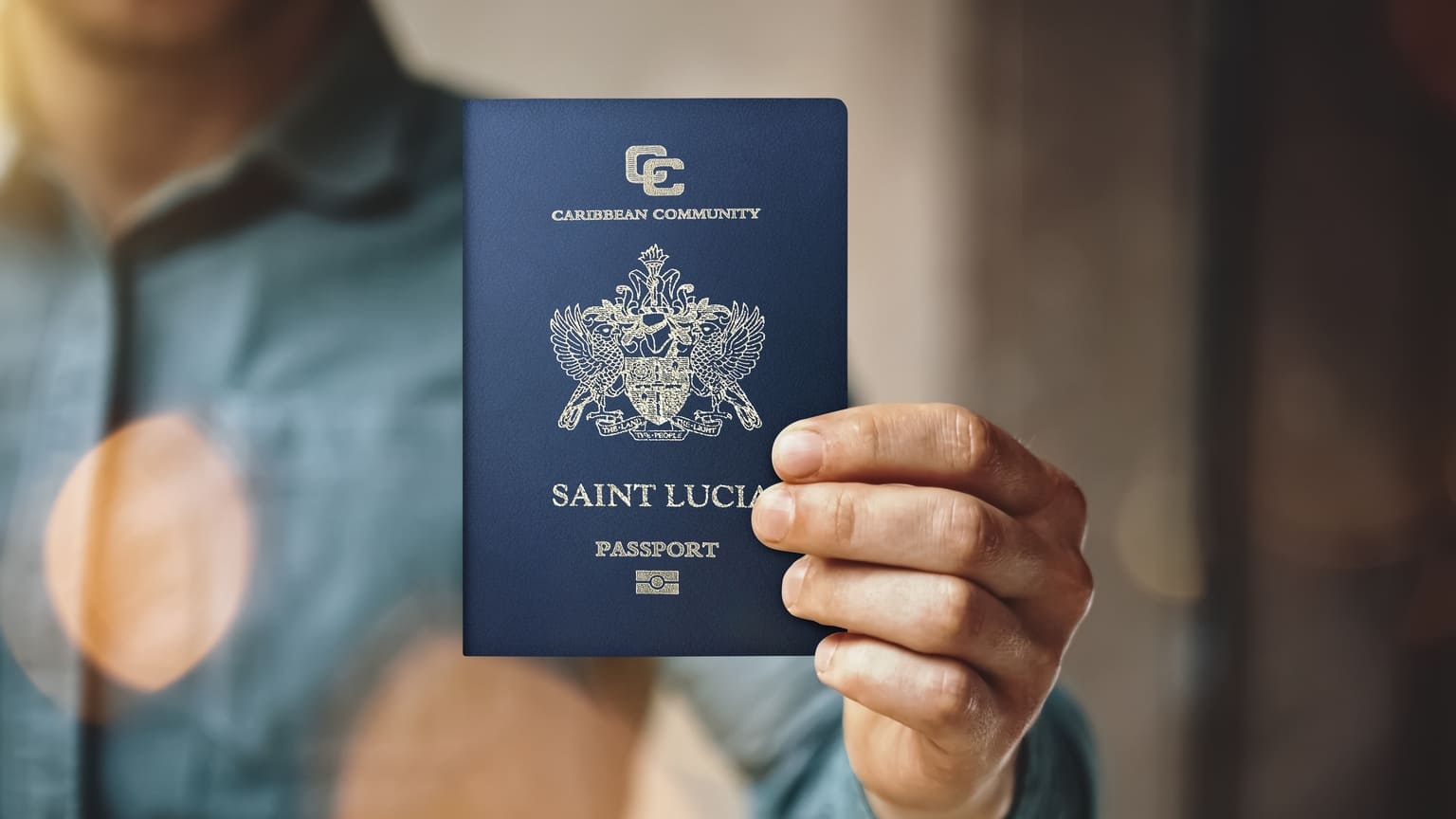
In an increasingly connected world, holding nationality in more than one country has become an important consideration for individuals, families, and international investors. Dual nationality can provide access to different countries, expanded travel opportunities, and additional personal or professional options. However, the legal recognition of multiple nationalities depends on the laws of the countries involved.
Not every government follows the same approach to dual nationality. Some permit individuals to maintain multiple citizenships, while others impose restrictions or require applicants to make specific declarations. Understanding these differences is essential before pursuing another nationality.
Understanding International Legal Recognition of Dual Nationality
Dual nationality refers to a situation in which an individual is legally recognized as a citizen of two countries at the same time. Each country determines its own nationality rules, including how citizenship is acquired, maintained, or lost. International legal recognition depends on whether the relevant national laws allow an individual to hold multiple citizenships.
Some individuals acquire another nationality through birth, family descent, naturalization, or marriage. Others may qualify through approved investment-based programs. Citizenship by investment can provide eligible applicants with an additional nationality after they meet the required financial, legal, and due diligence conditions. However, obtaining citizenship from one country does not automatically mean that the person's original country will recognize or permit the additional nationality.
How Different Countries Approach Dual Nationality
Countries have different policies regarding multiple citizenship. Some generally allow their citizens to acquire another nationality without losing their original status. Others restrict dual nationality or require individuals to follow specific procedures when obtaining foreign citizenship.
These differences can affect people who move abroad, marry foreign nationals, or acquire citizenship through naturalization. For example, an individual may be recognized as a citizen by one country but face restrictions under the nationality laws of another.
Before applying for another nationality, individuals should review the official regulations of both countries. Understanding whether citizenship can be retained, whether notification is required, and whether any renunciation rules apply can help prevent unexpected legal complications.
Legal Rights and Responsibilities of Dual Nationals
Holding two nationalities may provide individuals with legal rights in both countries. Depending on local legislation, these rights may include access to public services, voting eligibility, education opportunities, and the ability to live or work without certain immigration restrictions.
However, dual nationality can also create additional responsibilities. Some countries impose tax obligations based on citizenship, residence, income, or other legal connections. Others may have military service requirements or specific civic duties.
Individuals who obtain Citizenship by investment should understand that receiving another passport does not automatically remove their existing legal responsibilities. Taxation, reporting requirements, and other obligations depend on the laws of the relevant jurisdictions. Seeking qualified legal and tax advice can help clarify these matters.
Impact on International Travel and Passport Use
One of the commonly discussed advantages of dual nationality is greater flexibility when travelling internationally. Each passport may provide different visa-free or visa-on-arrival access, depending on agreements between countries.
However, dual nationals must understand the entry and exit requirements that apply to them. Some countries require their citizens to enter or leave using that country's passport, even when they hold another nationality. Airlines and border authorities may also request specific travel documents.
Before travelling, individuals should check passport validity, visa requirements, and local border regulations. Having two passports does not guarantee unrestricted international travel, and entry decisions remain subject to applicable immigration laws.
Family Rights and Nationality Inheritance
Dual nationality can also influence family planning and the legal status of children. Some countries allow citizenship to pass from parents to children through descent, while others apply additional conditions based on birthplace, parental status, or registration deadlines.
Spouses may also have different pathways to acquire nationality, depending on marriage and residence regulations. However, marriage does not automatically grant citizenship in every country.
Families should maintain accurate birth certificates, marriage records, and other civil documents. Understanding nationality inheritance rules can help parents determine whether their children may qualify for one or more nationalities and what applications may be necessary.
Legal Challenges and Important Considerations
Managing multiple nationalities can involve legal challenges, particularly when countries have conflicting regulations. Issues may arise involving taxation, inheritance, military obligations, public responsibilities, and access to consular assistance.
Another important consideration is that nationality laws can change over time. A country that currently permits dual nationality may introduce new conditions or procedures. Individuals should monitor official government announcements and seek professional advice when their circumstances change.
Careful research before applying can help applicants understand possible restrictions and avoid relying on assumptions about international recognition.
Conclusion
International legal recognition plays an important role in determining the rights and responsibilities of people holding multiple nationalities. Individuals should understand the nationality laws of both countries, review travel requirements, and consider any financial or legal obligations before making a decision. Whether acquiring another nationality through family connections, naturalization, or Citizenship by investment, proper research and qualified legal guidance can help individuals make informed decisions and manage their international status responsibly.
Frequently Asked Questions (FAQs)
1. What does international legal recognition of dual nationality mean?
It refers to whether a country's laws recognize an individual as legally holding citizenship in more than one country.
2. Do all countries recognize dual nationality?
No. Some countries permit multiple citizenships, while others restrict them or require individuals to follow specific legal procedures.
3. Can dual nationals hold two valid passports?
Yes. If both countries recognize the individual's citizenship and issue valid passports, the person may legally hold both.
4. Do people with dual nationality have legal responsibilities in both countries?
Potentially, yes. Responsibilities may include taxation, military service, reporting requirements, and other obligations depending on each country's laws.
5. Can children automatically receive dual nationality from their parents?
In some countries, children can acquire nationality through their parents. However, eligibility depends on nationality laws, parental status, birthplace, and registration requirements.

 English
 French
 Spanish
 Portuguese
 Deutsch
 Turkish
 Dutch
 Italiano
 Russian
 Romaian
 Portuguese (Brazil)
 Greek
