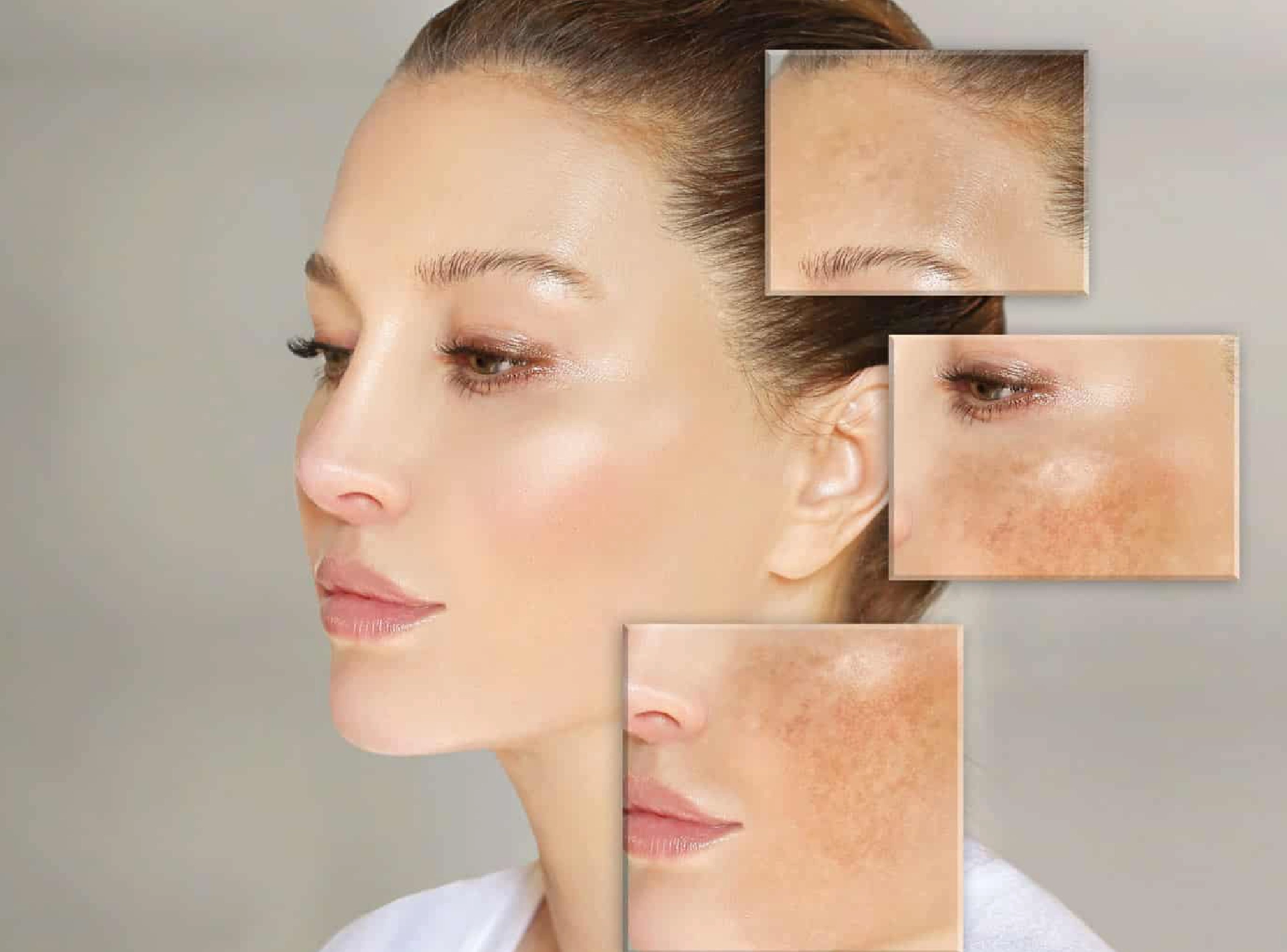
Melasma is a persistent skin condition that causes uneven brown or gray patches, most commonly on the face, and it often requires professional intervention for meaningful improvement. Many patients explore dermatology clinics after struggling with over-the-counter products that fail to deliver long-term results. Modern dermatology now offers a range of advanced procedures, and one of the most commonly discussed options is Laser Melasma Treatment, which is often combined with other therapies to improve stubborn pigmentation more effectively. Understanding what happens before, during, and after professional treatment helps set realistic expectations and improves overall results.
Initial Consultation and Skin Assessment:
The first step in any professional melasma treatment plan is a detailed consultation with a dermatologist, where the skin is carefully examined to determine the type and depth of pigmentation. Melasma can be epidermal, dermal, or mixed, and each type responds differently to treatment. Dermatologists also review medical history, hormonal factors, lifestyle habits, and previous skincare routines to design a safe and effective plan. Advanced imaging tools may be used to analyze pigment distribution beneath the skin surface. During this stage, patients are typically advised on:
Skin type classification
Melasma severity assessment
Trigger identification
Suitable treatment options
Expected timeline for results
Personalized Treatment Planning:
After evaluation, a customized treatment plan is created based on the patient’s specific condition. Dermatologists rarely rely on a single procedure because melasma requires a combination approach for long-term control. The plan may include topical medications, chemical peels, microneedling, oral medications, or laser-based procedures depending on severity. Lifestyle modifications such as sun protection and skincare adjustments are also included. This personalized strategy ensures that treatment targets both pigmentation and underlying causes while minimizing risks of irritation or recurrence.
Prescription Skincare Before Procedures:
Before beginning in-office procedures, patients are often placed on a pre-treatment skincare regimen to prepare the skin and improve treatment outcomes. This phase usually includes depigmenting agents, retinoids, and sunscreen to stabilize melanin production and strengthen the skin barrier. Preparing the skin helps reduce inflammation during procedures and lowers the risk of post-treatment pigmentation. Common pre-treatment recommendations include:
Daily use of broad-spectrum sunscreen
Application of lightening agents like hydroquinone or azelaic acid
Gentle cleansing routines
Avoidance of harsh exfoliants
Consistent hydration and barrier repair products
What Happens During Chemical Peels:
Chemical peels are commonly used in professional melasma treatment to exfoliate damaged skin layers and promote cell renewal. During the procedure, a dermatologist applies a controlled acid solution to the skin, which may cause mild tingling or warmth. The solution is left on for a specific time before being neutralized or removed. Depending on the strength of the peel, patients may experience light flaking or peeling over several days. These treatments are typically performed in multiple sessions to gradually improve pigmentation without causing excessive irritation.
Experience During Microneedling Sessions:
Microneedling procedures involve the use of fine needles to create microchannels in the skin, stimulating collagen production and enhancing product absorption. A topical numbing cream is usually applied beforehand to minimize discomfort. During the procedure, patients may feel mild pressure or vibration as the device moves across the skin. In many clinics, serums containing tranexamic acid or vitamin C are applied during or after treatment to enhance pigment reduction. This method is especially useful for improving skin texture along with melasma correction.
What to Expect from Laser-Based Procedures:
Laser treatments are among the most advanced options for managing stubborn pigmentation and are performed with precision-controlled devices. Before starting, protective eyewear is provided, and a cooling gel may be applied to the skin. Patients typically feel a mild snapping sensation as the laser targets pigment clusters beneath the surface. Depending on the device used, downtime may vary from minimal redness to slight swelling. In some treatment plans, Laser Melasma Treatment is integrated with other procedures to improve outcomes while minimizing risks. Common expectations during and after laser sessions include:
Mild redness or warmth immediately after treatment
Temporary darkening of pigmentation before fading
Gradual lightening over several weeks
Multiple sessions for best results
Strict sun protection requirements
Role of Oral Medications in Treatment:
In some cases, dermatologists may prescribe oral medications such as tranexamic acid to help regulate pigment formation from within the body. These medications are typically used in combination with topical and procedural treatments for better long-term control. Patients are monitored regularly to ensure safety and effectiveness. Oral therapies are especially useful for individuals with recurrent or hormonally influenced melasma.
Post-Treatment Recovery and Skin Care:
After professional procedures, proper aftercare is essential for achieving optimal results and preventing complications. The skin becomes more sensitive during the healing phase, so gentle skincare and strict sun protection are crucial. Dermatologists usually recommend avoiding direct sun exposure, heat, and harsh skincare products during recovery. Recovery expectations often include:
Temporary redness or sensitivity
Gradual improvement over several weeks
Need for consistent sunscreen application
Use of calming and hydrating skincare
Avoidance of exfoliation or active ingredients initially
Long-Term Maintenance and Prevention:
Melasma is a chronic condition, which means long-term maintenance is necessary even after visible improvement. Without ongoing care, pigmentation can return due to triggers like sunlight, heat, or hormonal changes. Maintenance plans often include periodic treatments, continued use of topical medications, and strict sun protection. Dermatologists may also recommend follow-up sessions of Laser Melasma Treatment or other procedures depending on recurrence risk. Preventive habits include:
Daily sunscreen application
Wearing protective clothing and hats
Avoiding peak sun exposure
Using antioxidant-rich skincare
Regular dermatology check-ups
Final Thoughts:
Professional melasma treatment involves a carefully structured process that combines medical evaluation, personalized therapy, advanced procedures, and long-term maintenance. While results vary depending on skin type and pigmentation severity, most patients experience gradual improvement when following a consistent treatment plan. With modern dermatological advancements and proper aftercare, melasma can be effectively managed, leading to clearer and more even-toned skin over time.




 English
 Arabic
 French
 Spanish
 Portuguese
 Deutsch
 Turkish
 Dutch
Dutch
 Italiano
 Russian
 Portuguese (Brazil)
 Greek
Greek
