


The Science Behind Fractional CO2 Laser Treatment for Skin Resurfacing
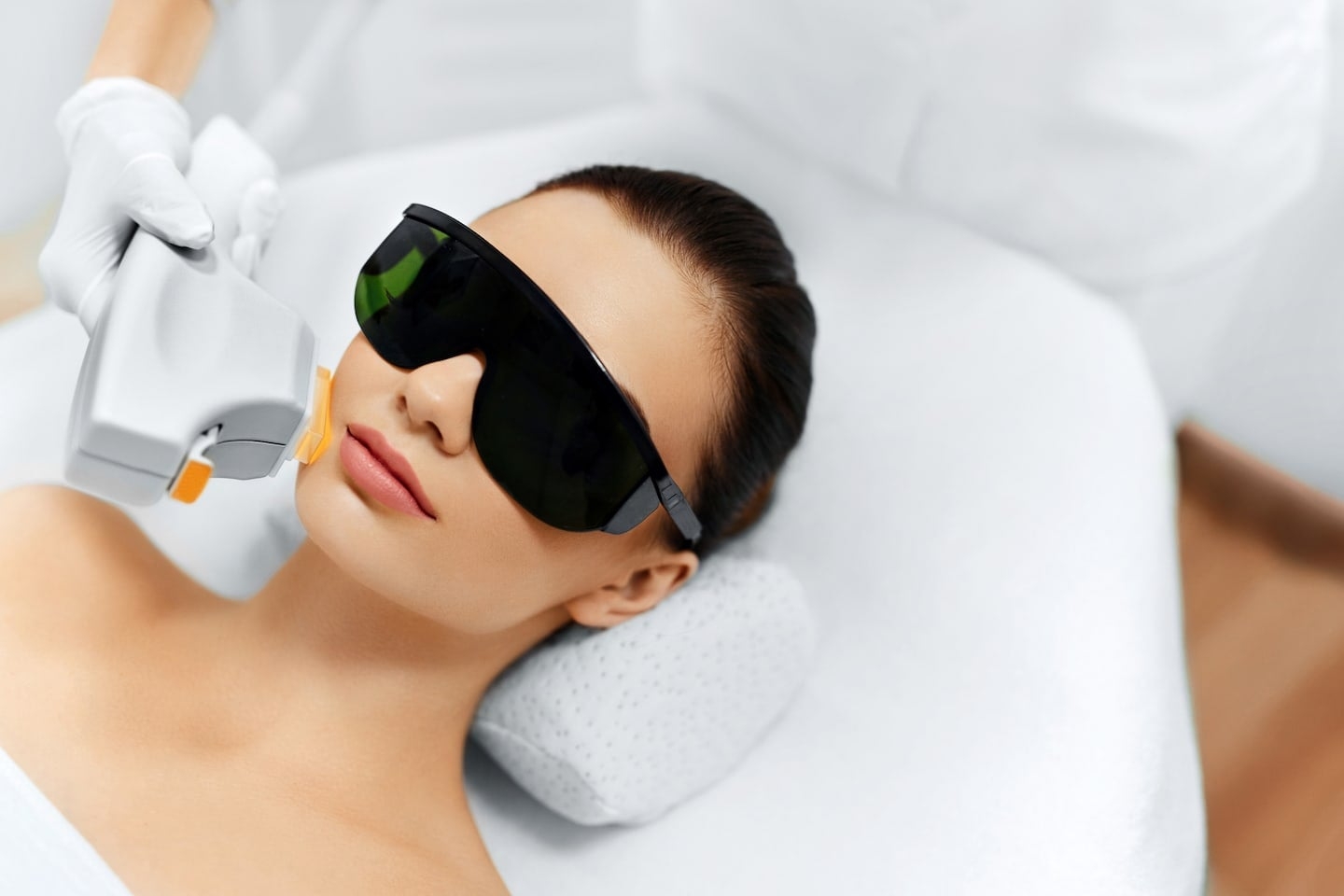
Modern dermatology has made it possible to repair and rejuvenate skin at a structural level using advanced laser technology that goes far beyond traditional skincare methods. One of the most scientifically advanced procedures in this field is Fractional CO2 Laser Treatment in Riyadh, which is widely used for resurfacing damaged skin, improving texture, and stimulating deep collagen regeneration. What makes this treatment remarkable is not just its visible results, but the biological processes it activates within the skin, leading to long-term rejuvenation from the inside out.
The Biological Structure of the Skin:
To understand how fractional CO2 laser works, it is important to first understand the skin’s layered structure. Human skin consists of three main layers, each playing a critical role in protection, elasticity, and regeneration. Aging, sun exposure, and environmental damage gradually weaken these layers, resulting in visible skin concerns.
Main skin layers include:
- Epidermis: outer protective barrier
- Dermis: collagen and elastin-rich middle layer
- Subcutaneous layer: deeper fat and connective tissue
Key functions affected by aging:
- Reduced collagen production
- Slower cell turnover
- Loss of elasticity and firmness
- Thinner skin texture
- Increased susceptibility to damage
Fractional CO2 laser targets these structural weaknesses at multiple levels.
How Fractional CO2 Laser Technology Works:
Fractional CO2 laser uses carbon dioxide-based laser energy to create thousands of microscopic treatment zones in the skin. These controlled injuries stimulate the body’s natural healing response while leaving surrounding tissue intact, which significantly speeds up recovery compared to traditional resurfacing methods.
Core mechanisms include:
- Delivery of precise thermal energy into skin layers
- Creation of micro-injury columns
- Activation of wound-healing response
- Stimulation of fibroblast cells
- Controlled tissue regeneration
This fractional approach ensures both safety and effectiveness in skin resurfacing.
The Science of Controlled Skin Injury:
The effectiveness of laser resurfacing lies in a principle known as controlled dermal injury. Instead of damaging the entire skin surface, fractional CO2 laser targets only a fraction of it, triggering a powerful healing cascade without overwhelming the tissue.
Biological responses triggered:
- Inflammation phase activation
- Removal of damaged skin cells
- Release of growth factors
- Migration of repair cells
- Formation of new collagen fibers
This structured healing process is what leads to long-term skin improvement.
Collagen Remodeling and Skin Renewal:
Collagen is the key structural protein responsible for skin firmness, elasticity, and smoothness. As we age, collagen production slows down significantly, leading to wrinkles and sagging skin. Fractional CO2 laser stimulates a process called collagen remodeling, which rebuilds the skin from within.
How collagen remodeling works:
- Fibroblast activation in the dermis
- Breakdown of old, damaged collagen
- Production of new collagen fibers
- Reorganization of skin structure
- Gradual tightening and smoothing effect
This biological regeneration continues for months after treatment.
Why Fractional Technology Is More Advanced:
Unlike traditional ablative lasers that remove the entire top layer of skin, fractional technology treats only targeted sections, making it safer and more efficient. This innovation allows for deeper penetration with reduced downtime.
Advantages of fractional approach:
- Faster healing time
- Lower risk of complications
- Controlled depth of treatment
- Customizable intensity levels
- Suitable for multiple skin types
This makes it a preferred option in modern aesthetic dermatology, including Fractional CO2 Laser Treatment in Riyadh.
Cellular Response and Tissue Repair:
At the cellular level, fractional CO2 laser triggers a highly organized repair process. The skin responds as if it has experienced a controlled injury, initiating a cascade of biological events that lead to regeneration.
Key cellular events include:
- Keratinocyte migration for surface repair
- Fibroblast activation for collagen production
- Increased blood flow to treated areas
- Release of cytokines and growth factors
- Formation of new extracellular matrix
These processes work together to rebuild healthier skin.
Effects on Acne Scars and Wrinkles:
One of the most scientifically proven applications of fractional CO2 laser is the treatment of acne scars and aging-related wrinkles. These conditions result from structural damage beneath the skin surface, which requires deep regenerative intervention.
Scientific improvements include:
- Filling of depressed acne scars
- Smoothing of uneven skin texture
- Reduction of fine lines and deep wrinkles
- Thickening of dermal layers
- Improved skin elasticity
These changes occur gradually as collagen continues to remodel.
Heat Distribution and Precision Control:
A key scientific advantage of CO2 laser technology is its ability to precisely control heat distribution within the skin. This ensures targeted damage without harming surrounding healthy tissue, which is essential for safe resurfacing.
Heat-related effects include:
- Vaporization of damaged skin columns
- Thermal coagulation for collagen stimulation
- Controlled depth penetration
- Preservation of surrounding skin integrity
- Reduced healing complications
This precision is what makes fractional lasers highly effective and safe.
Healing Cascade and Regeneration Timeline:
The healing process after fractional CO2 laser follows a predictable biological timeline, which is essential for achieving optimal results. Each phase contributes to progressive skin improvement.
Healing stages include:
- Immediate phase: inflammation and redness
- Early phase (3–7 days): peeling and renewal
- Intermediate phase (2–4 weeks): texture improvement
- Remodeling phase (1–6 months): collagen rebuilding
- Long-term phase: continued skin strengthening
This extended regeneration period is what delivers lasting results.
Scientific Basis for Long-Term Results:
Unlike topical treatments that only affect the surface, fractional CO2 laser changes the skin’s underlying structure. This structural transformation is what leads to long-term improvements in texture, tone, and firmness.
Long-term scientific outcomes:
- Increased dermal thickness
- Enhanced collagen density
- Improved skin resilience
- Reduced scar visibility
- Sustained anti-aging effects
These results explain why patients seek Fractional CO2 Laser Treatment in Riyadh for lasting skin rejuvenation.
Safety Mechanisms and Skin Protection:
Modern fractional laser systems include advanced safety features that regulate energy delivery and protect surrounding tissue. These mechanisms ensure controlled treatment and reduce the risk of complications.
Safety features include:
- Adjustable energy settings
- Fractional targeting systems
- Real-time depth control
- Skin cooling technology
- Precision scanning patterns
These innovations make the procedure both effective and predictable.
Final Thoughts
The science behind skin resurfacing demonstrates how Fractional CO2 Laser Treatment in Riyadh works at a deep biological level to transform damaged skin into healthier, more youthful tissue. By triggering controlled injury, stimulating collagen production, and activating natural healing pathways, the treatment delivers long-lasting structural improvements rather than temporary cosmetic changes. When performed with proper technique and aftercare, Fractional CO2 Laser Treatment in Riyadh stands as one of the most advanced and scientifically supported methods for comprehensive skin rejuvenation.

 English
 Arabic
 French
 Spanish
 Portuguese
 Deutsch
 Turkish
 Italiano
 Russian
 Romaian
 Portuguese (Brazil)
 Greek
Greek
