


Understanding the HIV Blood Test Process Step by Step
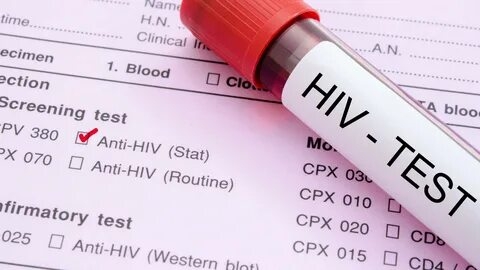
For many people, the idea of taking an HIV blood test can feel overwhelming. Questions about the procedure, accuracy, results, and what happens afterward often create anxiety. However, understanding the HIV blood test process step by step can make the experience much easier and less stressful.
An HIV Blood Test in Dubai is one of the most reliable methods used to detect Human Immunodeficiency Virus (HIV). Thanks to advancements in medical diagnostics, today's HIV screening methods are highly accurate, efficient, and capable of identifying infection at earlier stages than ever before.
Whether you are considering routine HIV screening, testing after a potential exposure, or simply learning more about the process, this guide walks you through every stage of an HIV blood test—from the decision to get tested to understanding your final results.
Recognizing Why HIV Testing Is Important:
Every healthcare journey begins with awareness. HIV testing is not only for individuals who believe they have been exposed to the virus. Modern healthcare providers recommend routine HIV screening as part of preventive health management.
HIV can remain in the body for years without causing obvious symptoms. During this period, the virus may continue affecting the immune system while remaining undetected.
Testing helps individuals:
-
Know their HIV status
-
Access treatment if needed
-
Protect their immune health
-
Reduce transmission risks
-
Make informed healthcare decisions
The first step in the HIV blood testing process is understanding that knowledge is a powerful tool for maintaining long-term wellness.
Scheduling or Requesting an HIV Blood Test:
Once a person decides to get tested, the next stage involves arranging the test.
Healthcare professionals may recommend HIV testing during:
-
Routine health checkups
-
Sexual health screenings
-
Pregnancy care
-
Follow-up after potential exposure
-
Preventive healthcare assessments
During the consultation, healthcare providers may ask questions about medical history, previous HIV testing, current symptoms, and possible risk factors.
These questions help determine which HIV testing method is most appropriate.
Learning About the Different HIV Blood Tests:
Before the blood sample is collected, it helps to understand the testing methods available.
Different HIV blood tests detect different biological markers associated with infection.
Antibody Tests:
These tests identify antibodies produced by the immune system after HIV exposure.
Antigen-Antibody Tests:
These advanced screening methods detect both HIV antibodies and p24 antigens. Because antigens appear earlier than antibodies, these tests support earlier diagnosis.
Nucleic Acid Tests:
Nucleic acid testing directly detects HIV RNA in the bloodstream. This method is particularly useful when recent infection is suspected.
Healthcare providers select the most appropriate test based on the individual's circumstances and testing timeline.
Preparing for the HIV Blood Test:
One common misconception is that HIV testing requires extensive preparation.
In reality, most HIV blood tests require very little preparation.
Generally, individuals can:
-
Eat normally
-
Drink water as usual
-
Continue regular daily activities
-
Take prescribed medications unless instructed otherwise
Some people find it helpful to write down questions before their appointment. Understanding the process beforehand can reduce stress and improve confidence.
Arriving for the Testing Appointment:
When arriving for the appointment, healthcare staff typically verify personal information and review relevant medical details.
Depending on the healthcare setting, patients may receive information regarding:
-
HIV testing procedures
-
Test accuracy
-
Confidentiality policies
-
Follow-up recommendations
-
Result delivery timelines
This stage allows individuals to address concerns and gain a clearer understanding of what to expect.
Blood Sample Collection:
The actual blood collection process is often the quickest part of the entire HIV testing journey.
A healthcare professional will:
-
Clean the skin with an antiseptic solution.
-
Apply a tourniquet to locate a suitable vein.
-
Insert a sterile needle into the vein.
-
Collect a small blood sample.
-
Remove the needle and apply a bandage.
Most people experience only mild discomfort during the blood draw.
The procedure typically takes only a few minutes.
Laboratory Processing and Analysis:
After the sample is collected, it is sent to a laboratory for examination.
This stage is where sophisticated diagnostic technology comes into play.
Laboratory specialists analyze the blood sample to identify HIV-related markers such as:
-
HIV antibodies
-
HIV antigens
-
Viral genetic material
Modern HIV diagnostics use highly sensitive testing methods that improve accuracy and support early detection.
The laboratory process helps ensure reliable results and minimizes the possibility of testing errors.
Understanding the HIV Window Period:
While waiting for results, it is important to understand a key concept known as the HIV window period.
The window period refers to the time between HIV exposure and the point when a test can accurately detect infection.
During this stage:
-
HIV may already be present in the body
-
Symptoms may or may not appear
-
Test markers may not yet be detectable
Different HIV tests have different window periods because they measure different indicators of infection.
Understanding this concept helps individuals interpret results correctly and recognize when follow-up testing may be necessary.
Receiving HIV Test Results:
After laboratory analysis is complete, healthcare providers communicate the results.
Receiving results can be an emotional moment, which is why healthcare professionals often provide guidance and support throughout the process.
There are generally three possible outcomes.
Negative Result:
A negative result means no evidence of HIV infection was detected during testing.
However, if testing occurred during the window period, additional testing may be recommended later.
Positive Result:
A positive result indicates that HIV markers were identified.
Healthcare providers usually perform confirmatory testing to ensure diagnostic accuracy before making a final diagnosis.
Indeterminate Result:
Occasionally, results may be inconclusive.
In such situations, further testing is recommended to obtain a clear answer.
Discussing Next Steps With a Healthcare Professional:
The testing process does not end when results are delivered.
Healthcare providers help patients understand the meaning of their results and recommend appropriate next actions.
For negative results, discussions may focus on:
-
HIV prevention strategies
-
Future screening recommendations
-
Sexual health education
-
Risk reduction practices
For positive results, healthcare providers typically discuss:
-
Confirmatory testing
-
Treatment options
-
Antiretroviral therapy
-
Long-term health management
-
Support resources
This stage ensures individuals receive the information necessary to make informed healthcare decisions.
Common Concerns About the HIV Blood Test Process:
Many first-time test takers share similar concerns.
Is the test painful?
Most people report only minor discomfort from the blood draw.
How long does the process take?
Sample collection generally takes only a few minutes, though laboratory processing times vary.
Is HIV testing confidential?
Healthcare providers follow strict privacy and confidentiality standards regarding medical information.
Can HIV be detected before symptoms appear?
Yes. Modern HIV testing methods can often detect infection before symptoms develop.
Are HIV blood tests accurate?
Current HIV screening technologies offer a very high level of accuracy when performed at the appropriate time after exposure.
Why Early HIV Detection Matters?
One of the primary goals of HIV blood testing is early detection.
When HIV is diagnosed early, individuals can begin treatment before significant immune system damage occurs.
Benefits of early diagnosis include:
-
Improved treatment outcomes
-
Better immune system protection
-
Reduced viral load
-
Lower transmission risk
-
Enhanced quality of life
Advances in HIV treatment have transformed HIV into a manageable chronic condition for many individuals who receive timely medical care.
The Role of Routine HIV Screening in Preventive Healthcare:
Healthcare professionals increasingly view HIV testing as a routine part of preventive medicine.
Just as individuals monitor blood pressure, cholesterol, and blood sugar levels, HIV screening supports overall health awareness.
Routine HIV testing helps:
-
Identify infections earlier
-
Support public health efforts
-
Improve access to treatment
-
Encourage responsible healthcare practices
Regular screening empowers individuals to take an active role in protecting their health.
Conclusion:
Understanding the HIV blood Lab tests process step by step removes much of the uncertainty that often surrounds HIV screening. From scheduling the test and providing a blood sample to interpreting results and discussing follow-up care, each stage serves an important purpose in achieving accurate diagnosis and better health outcomes.
Modern HIV blood tests are safe, reliable, and designed to detect infection as early as possible. Whether testing is performed as part of routine healthcare or following a potential exposure, knowing what to expect can make the experience far more comfortable and informative. Ultimately, HIV testing is not just a medical procedure—it is a proactive step toward informed healthcare, early intervention, and long-term well-being.

 English
 Arabic
 French
 Spanish
 Portuguese
 Deutsch
 Turkish
 Dutch
Dutch
 Italiano
 Romaian
 Portuguese (Brazil)
 Greek
Greek
