


Why Are More Experienced Anglers Switching to a Left-Hand Baitcast Reel?
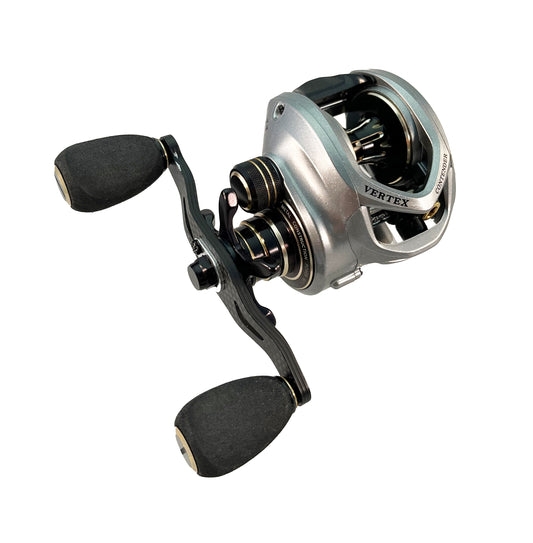
Seasoned anglers know gear choices matter. A left-hand baitcast reel might seem like an odd pick for a right-handed person, but experienced fishermen keep making the switch. And once they do, most never look back. So, what's the pull? It comes down to efficiency, control, and smart mechanics on the water.
Understanding the Right-Hand vs. Left-Hand Debate
First, a quick breakdown. A right-hand retrieve reel means you crank the handle with your right hand. So, after casting with your right hand, you have to switch the rod over to reel in. A left-hand retrieve reel means the handle is on the left side. A right-handed angler casts with the right hand and immediately starts reeling without ever switching. No fumbling. No delay. Just cast and go. It sounds like a small thing. Over the course of a full day on the water, though, it adds up fast.
The Casting Efficiency Argument
Here's where left-handed baitcasters really shine. Right-handed anglers using a right-hand reel lose a split second every single cast. They have to shift the rod from the casting hand to the non-dominant hand before they can start reeling. Multiply that by hundreds of casts in a day, and the math starts making sense.
With a left-hand baitcast reel, the rod never changes hands. The dominant hand stays on the rod throughout the entire cast and retrieve. The result is a faster, cleaner rhythm. More casts in a day mean more chances at a bite.
Dominant Hand Control Makes a Real Difference
Casting efficiency is just one part of the picture. The bigger deal for experienced anglers is what happens when a fish bites. Setting the hook takes snap and strength. Fighting a fish requires steady pressure and muscle endurance. Holding the rod in the dominant hand gives anglers a serious edge in both situations.
With a right-hand reel, a right-handed angler ends up holding the rod in their left hand during the fight. The weaker hand is doing the heavy lifting. A left-hand reel fixes this entirely. The dominant hand holds the rod. The non-dominant hand cranks. The fish ends up in the net more often. For tournament anglers, where every single bite counts, this kind of control is not something to overlook.
How Does This Compare to a Spinning Reel Setup?
Interestingly, right-handed anglers almost always use a left-hand retrieve spinning reel without thinking twice about it. It feels natural. The rod stays in the right hand, and the left hand cranks. Bass fishing with a spinning reel already follows this logic. The dominant hand holds the rod; the non-dominant hand handles the reel. So why do so many of the same anglers flip the script when picking up a baitcaster?
Old habits and early instruction are usually the culprits. Anglers learn on right-hand baitcasters because right-hand reels are more common on store shelves. Over time, though, experienced fishermen start questioning the setup and making the switch.
The Mental Side of Switching
Making the change from a right-hand to a left-hand baitcast reel feels awkward at first. There's no sugarcoating it. The muscle memory built over years has to be rewired. Still, most anglers who stick with the adjustment report that the transition becomes comfortable within a few weeks. After that, going back to a right-hand reel feels like trying to write with the wrong hand. The short-term discomfort is worth the long-term payoff.
A Note on Product Availability
Right-hand baitcasters sell faster because the majority of anglers still reach for them by default. As a result, left-hand reels often stay in stock longer at tackle shops. Premium models at various price points tend to be easier to snag without a wait. For anglers hunting specific high-performance gear, this availability edge is a practical bonus worth considering.
Who Benefits Most from Making the Switch?
The left-hand baitcaster setup works best for:
- Right-handed anglers who want more control during hook sets and fish fights
- Tournament fishermen who need every efficiency advantage they can get
- Anglers upgrading from spinning reels who are already comfortable with a left-hand retrieve
- Anyone who wants to fish more water and cover more casts per trip
Bass fishing with a spinning reel already trains the dominant-hand-on-rod instinct. A left-hand baitcaster simply carries that same logic into heavier, more powerful reel territory.
Final Thoughts
The switch to a left-hand baitcast reel is not just a quirky preference. It is a practical decision backed by real on-water advantages. Faster casting, stronger hook sets, better fish control, and a more natural retrieve all point in the same direction. Experienced anglers recognize the edge and go after it. The water doesn't care which hand you crank with. But the fish count at the end of the day just might.

 English
 French
 Spanish
 Portuguese
 Deutsch
 Turkish
 Dutch
Dutch
 Italiano
 Russian
 Romaian
 Portuguese (Brazil)
 Greek
Greek
