


Marriage Blood Test and Genetic Screening: What Couples Need to Know
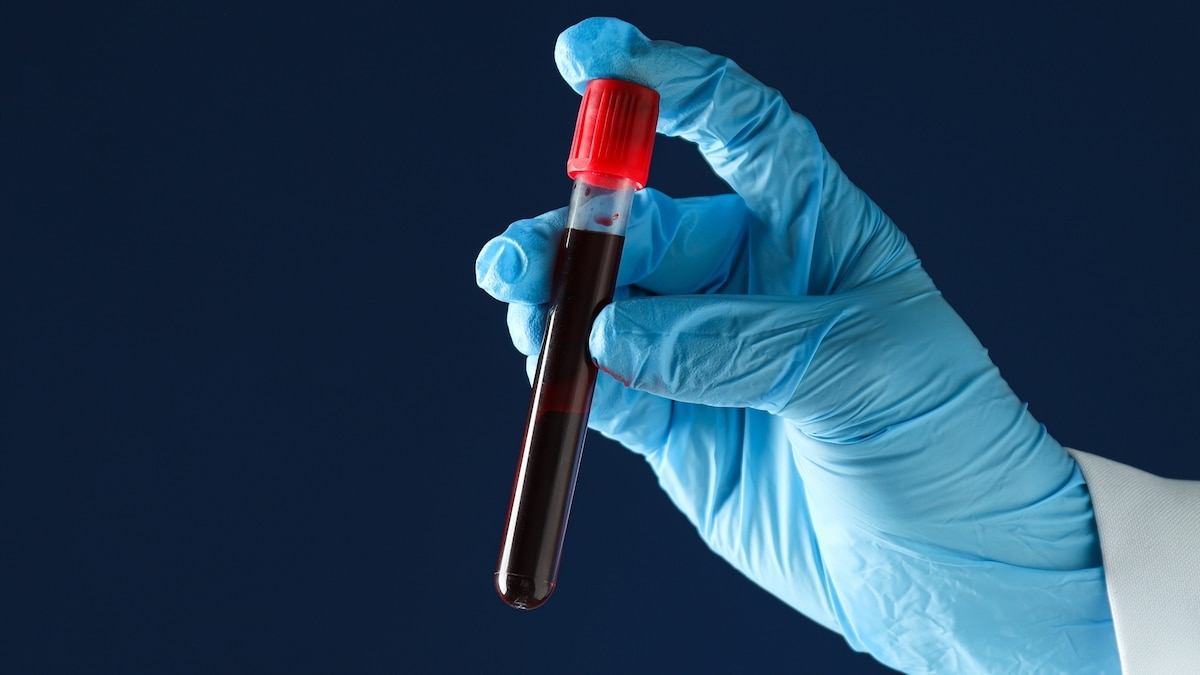
Marriage is often associated with love, commitment, and shared dreams, but preparing for a successful future together also involves making informed health decisions. Among the most valuable steps couples can take before marriage is undergoing a Marriage Blood Test in Dubai and genetic screening. These medical evaluations provide important insights into inherited conditions, infectious diseases, and overall reproductive health, allowing couples to plan their future with confidence.
Many people mistakenly believe premarital screening is only necessary when there is a family history of illness. In reality, genetic disorders and certain infections may remain unnoticed for years because they often produce no symptoms. Early screening helps couples understand potential health risks while offering access to medical guidance and preventive care.
What Is a Marriage Blood Test?
A marriage blood test is a collection of laboratory tests performed before marriage to evaluate the health of both partners. Depending on the healthcare provider and local medical recommendations, these tests may identify blood disorders, infectious diseases, blood group compatibility, and other health conditions that could affect the couple or their future children.
The primary goal is not to determine whether a couple should marry but to provide medical information that supports informed decisions about family planning, pregnancy, and long-term wellness.
Understanding Genetic Screening Before Marriage:
While a standard blood test checks current health indicators, genetic screening focuses on inherited conditions that can be passed from parents to children.
Every person carries thousands of genes, and some individuals unknowingly carry altered genes linked to inherited diseases. A person may remain completely healthy while still passing a genetic condition to their children if both partners carry the same genetic mutation.
Premarital genetic testing identifies carrier status for certain inherited disorders, allowing couples to seek genetic counseling before starting a family.
Why Healthcare Professionals Recommend Premarital Screening?
Medical experts encourage marriage blood tests and genetic screening because prevention is always better than treatment.
These screenings help couples:
-
Detect inherited blood disorders.
-
Identify infectious diseases early.
-
Understand blood group and Rh factor compatibility.
-
Reduce pregnancy-related complications.
-
Make informed reproductive decisions.
-
Receive appropriate vaccinations or treatment before conception.
-
Improve overall family health planning.
Having accurate medical information empowers couples instead of creating unnecessary fear.
Common Tests Included in Premarital Health Screening:
Although recommendations vary between countries and healthcare providers, most premarital screening programs include several important laboratory tests.
Blood Group and Rh Factor:
Knowing your blood type is essential, especially for future pregnancies. Rh incompatibility between partners does not prevent marriage, but healthcare providers may recommend additional monitoring during pregnancy if the mother is Rh-negative.
Complete Blood Count (CBC):
A CBC evaluates red blood cells, white blood cells, hemoglobin levels, and platelets. It helps detect anemia, infections, and certain blood disorders.
Thalassemia Screening:
Thalassemia is one of the most common inherited blood disorders worldwide. Carrier screening helps determine whether future children could inherit severe forms of the disease.
Sickle Cell Disease Testing:
In regions where sickle cell disease is common, screening identifies carriers before pregnancy planning begins.
HIV Screening:
Early detection allows timely treatment and greatly reduces the risk of transmission between partners or from mother to child during pregnancy.
Hepatitis B and Hepatitis C Tests:
These viral infections may remain symptom-free for many years. Identifying them early allows medical treatment and preventive measures.
Syphilis Screening:
Routine testing ensures early diagnosis and treatment before pregnancy or disease transmission.
Blood Sugar and General Health Tests:
Some healthcare providers also recommend diabetes screening, kidney function tests, or additional evaluations based on age and medical history.
Genetic Disorders That Screening May Detect:
Genetic screening focuses on identifying inherited conditions rather than diagnosing existing illnesses.
Depending on ethnic background, family history, and healthcare recommendations, testing may include screening for:
-
Thalassemia
-
Sickle cell anemia
-
Cystic fibrosis
-
Tay-Sachs disease
-
Spinal muscular atrophy
-
Fragile X syndrome
-
Certain inherited metabolic disorders
Not every couple requires every test. Physicians personalize recommendations according to individual risk factors.
Does Being a Carrier Mean You Are Sick?
This is one of the most misunderstood aspects of genetic screening.
A carrier usually has one normal gene and one altered gene for a specific inherited disorder. Most carriers never develop symptoms and live completely healthy lives.
However, if both partners carry the same genetic mutation, there is a higher chance their children could inherit the disease. This is why carrier screening before marriage is so valuable.
The Importance of Genetic Counseling:
Receiving genetic screening results is only the first step.
Genetic counselors help couples understand:
-
What carrier status means.
-
The likelihood of passing conditions to children.
-
Available reproductive options.
-
Prenatal testing possibilities.
-
Advances in fertility and reproductive medicine.
Counseling ensures couples receive clear, evidence-based information without unnecessary anxiety.
Preparing for Your Screening Appointment:
Preparing for a marriage blood test is generally simple, but following your healthcare provider's instructions improves accuracy.
You may be asked to:
-
Bring previous medical records.
-
Share your family health history.
-
Inform the doctor about current medications.
-
Fast before certain blood tests if instructed.
-
Discuss previous pregnancies or inherited conditions within the family.
Being open about your medical history allows healthcare professionals to recommend the most appropriate screening tests.
Benefits Beyond Pregnancy Planning:
Although many people associate premarital screening with having children, its advantages extend much further.
Marriage blood tests can uncover medical conditions that require treatment long before symptoms develop. Early diagnosis often leads to better health outcomes, lower medical costs, and improved quality of life.
Infectious disease screening also helps protect both partners by identifying treatable conditions before they spread or become more serious.
Most importantly, discussing health openly strengthens communication and trust within the relationship.
Frequently Asked Questions:
Is genetic screening necessary if neither partner has symptoms?
Yes. Many inherited disorders are carried silently without causing illness. Two healthy carriers can still have a child affected by a genetic condition.
Will abnormal results stop us from getting married?
No. Screening provides medical information, not legal approval or relationship advice. The purpose is to support informed healthcare decisions.
How accurate are genetic screening tests?
Modern laboratory techniques offer high levels of accuracy for many inherited conditions. In some cases, additional confirmatory testing may be recommended.
Is premarital screening confidential?
Yes. Medical information and laboratory results are protected under patient confidentiality and should only be shared with authorized healthcare professionals.
When is the best time to get tested?
Ideally, couples should complete marriage blood tests and genetic screening several months before their wedding or before planning a pregnancy. This allows enough time for follow-up consultations if needed.
Key Takeaways for Couples:
Choosing a marriage blood Lab tests and genetic screening is a proactive decision that supports both present and future health. These evaluations help identify inherited disorders, detect infectious diseases, assess blood compatibility, and provide valuable information for family planning.
Rather than creating uncertainty, premarital health screening offers reassurance, education, and opportunities for preventive care. Medical knowledge enables couples to work closely with healthcare professionals, understand potential risks, and make decisions that align with their personal values and future goals.
A strong marriage is built on honesty, communication, and preparation. Including health awareness as part of that preparation allows couples to begin their journey together with greater confidence, informed decision-making, and a shared commitment to lifelong well-being.

 English
 Arabic
 French
 Spanish
 Portuguese
 Deutsch
 Turkish
 Italiano
 Russian
 Romaian
 Portuguese (Brazil)
 Greek
Greek
