


The Ultimate Guide to Dental Implants: Biology, Procedure, Longevity, and Investment
For decades, individuals missing teeth had to rely on dental bridges or removable dentures. While these options restored basic functionality, they came with distinct drawbacks—including structural instability, implant teeth price in malaysia, and progressive jawbone deterioration.
Today, dental implants are the undisputed gold standard for replacing missing teeth. Acting as an engineered surrogate for natural anatomy, implants offer an unparalleled aesthetic match, permanent stability, and essential preservation of the underlying jaw structure. Whether you are dealing with a single missing tooth, a series of gaps, or require a full-arch restoration, understanding the biological mechanics, multi-stage timeline, and financial components of implant therapy is crucial to making an informed decision for your long-term health.
1. Anatomy and Engineering of an Implant System
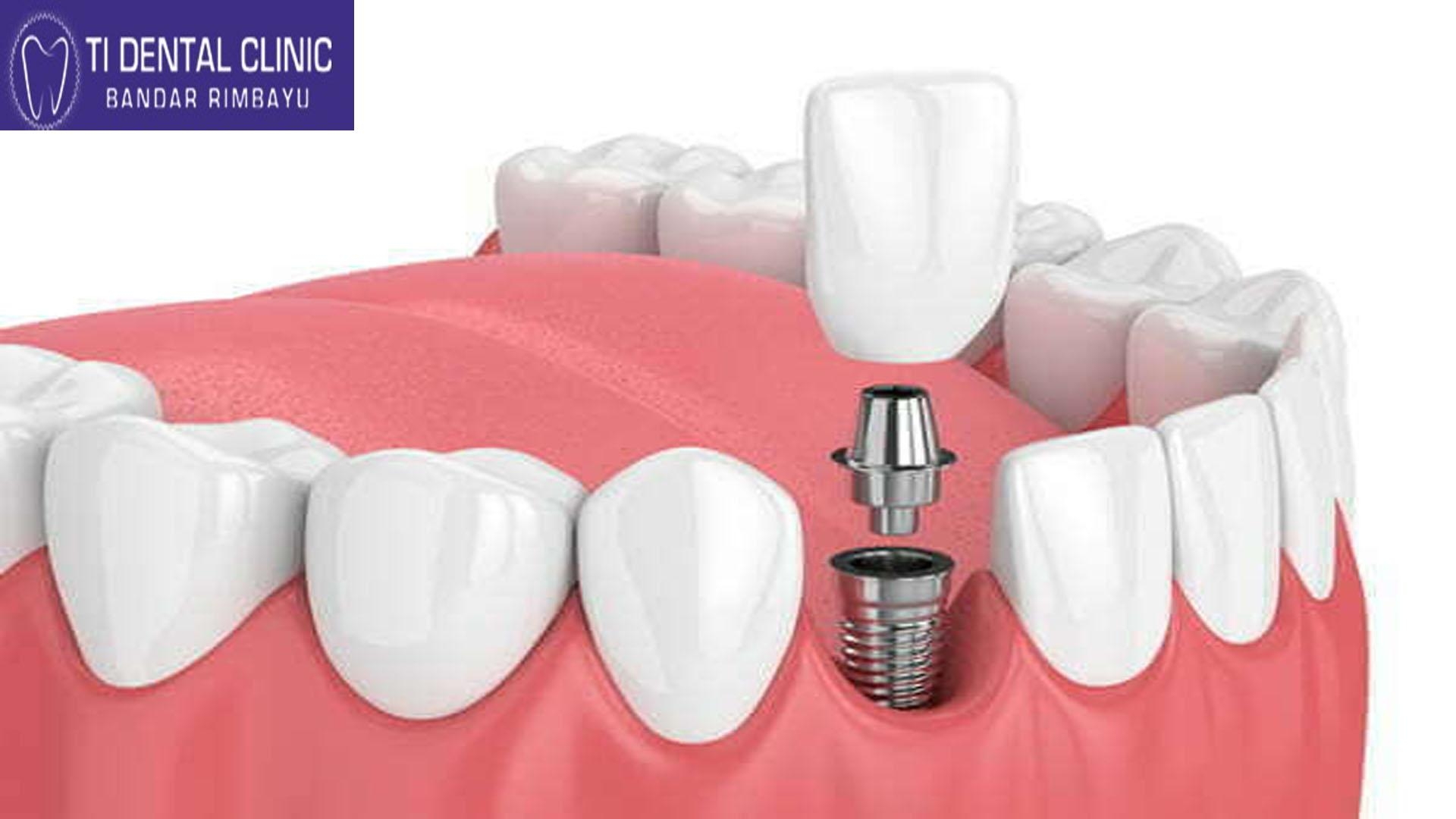
A dental implant is not simply an artificial tooth; it is a sophisticated, multi-piece prosthetic assembly designed to function below and above the gumline. To appreciate its structural integrity, one must look at its three fundamental components:
-
The Implant Post (Fixture): A small, threaded, screw-like post that acts as a replacement for the natural tooth root. It is surgically inserted into the jawbone. The vast majority of fixtures are manufactured from medical-grade titanium or titanium alloys, prized for their high strength and unique biocompatibility. Increasingly, zirconia (a high-strength ceramic) is utilized as a metal-free alternative.
-
The Abutment: A small connector element that is screwed into the top of the implant post after healing. It breaches the gumline, serving as the essential bridge that links the submerged fixture to the visible tooth replacement.
-
The Prosthesis (Crown, Bridge, or Denture): The custom-engineered, visible portion of the tooth. Usually made of porcelain, zirconia, or ceramic fused to metal, it is expertly shaded and shaped to mimic your surrounding teeth.
      [ Crown / Prosthesis ]  <-- Visible tooth structure
                │
         ==============       <-- Gumline
                │
         [   Abutment   ]     <-- Connector piece
                │
       [===============]
       [               ]
       [  Implant Post ]      <-- Threaded titanium root
       [   (Fixture)   ]      <-- Anchored directly into bone
       [===============]
2. The Biological Advantage: Why Implants Excel
When comparing dental implants to traditional alternatives like bridges or partial dentures, the primary advantages are biological rather than purely cosmetic.
Halting Progressive Bone Loss
The human body is remarkably efficient; it preserves bone mass only where it is actively needed. When a natural tooth is lost, the underlying alveolar bone (the part of the jaw holding tooth sockets) no longer receives the mechanical forces and stimulation generated by biting and chewing.
Without this localized stress, the body triggers a process known as bone resorption, breaking down and absorbing the minerals. In the first year alone after tooth loss, jawbone width can decrease by up to 25%, leading to a sunken facial appearance and premature wrinkling around the mouth. Dental implants are the only dental prosthetic that transfers mechanical chewing loads directly into the bone, stimulating cell renewal and permanently halting bone loss.
Preserving Surrounding Healthy Teeth
To install a traditional three-unit dental bridge, a dentist must aggressively grind down the enamel of the two healthy teeth adjacent to the gap, shaping them into pegs to support the bridge anchors. This permanently compromises healthy dentition and increases those teeth's vulnerability to decay and future root canals. Implants are entirely self-supporting; they require zero alteration of the neighboring teeth.
3. The Stage-by-Stage Surgical Timeline
Getting a dental implant is typically a multi-month journey. The staged timeline ensures that the body has ample time to heal, adapt, and build solid bone around the prosthetic before it faces heavy chewing loads.
Phase 1: Comprehensive Evaluation and 3D Imaging
The process begins with an exhaustive clinical examination. Dentists utilize Cone Beam Computed Tomography (CBCT) to generate high-resolution 3D images of your jaw structure. This allows the surgeon to visualize bone density, locate the precise paths of major nerves, and trace the boundaries of the sinus cavities, allowing them to digitally plan the exact angulation and depth of the implant before making a single incision.
Phase 2: Supplemental Grafting (If Required)
If you have been missing a tooth for a long time, or if periodontal disease has eroded your jawbone, you may lack the necessary bone volume to stabilize a fixture. In these instances, a bone graft is performed. Using specialized materials (processed human donor bone, animal bone, or synthetic minerals), the surgeon reinforces the site.
-
Minor grafting can sometimes occur simultaneously with implant placement.
-
Major grafting requires a separate healing window of 3 to 6 months for the graft to transform into solid, living bone.
Phase 3: Surgical Insertion of the Implant Post
During the primary surgical visit, local anesthesia (often paired with conscious sedation) ensures complete comfort. The clinician creates an incision in the gingival (gum) tissue, reflecting it back to expose the bone. Using a sequential series of specialized, low-speed, highly cooled drills, an osteotomy (a precise pilot hole) is created in the bone. The titanium post is carefully threaded into place, and the gum tissue is sutured closed over it.
Phase 4: Osseointegration (The Crucial Biological Fusion)
Once the post is buried, the real work happens at a cellular level. Over a period of 3 to 6 months, a phenomenon known as osseointegration takes place.
What is Osseointegration? Discovered by Swedish physician Per-Ingvar Brånemark, it is the direct structural and functional connection between living bone tissue and the surface of a synthetic implant. Bone cells (osteoblasts) migrate to the microscopic rough textures of the titanium post, weaving new bone matrix directly into the threads of the metal. This locks the implant into the skeleton, making it virtually immovable.
Phase 5: Abutment Uncovering and Healing Cap
Once osseointegration is confirmed via specialized diagnostic testing, a minor secondary procedure is performed. A small incision is made to uncover the top of the implant. The surgeon removes a temporary healing screw and replaces it with a collar-like healing abutment. This metal cylinder sticks out slightly past the gumline, training the gum tissue to heal in a perfectly circular shape around what will become the base of the new tooth. This tissue matures over 1 to 2 weeks.
Phase 6: Impression and Final Crown Delivery
After the soft tissue has stabilized around the abutment, the clinician captures digital optical scans or physical impressions of the mouth. These records are transmitted to a master ceramist at a dental laboratory. The laboratory meticulously builds the final crown, ensuring the bite dynamics match your natural jaw movements. The crown is then securely screwed or cemented onto the abutment, restoring your smile to full health.
4. Candidacy: Evaluating the Risks
While dental implants boast an exceptional overall success rate of 95% to 98%, certain medical, anatomical, and lifestyle factors can dramatically affect whether you are a suitable candidate.
Systemic Health and Healing Capacity
To undergo implant surgery successfully, your body must be capable of normal wound healing and bone metabolism. Uncontrolled systemic conditions—most notably uncontrolled type 2 diabetes or active autoimmune disorders—can severely inhibit blood flow and tissue regeneration, elevating the risk of early failure. Similarly, patients undergoing active radiation therapy to the head and neck or those taking high-dose intravenous bisphosphonates for osteoporosis face compromised bone-healing profiles.
The Impact of Tobacco Use
Nicotine is a potent vasoconstrictor, meaning it narrows small blood vessels throughout the body, including those inside the oral cavity. This reduces the supply of vital oxygen, immune cells, and growth factors to the surgical site. Statistics show that the rate of implant failure is nearly twice as high in smokers compared to non-smokers. Most surgeons demand a strict cessation protocol for at least two weeks before surgery and throughout the entire multi-month osseointegration phase.
5. What to Expect During Post-Surgical Recovery
Understanding the recovery phase helps prevent unnecessary anxiety. Interestingly, because bone tissue does not contain pain-perceiving nerves, most patients report that the recovery from an implant placement is significantly less painful than a routine tooth extraction.
-
Days 1 to 3: Expect mild to moderate swelling, localized bruising, and slight oozing of blood. Swelling typically peaks around 48 hours post-op. Over-the-counter anti-inflammatories like ibuprofen are usually more than sufficient to control the discomfort.
-
Dietary Guidance: For the first 72 hours, prioritize cool liquids and ultra-soft foods (protein shakes, blended soups, yogurt, mashed potatoes). Crucially, avoid using straws, as the negative pressure created can dislodge blood clots and restart bleeding. Avoid hard, sharp, or crunchy foods like chips, nuts, or seeds that could physically traumatize the delicate gum sutures.
6. Financial Considerations and Cost Breakdown
There is no denying that dental implants represent a significant upfront financial commitment. However, it is essential to frame this cost against the lifetime value of the treatment, given that alternative solutions require replacement and adjustments over time.
The total cost of an implant is cumulative and depends heavily on your region, the complexity of your anatomy, and whether preparatory steps like sinus lifts or bone grafts are needed.
Insurance and Financing Realities
While many standard dental insurance plans previously classified dental implants as cosmetic, modern insurance models increasingly cover a portion of the treatment—often paying for the prosthetic crown or a fixed percentage of the surgery, up to annual policy limits (typically between $1,000 and $2,500). To bridge the gap, the majority of specialized dental practices offer zero- or low-interest financing through healthcare credit lines like CareCredit or structured in-house payment programs.
7. Potential Complications and Long-Term Failures
No surgical procedure is entirely without risk. While rare, understanding potential complications empowers patients to monitor their healing effectively.
-
Peri-Implantitis: This is the implant equivalent of severe gum disease. If plaque biofilm and harmful bacteria are permitted to accumulate around the base of the implant, they cause localized inflammation in the gum tissue. Left unchecked, this chronic inflammation triggers the body to resorb the surrounding bone, causing the implant to loosen and ultimately fail.
-
Nerve Injuries: If an implant is placed without proper 3D mapping, it can impinge upon the inferior alveolar nerve in the lower jaw. This can result in temporary or permanent paresthesia—manifesting as numbness, altered sensation, or a tingling feeling in the lower lip, chin, or tongue.
-
Sinus Penetration: In the upper back jaw, the bone is naturally thin and sits directly below the maxillary sinuses. If an implant is placed without a preparatory "sinus lift" (shifting the sinus floor upward), the implant can puncture the sinus membrane, leading to chronic sinusitis or infection.
8. Lifetime Maintenance and Care
Once your final custom crown is delivered, maintenance is delightfully straightforward because it mimics natural oral hygiene. It is a common misconception that because implants cannot develop structural cavities, they do not require cleaning. The implant itself is immune to decay, but the living bone and gums holding it in place are entirely vulnerable to infection.
-
Meticulous Plaque Removal: Brush your teeth at least twice daily using a soft-bristled toothbrush. Standard nylon or electric toothbrushes are perfectly safe. Avoid overly abrasive charcoal or whitening toothpastes, which can create micro-scratches on the porcelain surface of your crown, making it easier for bacteria to cling to.
-
Targeted Flossing: Floss daily using specialized implant floss or a water flosser (oral irrigator). When flossing an implant, wrap the floss around the base in a full circle and gently slide it beneath the gumline to sweep out trapped debris.
-
Regular Professional Recare: Visit your dental hygienist every six months. Hygienists utilize specialized instruments made of resin, carbon fiber, or gold-plated titanium to scale implants. Standard steel scalers can scratch the ultra-smooth implant collar, creating tiny grooves where destructive bacteria can hide.
Summary: A dental implants cost is an investment in your systemic health, speech clarity, and nutritional freedom. By matching advanced biomechanical engineering with your body's natural capacity to heal, it offers a functional and predictable restoration that can easily last a lifetime.

 English
 French
 Spanish
 Portuguese
 Deutsch
 Turkish
 Dutch
Dutch
 Italiano
 Russian
 Romaian
 Portuguese (Brazil)
 Greek
Greek
