


Forestry Services Vermont: Expert Solutions for Healthier Woodlands
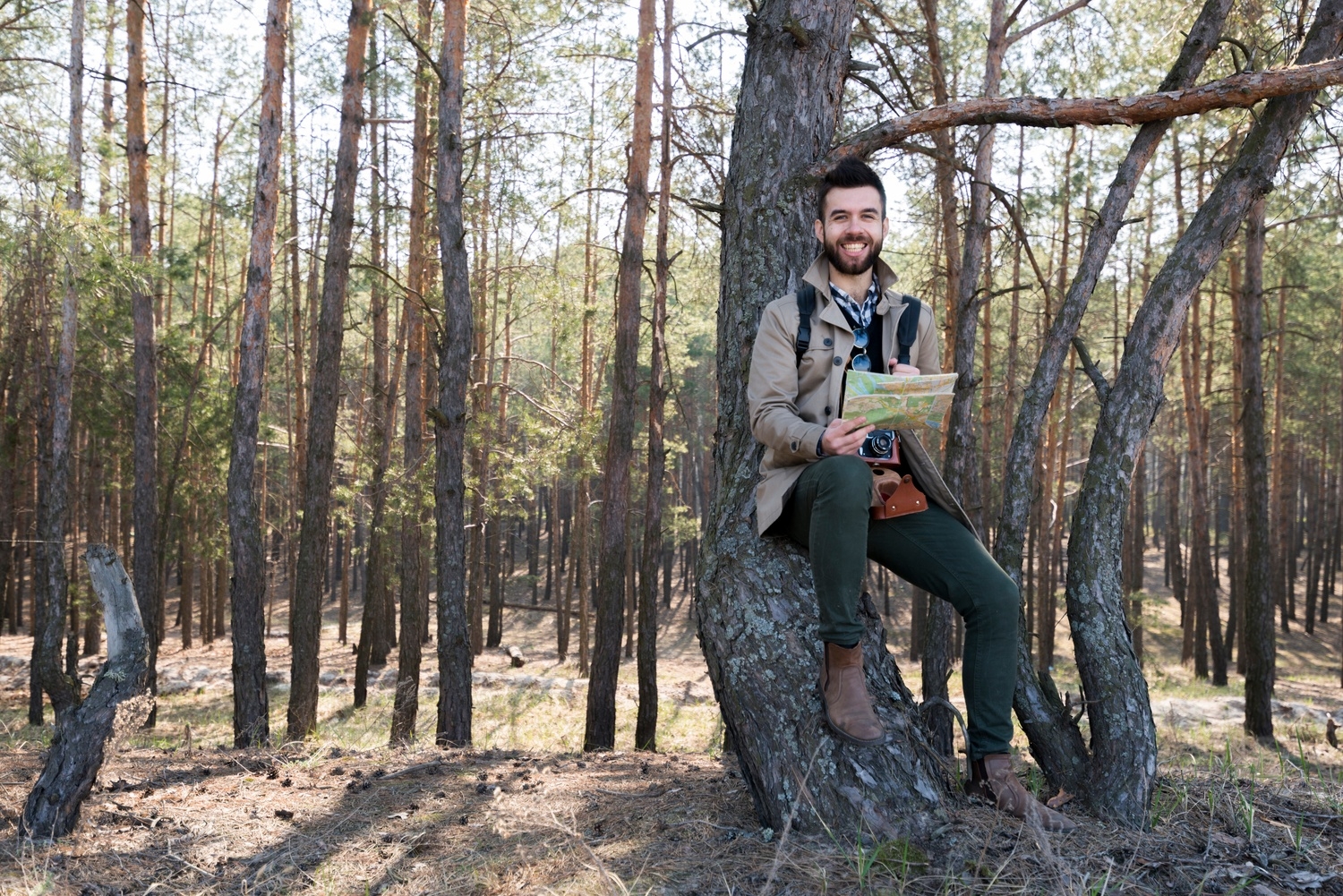
Description: Discover how professional forestry services in Vermont contribute to ecosystem health, sustainable timber harvesting, and long-term land conservation for future generations.
Understanding the Vermont Woodland Ecosystem
Forestry Services Vermont is defined by its sprawling, verdant landscapes. From the rugged peaks of the Green Mountains to the rolling valleys of the Northeast Kingdom, the state’s identity is inextricably linked to its forests. However, maintaining these ecosystems is not merely a passive act of preservation; it requires active stewardship. Forestry services Vermont play a critical role in balancing the health of the environment with the socio-economic needs of the region.
The Science of Silviculture
At the heart of professional forest management is silviculture—the art and science of controlling the establishment, growth, composition, and quality of forest vegetation. In the unique climate of New England, trees face challenges ranging from invasive species and pest outbreaks to the impacts of a changing climate.
When land managers engage with the principles of sustainable forestry, they look at the forest holistically. This involves evaluating the age distribution of trees, soil quality, and wildlife habitats. By thinning overcrowded stands or managing for specific native species, professionals help create a more resilient landscape that can better withstand severe weather events.
Sustainable Harvesting Practices
A common misconception is that forestry is solely about timber extraction. In reality, modern forestry services in Vermont prioritize the long-term vitality of the woodland above all else. When harvesting is necessary, it is conducted using techniques that minimize site disturbance.
For instance, selective harvesting—where individual trees are chosen based on their health and stage of growth—allows the forest canopy to remain largely intact. This protects the forest floor from erosion, keeps streams cool for native trout, and ensures that the understory continues to thrive. By mimicking natural disturbances, such as small-scale windfalls, sustainable harvesting ensures that the forest regenerates naturally rather than requiring human replanting.
Promoting Biodiversity and Wildlife Habitat
Vermont’s forests are home to a diverse array of flora and fauna. Effective forest management is essential for maintaining these biological corridors. By creating varied forest structures—including patches of young, dense cover alongside stands of mature, mast-producing trees—landowners can support a wide variety of wildlife, from songbirds to large mammals like moose and black bears.
Furthermore, experts in the field often assist in identifying and managing vernal pools and wetlands, which are critical breeding grounds for amphibians. Ensuring these micro-ecosystems remain buffered and undisturbed is a core component of responsible land stewardship.
Looking Toward the Future
The practice of forestry is a generational commitment. Decisions made today regarding thinning, invasive species control, and path management will determine the health of the woods fifty or a hundred years from now. As climate patterns continue to shift, the demand for educated, science-based forestry services in Vermont will only increase. By focusing on data-driven management and ecological integrity, those who care for these lands ensure that Vermont remains a leader in sustainable woodland conservation, preserving the natural heritage that defines the state.

 English
 Arabic
 French
 Spanish
 Portuguese
 Deutsch
 Turkish
 Dutch
Dutch
 Italiano
 Russian
 Romaian
 Greek
Greek
