


How to Prepare for a Gut Microbiome Test?
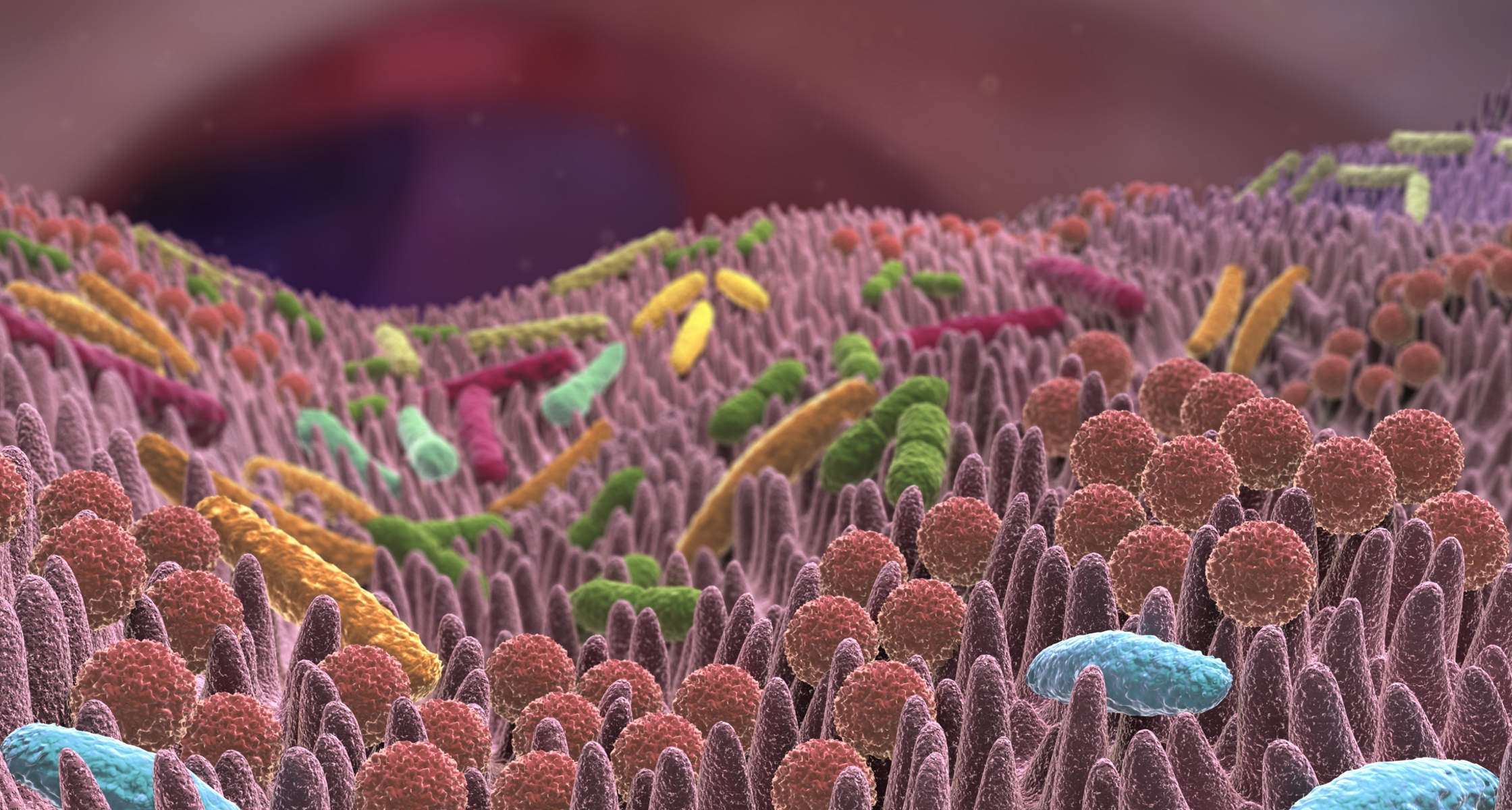
A gut microbiome test is one of the most effective ways to gain personalized insights into the microorganisms living inside your digestive system. These beneficial bacteria, fungi, and other microbes influence digestion, nutrient absorption, immune function, metabolism, and overall gut health. While the testing process is simple, proper preparation helps ensure the sample accurately reflects your gut microbiome at the time of collection.
Many first-time users assume there is little or no preparation required. Although a Gut Microbiome Test in Dubai is non-invasive and usually completed at home, following the instructions provided with your testing kit is essential for obtaining reliable results. Small lifestyle choices before sample collection, such as medication use, diet, or timing, may influence the microbial profile that is analyzed.
This guide explains how to prepare for a gut microbiome test step by step, helping you feel confident throughout the entire process.
Understand the Purpose of the Test:
Preparation begins with understanding what the test is designed to measure.
Unlike traditional digestive health tests that look for infections or disease, a gut microbiome test analyzes the composition and diversity of microorganisms naturally living in your intestines. Advanced DNA sequencing identifies bacterial species and provides insights into microbial balance, digestive function, and nutritional patterns.
Knowing that the test evaluates your current gut ecosystem helps you appreciate why following the collection instructions carefully is so important.
Read the Testing Kit Instructions Carefully:
Every laboratory may have slightly different collection procedures.
As soon as your kit arrives, take time to read the entire instruction guide before opening any materials. Familiarizing yourself with the process reduces the chances of mistakes during sample collection.
Pay attention to details such as:
-
When to collect the sample
-
How much sample is required
-
How to seal the collection tube
-
Storage recommendations
-
Packaging instructions
-
Shipping deadlines
Following these directions exactly helps preserve the quality of the sample.
Review Your Current Medications:
Certain medications may temporarily influence the composition of your gut microbiome.
Antibiotics are the most significant example because they can reduce both harmful and beneficial bacteria. If you have recently completed a course of antibiotics, many testing providers recommend waiting until your gut microbiome has had time to recover before collecting your sample. The recommended waiting period varies, so always follow the instructions supplied with your kit or consult a healthcare professional if you are unsure.
Other medications, including proton pump inhibitors, laxatives, and some prescription treatments, may also influence digestive function. Never stop taking prescribed medication unless advised by your healthcare provider.
Maintain Your Normal Eating Habits:
One of the most common questions is whether you should change your diet before the test.
In most cases, the answer is no.
Your gut microbiome test aims to capture your typical microbial composition. Making dramatic dietary changes just before collecting your sample may not reflect your usual digestive health.
Continue eating your normal meals unless your testing provider gives different instructions. This allows the laboratory to analyze a microbiome that represents your everyday lifestyle rather than temporary dietary adjustments.
Stay Consistent With Your Daily Routine:
Your gut bacteria respond to many aspects of daily life, including physical activity, sleep patterns, hydration, and stress.
Rather than trying to create a "perfect" routine immediately before the test, continue with your usual schedule.
This includes maintaining your normal exercise habits, regular sleep routine, and typical water intake.
Consistency helps provide a realistic snapshot of your gut ecosystem.
Be Mindful of Probiotic and Prebiotic Supplements:
Many people take probiotics or prebiotic supplements to support digestive wellness.
If you already use these products regularly, check the testing provider's recommendations before collecting your sample. Some laboratories advise continuing your usual routine, while others may recommend pausing certain supplements for a short period before testing.
Avoid starting new probiotic supplements immediately before sample collection, as sudden changes may alter the microbial profile being analyzed.
Always follow the specific guidance included with your testing kit.
Choose the Right Time for Sample Collection:
Timing matters when collecting a stool sample.
Select a day when you have enough time to complete the process without feeling rushed. Many people prefer collecting the sample in the morning because it allows sufficient time for packaging and shipping according to laboratory instructions.
If immediate shipping is recommended, avoid collecting the sample on days when courier services are unavailable or delayed.
Planning ahead helps ensure the sample reaches the laboratory in optimal condition.
Prepare a Clean Collection Area:
Before collecting your sample, gather all the materials included in your kit.
Wash your hands thoroughly and prepare a clean, dry area where you can complete the collection process comfortably.
Avoid allowing the sample to come into contact with toilet water, cleaning chemicals, or other contaminants, as these may affect laboratory analysis.
Using the collection tools provided in the kit helps maintain sample quality.
Collect the Sample Correctly:
Carefully follow each step outlined by the laboratory.
Only the recommended amount of stool should be placed into the collection container. Adding too much or too little material may affect processing.
Seal the container securely to prevent leakage.
Most testing kits include preservatives that help stabilize microbial DNA during transportation, but proper sealing remains essential for preserving sample integrity.
After collection, wash your hands thoroughly.
Store the Sample as Directed:
Storage requirements vary between laboratories.
Some kits require immediate mailing, while others include stabilizing solutions that allow the sample to remain at room temperature for a specified period. Certain tests may recommend refrigeration if shipping will be delayed.
Always follow the instructions included with your kit rather than relying on general advice.
Proper storage helps preserve microbial DNA until laboratory analysis begins.
Package and Ship the Sample Promptly:
Once the sample is prepared, package it according to the instructions provided.
Ensure that all labels are attached correctly and any required documentation is completed before sealing the package.
Mail the sample within the recommended timeframe to help maintain sample quality during transport.
Delays beyond the recommended period may reduce the usefulness of the collected specimen.
Common Mistakes to Avoid Before Testing:
Preparing correctly also means avoiding common errors that could affect your experience.
Do not begin restrictive diets simply to improve your results.
Avoid starting new supplements immediately before testing unless recommended by your healthcare provider.
Do not ignore medication guidance supplied with your testing kit.
Always use the collection materials provided rather than substitute containers.
Finally, avoid delaying shipment after sample collection unless the laboratory specifically states that longer storage is acceptable.
What Happens After the Laboratory Receives Your Sample?
After your sample arrives, laboratory specialists extract microbial DNA and analyze it using next-generation sequencing technology.
The analysis identifies bacterial species, measures microbial diversity, and evaluates the overall balance of your gut microbiome.
Once processing is complete, you receive a detailed report explaining your microbial profile, digestive ecosystem, and educational recommendations related to nutrition and lifestyle.
Most reports are designed to be understandable even for individuals without a scientific background.
How to Prepare for Your Results?
Receiving your microbiome report is only the beginning.
Approach the results with realistic expectations. The report is intended to provide educational insights rather than diagnose disease.
Focus on overall patterns instead of individual bacterial names. Recommendations often encourage increasing dietary fiber, eating a wider variety of plant-based foods, consuming fermented foods, improving sleep quality, managing stress, staying physically active, and maintaining long-term healthy habits.
These evidence-based lifestyle changes often contribute more to digestive wellness than any single intervention.
Frequently Asked Questions:
Should I fast before a gut microbiome test?
Most gut microbiome tests do not require fasting. Continue following your normal eating routine unless your testing provider instructs otherwise.
Can I exercise before collecting the sample?
Yes. Maintaining your usual physical activity is generally recommended because the goal is to capture your typical gut microbiome.
Will recent travel affect the results?
Travel can temporarily influence gut bacteria through changes in diet, environment, and routine. If you have recently traveled, follow the guidance included with your testing kit or consult the testing provider if you have concerns.
What if I make a mistake during sample collection?
If you believe the sample may have been contaminated or collected incorrectly, contact the testing provider before sending it. They can advise whether a replacement kit or a new collection is needed.
Final Thoughts:
Preparing for a gut microbiome Lab tests is straightforward, but careful attention to each step helps ensure the most reliable results. Reading the kit instructions, maintaining your normal diet and lifestyle, reviewing medication guidance, collecting the sample correctly, and shipping it promptly all contribute to an accurate representation of your gut microbiome.
Remember that microbiome testing is designed to provide a personalized snapshot of your digestive ecosystem, offering insights into microbial diversity, bacterial balance, and lifestyle influences rather than diagnosing medical conditions. When you combine these insights with a balanced diet, regular exercise, quality sleep, effective stress management, and professional healthcare guidance when appropriate, your gut microbiome test becomes a valuable tool for supporting long-term digestive health and overall well-being.

 English
 Arabic
 French
 Spanish
 Portuguese
 Deutsch
 Dutch
Dutch
 Italiano
 Russian
 Romaian
 Portuguese (Brazil)
 Greek
Greek
