


What Causes Peeling After a Chemical Peel?
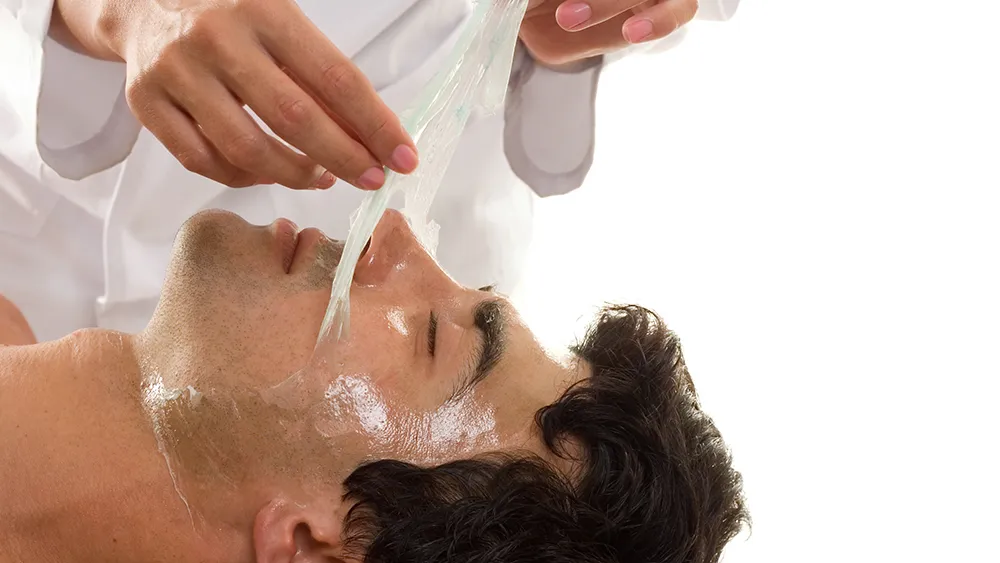
Healthy, glowing skin is a goal for many people, and Chemical Peels in Islamabad have become a popular treatment for improving skin texture, reducing acne scars, minimizing pigmentation, and restoring a youthful appearance. A common question patients ask before undergoing the procedure is, "What causes peeling after a chemical peel?" Understanding why peeling happens can help you feel more confident about the treatment and know what to expect during recovery.
Why Does Your Skin Peel After a Chemical Peel?
A chemical peel works by applying a carefully formulated chemical solution to the skin. This solution gently removes damaged outer skin cells, encouraging the body to replace them with fresh, healthier skin.
Peeling is a natural part of this renewal process. As the damaged outer layer separates from the healthier skin underneath, you may notice flaking, peeling, or shedding over several days. This process signals that your skin is responding to the treatment as intended.
The intensity of peeling depends on several factors, including the type of peel used, your skin condition, and how deeply the solution penetrates.
How Does a Chemical Peel Trigger Skin Renewal?
The skin naturally sheds dead cells every few weeks. A chemical peel speeds up this process by breaking down the bonds that hold damaged skin cells together.
Once these old cells begin to loosen, your body starts producing new skin cells more rapidly. At the same time, collagen production may increase, improving skin firmness, texture, and overall appearance over time.
Rather than damaging healthy skin, the treatment is designed to stimulate controlled exfoliation, allowing healthier skin to emerge.
What Factors Affect the Amount of Peeling?
Not everyone experiences peeling in the same way. Several factors influence how much your skin will peel.
Type of Chemical Peel
Superficial peels usually cause mild flaking that lasts only a few days.
Medium-depth peels often result in more noticeable peeling as they reach deeper skin layers.
Deep peels typically involve significant peeling and require a longer recovery period under professional supervision.
Skin Condition Before Treatment
People with sun-damaged skin, acne scars, pigmentation, or rough skin texture may notice more visible peeling because there are more damaged cells being removed.
Individual Skin Response
Everyone's skin heals differently. Some people experience light flaking, while others notice larger sheets of peeling. Both responses can be completely normal.
Post-Treatment Care
Following proper aftercare instructions plays an important role in how your skin heals. Moisturizing regularly, protecting your skin from sunlight, and avoiding harsh skincare products can support healthy recovery.
When Does Peeling Usually Start?
Most patients begin noticing peeling within two to three days after treatment.
The peeling often starts around the mouth or nose before gradually spreading to other treated areas.
For superficial peels, the process may last three to five days.
Medium-depth peels can continue peeling for approximately one week.
Deeper treatments may require a longer healing period depending on the individual's skin.
Is It Normal If Your Skin Does Not Peel Much?
Yes.
Many people believe that visible peeling determines how successful the treatment is, but this is a misconception.
Some chemical peels work beneath the skin's surface with very little visible flaking while still delivering noticeable improvements in skin tone, texture, and brightness.
Your dermatologist evaluates treatment success based on skin improvement rather than the amount of peeling.
Why You Should Never Peel the Skin Yourself
One of the biggest mistakes people make is pulling or picking at peeling skin.
Doing so can interfere with the natural healing process and may increase the risk of:
- Skin irritation
- Redness
- Infection
- Uneven healing
- Temporary pigmentation changes
- Scarring in severe cases
Allow the skin to shed naturally. Patience leads to better cosmetic results.
What Happens Beneath the Peeling Skin?
As old skin cells shed away, several beneficial processes occur beneath the surface.
Increased Cell Turnover
Fresh skin cells replace older damaged cells much faster than the normal skin renewal cycle.
Improved Collagen Production
Many chemical peels stimulate collagen formation, helping improve skin firmness and reduce the appearance of fine lines.
Better Skin Texture
Rough patches gradually become smoother as healthier skin replaces damaged tissue.
Brighter Complexion
Removing accumulated dead skin cells allows fresher skin to reflect light more evenly, creating a brighter appearance.
How Can You Support Healthy Peeling?
Proper aftercare helps your skin recover comfortably while maximizing treatment results.
Keep Your Skin Moisturized
Use dermatologist-recommended moisturizers to reduce dryness and support the healing process.
Protect Your Skin From the Sun
Freshly treated skin is more sensitive to UV exposure. Applying a broad-spectrum sunscreen daily helps protect healing skin and reduces the risk of pigmentation.
Avoid Harsh Skincare Products
Temporarily avoid products containing retinoids, exfoliating acids, alcohol-based toners, and physical scrubs until your skin has fully recovered.
Cleanse Gently
Use a mild cleanser and lukewarm water without rubbing or scrubbing the treated area.
Stay Hydrated
Drinking enough water supports overall skin health and recovery.
When Should You Contact Your Specialist?
Although peeling is expected, certain symptoms should be evaluated by your skincare provider.
Seek professional advice if you experience:
- Severe swelling
- Persistent pain
- Large blisters
- Signs of infection
- Excessive redness that worsens instead of improving
- Fever or unusual discharge
Early assessment helps ensure proper healing if complications develop.
Can You Speed Up the Peeling Process?
It is best to allow the skin to heal at its own pace.
Trying to speed up peeling through exfoliation, scrubbing, or home remedies can damage newly forming skin and delay recovery.
Instead, focus on proper hydration, gentle skincare, and following your provider's aftercare recommendations.
How Long Until You See the Final Results?
While peeling usually finishes within one week for most superficial treatments, your skin continues improving for several weeks afterward.
As new skin matures, many patients notice:
- More even skin tone
- Smoother texture
- Improved brightness
- Reduced acne marks
- Softer fine lines
- Healthier-looking skin
The exact timeline varies depending on the type of peel and your skin's natural healing process.
Frequently Asked Questions
Does everyone peel after a chemical peel?
No. Some people experience noticeable peeling, while others only have mild flaking. Both can be normal depending on the treatment.
Is peeling a sign that the chemical peel is working?
Peeling often indicates the skin renewal process has begun, but minimal peeling does not mean the treatment was ineffective.
Can I remove peeling skin myself?
No. Picking or pulling peeling skin may cause irritation, infection, or uneven healing. Let it shed naturally.
How many days does peeling usually last?
Most superficial peels peel for about three to five days, while medium-depth peels may continue for around one week.
Can I apply moisturizer during peeling?
Yes. Using a dermatologist-recommended moisturizer helps reduce dryness and supports comfortable healing.
Final Thoughts
Peeling after a chemical peel is a normal and expected part of the skin renewal process. It occurs because damaged outer skin cells are naturally shed, allowing healthier, smoother skin to emerge. The amount of peeling varies from person to person and depends on the type of peel, individual skin characteristics, and proper aftercare. Following your specialist's instructions and allowing your skin to heal naturally can help you achieve the best possible results.

 English
 Arabic
 French
 Spanish
 Portuguese
 Deutsch
 Turkish
 Italiano
 Russian
 Romaian
 Portuguese (Brazil)
 Greek
Greek
