


What Happens to Your Body After Childbirth? Causes, Changes, and Surgical Solutions
Childbirth is one of the most transformative physical experiences a body can go through, and the changes it leaves behind often surprise even women who expected them. Skin that once snapped back after a big meal now sits loosely around the midsection. Breasts that were full during breastfeeding deflate once nursing stops. No amount of core exercises seems to fully close the gap down the center of the stomach. If this sounds familiar, understanding the actual biology behind these changes is the first step, and for many women, exploring a Mommy Makeover Dubai plan becomes the practical next step toward addressing what diet and exercise alone cannot fix. This article breaks down exactly what happens to the postpartum body, why it happens, and which surgical solutions are actually designed to address each specific change.
The Abdomen: Stretched Skin and Separated Muscles
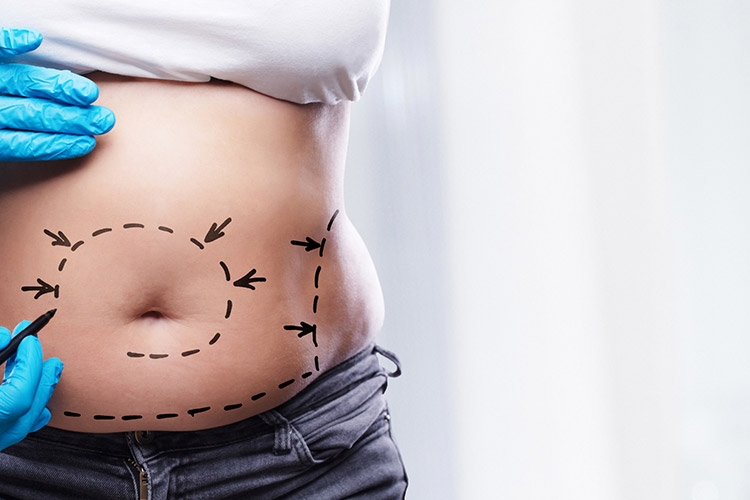
During pregnancy, the abdominal wall stretches to accommodate a growing uterus, and the two vertical bands of muscle running down the center of the stomach, the rectus abdominis, often separate along the connective tissue between them. This separation, known as diastasis recti, affects a large majority of pregnant women to some degree, and in many cases doesn't fully resolve on its own after delivery. Meanwhile, the skin covering the abdomen has been stretched past the point where collagen and elastin fibers can fully retract, especially after multiple pregnancies or significant weight gain during pregnancy. The result is a soft, protruding lower belly that persists even in women who are otherwise lean and fit. A tummy tuck, medically known as abdominoplasty, directly addresses both issues: excess skin is surgically removed, and separated muscles are stitched back together to restore a flatter, firmer abdominal wall.
The Breasts: Volume Loss and Changed Shape
Breast changes after childbirth are driven by both pregnancy hormones and the physical process of breastfeeding, though even women who don't nurse experience significant shifts. Milk-producing glandular tissue expands during pregnancy and lactation, then shrinks once breastfeeding ends, often leaving less volume than existed before pregnancy. The skin and ligaments supporting breast tissue also stretch under the added weight, which can lead to sagging, or ptosis, even in women with naturally firm breast tissue beforehand. Depending on the specific combination of volume loss and sagging, surgical solutions range from a breast lift alone, which repositions tissue and tightens skin without changing size, to augmentation with implants for added volume, or a combined lift-and-augmentation procedure for women experiencing both concerns simultaneously.
Stubborn Fat Deposits That Resist Diet and Exercise
Pregnancy hormones influence where the body stores fat, often redistributing it to areas like the flanks, lower back, and inner thighs in ways that can feel entirely new compared to pre-pregnancy fat distribution patterns. These deposits can be particularly resistant to typical diet and exercise because they're influenced by hormonal shifts rather than simple caloric surplus. Liposuction addresses this by directly removing fat cells from targeted areas, sculpting a smoother contour that complements the results of abdominal and breast procedures. It's worth noting that liposuction is a contouring tool, not a weight-loss procedure, which is why it works best on women who are already close to a stable, healthy weight.
Pelvic Floor Changes and Their Broader Impact
Beyond the changes visible in the mirror, childbirth, particularly vaginal delivery, can weaken the pelvic floor muscles that support the bladder, uterus, and rectum. While this falls outside the scope of a typical mommy makeover, it's an important piece of the postpartum picture that deserves mention, since symptoms like mild incontinence or pelvic pressure often prompt women to seek medical guidance around the same time they're considering body-contouring surgery. A thorough consultation should always ask about these symptoms, since pelvic floor physical therapy or other treatments may be recommended alongside, or before, cosmetic procedures.
Why Timing Matters for Surgical Solutions
Surgeons generally recommend waiting at least six months to a year after childbirth before pursuing a mommy makeover, and longer if you're still breastfeeding, since breast tissue needs time to settle into its post-lactation size and shape. Waiting until your weight has stabilized is equally important, since significant weight loss after surgery can stretch skin again or shift the results of liposuction and breast procedures. If you're planning additional pregnancies, most surgeons advise postponing surgery altogether, since a future pregnancy can undo abdominal muscle repair and alter breast shape again, meaning the procedure would need to be repeated.
What a Thorough Surgical Consultation Should Cover
A responsible consultation goes beyond simply agreeing to whatever combination of procedures a patient requests. It should include a physical examination of skin quality, muscle separation, and breast tissue, a review of medical history and any pregnancy-related complications, and an honest conversation about realistic outcomes based on your specific anatomy. Blood work and other pre-operative testing help confirm you're a safe candidate for surgery, particularly if multiple procedures will be combined into a single operation. A good surgeon will also walk you through recovery expectations in detail, since combining procedures extends both surgical time and the initial recovery period compared to a single isolated surgery.
Recovery: What the Timeline Really Looks Like
The first one to two weeks after surgery typically involve the most significant restrictions, with swelling, discomfort, and limited mobility requiring help with childcare and household tasks. Compression garments support healing tissue and manage swelling during this period, and most patients gradually resume light activities by weeks three to four. Full recovery, including the resolution of residual swelling and the maturation of scars, generally takes several months, with final results often not fully visible until around the six-month mark. Understanding this realistic timeline in advance helps set proper expectations and reduces the anxiety that can come from comparing your own recovery to unrealistic before-and-after timelines seen online.
Final Thoughts
The postpartum body changes so many women experience are rooted in real, measurable biological shifts, not a lack of effort or discipline. Recognizing exactly what has changed, whether it's separated abdominal muscles, deflated breast tissue, or hormonally influenced fat deposits, makes it possible to choose surgical solutions that address the actual cause rather than chasing generic results. At Mommy Makeover Lounge, every consultation starts with understanding your specific postpartum changes, ensuring the surgical plan you receive is built around your body's real needs rather than a one-size-fits-all package.

 English
 French
 Spanish
 Portuguese
 Deutsch
 Turkish
 Dutch
Dutch
 Italiano
 Russian
 Romaian
 Portuguese (Brazil)
 Greek
Greek
