


Mezzanine Rack Safety Standards and Best Practices
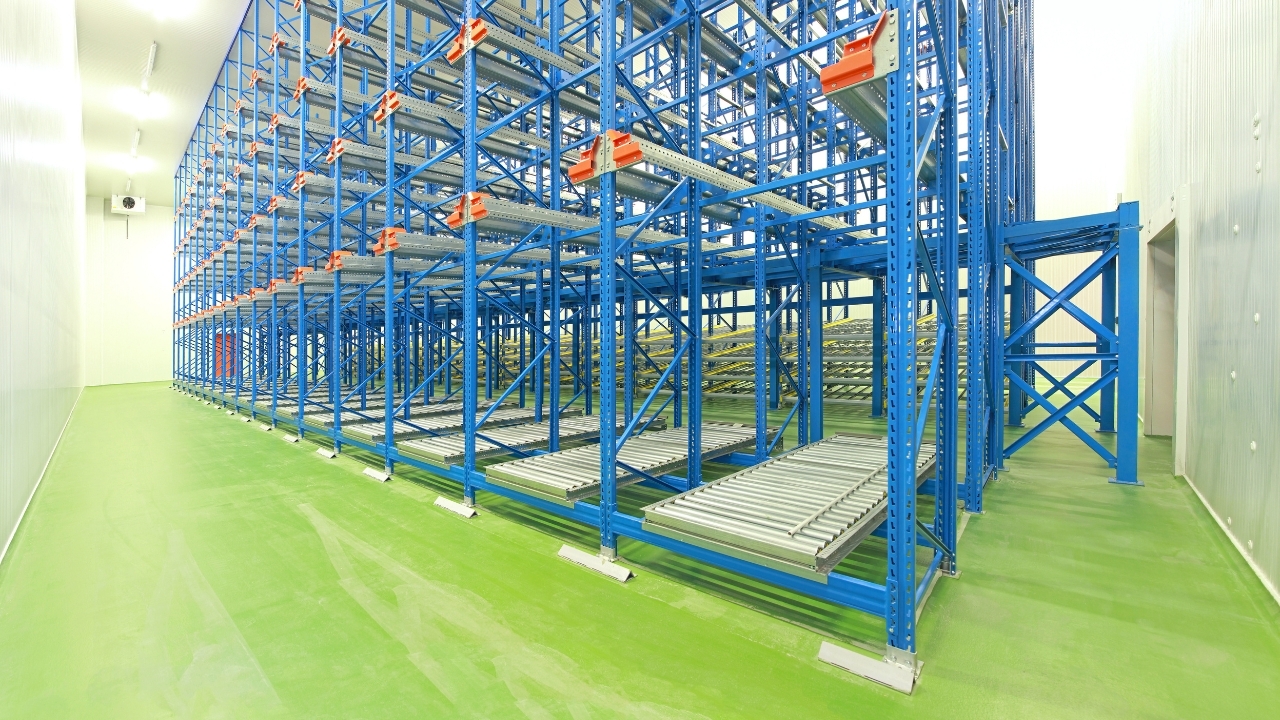
A mezzanine rack is an excellent solution for maximizing warehouse space, but safety must always come first. Master Racks Limited designs reliable storage systems that prioritize structural integrity, employee protection, and efficient warehouse operations while meeting modern industrial safety expectations.
Why Safety Is Critical for Mezzanine Rack Systems
Warehouse storage systems support valuable inventory, equipment, and daily operations. A mezzanine structure introduces an elevated working platform, making proper design, installation, and maintenance essential for a safe working environment.
Ignoring safety standards can increase the risk of accidents, product damage, operational downtime, and costly repairs. Following recognized best practices helps businesses protect employees while maintaining efficient warehouse performance.
A properly engineered mezzanine rack not only improves storage capacity but also creates a safer and more organized workplace.
What Is a Mezzanine Rack?
A mezzanine rack is a multi-level storage system that combines industrial racking with an elevated platform to create additional usable space inside a warehouse.
These systems are commonly used for:
-
Inventory storage
-
Order picking
-
Packing stations
-
Office space
-
Production support
-
Spare parts storage
Because mezzanine systems support people, products, and equipment, every installation should be carefully planned according to structural and safety requirements.
Understanding Warehouse Safety Standards
Warehouse safety standards provide guidelines that help ensure storage systems remain stable, secure, and safe throughout their service life.
Although local regulations vary by country, every mezzanine installation should follow recognized engineering principles and workplace safety requirements.
Important considerations include:
-
Structural stability
-
Load capacity
-
Safe access
-
Fall protection
-
Emergency evacuation
-
Routine inspections
-
Employee training
Following these principles reduces operational risks and promotes long-term reliability.
Essential Mezzanine Rack Safety Standards
Proper Structural Design
Every mezzanine should be designed by experienced engineers.
The design process considers:
-
Building dimensions
-
Floor load capacity
-
Ceiling height
-
Inventory weight
-
Equipment movement
-
Future expansion
A professionally engineered structure provides long-term strength and stability.
Accurate Load Capacity Calculation
Every mezzanine system has a maximum load capacity.
Exceeding this limit can place unnecessary stress on the structure and reduce overall safety.
Businesses should clearly display load rating signs throughout the mezzanine area.
Load calculations should include:
-
Stored inventory
-
Employees
-
Material handling equipment
-
Shelving systems
-
Dynamic movement loads
Regular monitoring helps prevent accidental overloading.
High-Quality Construction Materials
The durability of a mezzanine depends heavily on material quality.
Industrial-grade steel is widely preferred because it offers:
-
Excellent strength
-
Long service life
-
High durability
-
Reliable structural performance
Using certified materials contributes to overall workplace safety.
Safe Floor Decking
Flooring plays an important role in employee safety.
Common industrial flooring options include:
-
Steel decking
-
Grated flooring
-
Anti-slip panels
-
Composite flooring
The selected flooring should provide sufficient traction while supporting expected operational loads.
Guardrails and Fall Protection
Fall prevention is one of the most important aspects of mezzanine safety.
Guardrails should be installed around all exposed platform edges.
Effective guardrail systems include:
-
Top rails
-
Mid rails
-
Toe boards
-
Secure mounting systems
These protective features help prevent accidental falls during daily operations.
Safety Gates for Loading Areas
Loading points require additional protection.
Safety gates allow materials to be transferred safely while preventing employees from being exposed to open platform edges.
Common gate options include:
-
Swing gates
-
Pivot gates
-
Sliding safety gates
Proper gate selection depends on warehouse workflow.
Secure Staircases
Employees should always have safe access to mezzanine platforms.
Industrial staircases should feature:
-
Non-slip stair treads
-
Handrails
-
Proper stair width
-
Comfortable step height
-
Strong structural support
Well-designed staircases reduce the risk of slips and falls.
Emergency Exit Planning
Every mezzanine should include clearly identified emergency exit routes.
Businesses should ensure:
-
Exit paths remain unobstructed.
-
Emergency lighting is functional.
-
Exit signs are clearly visible.
-
Employees understand evacuation procedures.
Preparedness improves workplace safety during emergencies.
Best Practices for Safe Mezzanine Rack Operations
Perform Routine Inspections
Routine inspections help identify potential problems before they become serious.
Inspection areas include:
-
Structural connections
-
Columns
-
Floor panels
-
Guardrails
-
Staircases
-
Safety gates
-
Bolts and fasteners
Regular inspections extend the service life of the system.
Train Warehouse Employees
Even the safest storage system depends on proper employee behavior.
Training should cover:
-
Safe walking procedures
-
Load limitations
-
Emergency response
-
Proper material handling
-
Reporting damaged equipment
Well-trained employees contribute to a safer workplace.
Prevent Overloading
Overloading remains one of the most common causes of structural damage.
Warehouse staff should never exceed the rated capacity of shelving or mezzanine platforms.
Proper inventory planning helps distribute weight evenly across the structure.
Keep Walkways Clear
Clear walkways improve both safety and productivity.
Businesses should avoid storing products in:
-
Stairways
-
Emergency exits
-
Main aisles
-
Loading zones
-
Access points
Organized walkways reduce trip hazards and improve warehouse efficiency.
Maintain Proper Lighting
Good visibility reduces accidents.
Adequate lighting should cover:
-
Staircases
-
Walkways
-
Storage areas
-
Loading points
-
Emergency exits
Well-lit workspaces improve employee confidence and operational accuracy.
Install Safety Signage
Safety signs provide important operational guidance.
Typical signs include:
-
Maximum load capacity
-
Emergency exits
-
Restricted areas
-
Safety instructions
-
Personal protective equipment requirements
Visible signage reinforces workplace safety procedures.
Conduct Scheduled Maintenance
Preventive maintenance helps identify wear before structural issues develop.
Maintenance activities include:
-
Tightening loose bolts
-
Inspecting welds
-
Repairing damaged flooring
-
Replacing worn components
-
Checking corrosion
Consistent maintenance supports long-term reliability.
Common Safety Mistakes to Avoid
Understanding common mistakes helps businesses maintain safer warehouse environments.
Avoid the following:
Ignoring Weight Limits
Never exceed specified load capacities.
Skipping Inspections
Small structural issues can become major safety hazards if left unchecked.
Blocking Emergency Exits
Emergency access should always remain clear.
Using Damaged Components
Bent columns, cracked flooring, or damaged guardrails should be repaired immediately.
Inadequate Employee Training
Untrained employees increase operational risk.
Poor Housekeeping
Loose materials, debris, and clutter create unnecessary hazards.
Industry Applications
Safe mezzanine systems support many industries.
Manufacturing
Organized storage and production support improve operational efficiency.
E-Commerce
Safe picking platforms increase order fulfillment speed.
Retail Distribution
Multi-level inventory management improves stock organization.
Automotive
Secure storage supports efficient parts handling.
Pharmaceutical
Organized layouts improve inventory accuracy while maintaining workplace safety.
Food and Beverage
Proper mezzanine systems support efficient storage and inventory rotation.
Why Choose Master Racks Limited?
Choosing an experienced storage solution provider is essential for warehouse safety.
Master Racks Limited specializes in designing and manufacturing durable mezzanine systems that maximize storage while maintaining high safety standards.
Every project is developed with careful attention to structural integrity, operational efficiency, and long-term reliability.
Whether your warehouse requires rack-supported mezzanines, structural steel platforms, or customized storage systems, Master Racks Limited delivers professionally engineered solutions that meet the demands of modern industrial facilities.
By combining engineering expertise with quality manufacturing, Master Racks Limited helps businesses create safer, more organized, and highly productive warehouse environments.
Future Trends in Mezzanine Rack Safety
Warehouse technology continues to evolve, bringing new safety innovations.
Emerging trends include:
-
Smart load monitoring systems
-
Digital warehouse inspections
-
Automated safety alerts
-
Integrated warehouse management systems
-
Advanced structural monitoring
-
Improved anti-slip flooring materials
These innovations help businesses maintain safer and more efficient storage operations.
Conclusion
A mezzanine rack delivers exceptional storage benefits when designed and maintained according to proper safety standards. By following best practices and partnering with Master Racks Limited, businesses can create secure, efficient, and future-ready warehouse environments that protect employees and support long-term operational success.

 English
 Arabic
 French
 Spanish
 Portuguese
 Deutsch
 Turkish
 Dutch
Dutch
 Italiano
 Romaian
 Portuguese (Brazil)
 Greek
Greek
