


HIV Blood Test Results: What They Mean and What to Do Next
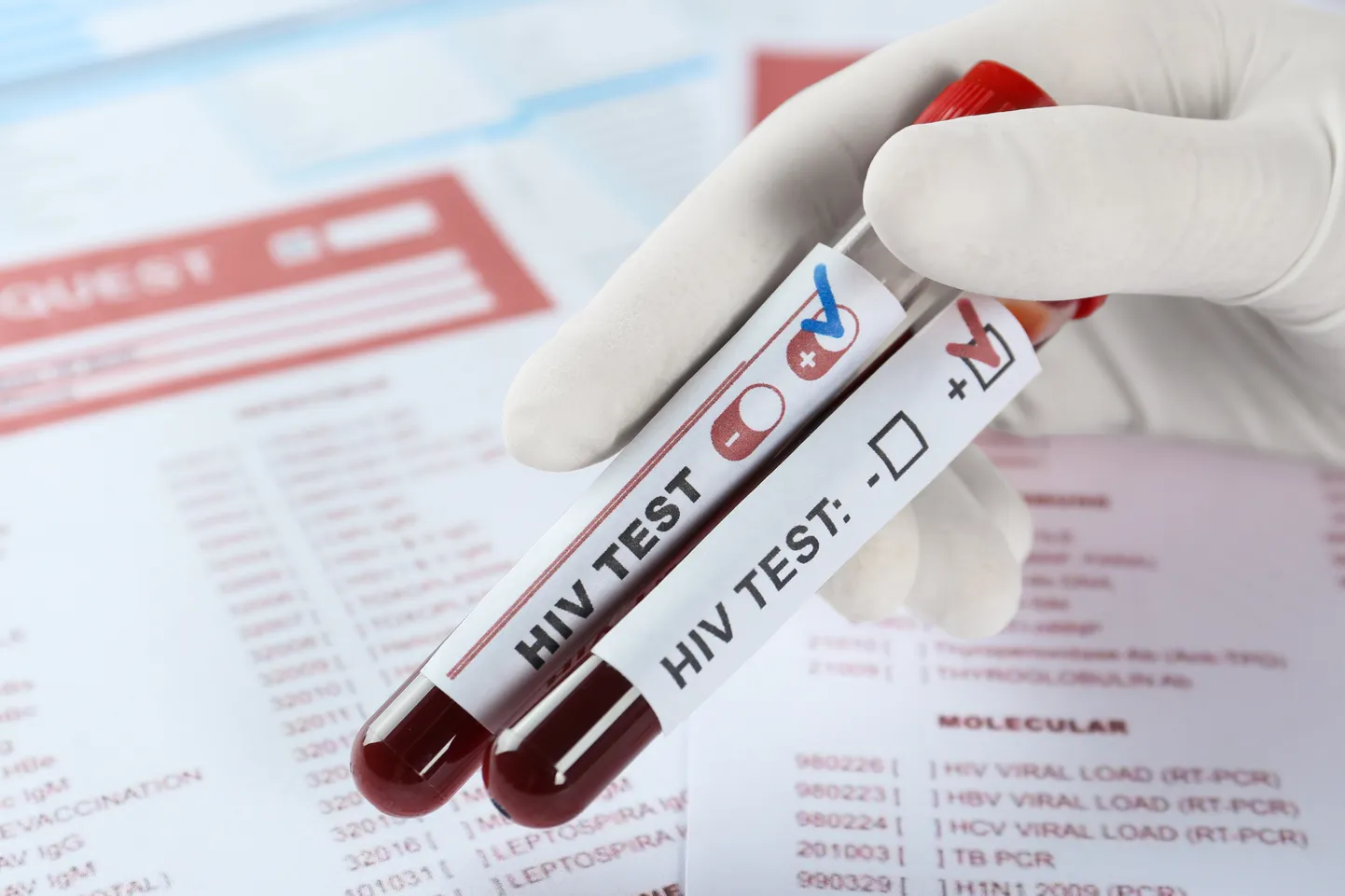
Receiving your HIV blood test results can bring a mix of emotions, including relief, anxiety, uncertainty, or curiosity. Regardless of why you decided to get tested—whether as part of routine HIV screening, after a possible exposure, during pregnancy, or on the recommendation of a healthcare provider—the most important step is understanding what your results actually mean.
An HIV Blood Test in Dubai is one of the most reliable diagnostic methods available today. Modern laboratory testing uses advanced technology to detect HIV infection with excellent accuracy, helping healthcare professionals diagnose the virus early and begin treatment before serious damage occurs to the immune system.
However, reading the words "negative," "positive," or "indeterminate" on a laboratory report can sometimes create confusion. Knowing how these results are interpreted, why additional testing may occasionally be required, and what actions should follow can help you make informed healthcare decisions with confidence.
Why HIV Blood Test Results Matter?
An HIV blood test does much more than confirm whether HIV is present. The results help healthcare providers determine the next stage of care, decide whether additional laboratory testing is necessary, and recommend appropriate preventive or treatment strategies.
Early diagnosis provides important health advantages because HIV can often remain unnoticed for years. During this time, the virus continues affecting CD4 cells, gradually weakening the immune system.
Understanding your HIV status allows you to:
-
Make informed healthcare decisions
-
Begin treatment as early as possible if needed
-
Protect your immune health
-
Reduce the likelihood of HIV transmission
-
Access medical support and ongoing monitoring
-
Gain reassurance when infection is not detected
Whether your results are negative or positive, knowing your status is an essential step toward protecting your long-term health.
How an HIV Blood Test Produces Results?
Before interpreting the report, it helps to understand what the laboratory is actually measuring.
Modern HIV blood tests identify one or more biological markers associated with HIV infection. Depending on the testing method, these markers may include:
-
HIV antibodies
-
HIV p24 antigen
-
HIV RNA (viral genetic material)
Different laboratory tests identify these markers at different stages after exposure. This is why healthcare providers sometimes recommend repeat testing if the initial test was performed during the window period.
Understanding a Negative HIV Blood Test Result:
A negative HIV blood test means the laboratory did not detect evidence of HIV infection at the time the blood sample was analyzed.
For many people, this result provides reassurance. However, a negative report should always be interpreted alongside the timing of the test.
If testing occurred after the recommended detection period and there has been no recent exposure, a negative result is generally considered reliable.
If the test was performed soon after possible exposure, your healthcare provider may recommend another HIV blood test later because HIV-related markers may not yet have reached detectable levels.
A negative result should also encourage continued preventive practices, including routine sexual health screening, safer sex practices, and regular medical checkups.
Understanding a Positive HIV Blood Test Result:
A positive screening result indicates that the laboratory detected markers consistent with HIV infection.
It is important to understand that modern diagnostic guidelines require confirmatory testing before an HIV diagnosis is officially established.
Confirmatory laboratory testing helps eliminate the possibility of false-positive results and ensures the diagnosis is accurate.
If HIV infection is confirmed, healthcare providers usually recommend:
-
Viral load testing
-
CD4 cell count assessment
-
Comprehensive medical evaluation
-
Antiretroviral therapy (ART)
-
Ongoing monitoring and follow-up care
Today's HIV treatment has transformed long-term outcomes. Many individuals diagnosed early and treated consistently maintain excellent health and normal life expectancy.
What Does an Indeterminate Result Mean?
Occasionally, an HIV blood test produces an indeterminate or inconclusive result.
This does not necessarily indicate HIV infection.
Several factors can contribute to inconclusive findings, including:
-
Very early infection
-
Temporary immune responses
-
Laboratory variation
-
The need for additional confirmatory testing
Healthcare providers usually recommend repeating the HIV blood test or using another laboratory method to establish a definitive diagnosis.
Remaining calm and following professional medical advice is the best approach when results are inconclusive.
Why Timing Influences Your Results?
One of the most important factors affecting HIV blood test interpretation is the window period.
The window period refers to the interval between HIV exposure and the point when laboratory tests can reliably detect infection.
Different HIV blood tests have different detection windows because they identify different biological markers.
For example:
-
Antibody tests rely on the body's immune response.
-
Fourth-generation tests detect both antibodies and the p24 antigen.
-
Nucleic acid tests identify HIV RNA directly.
Testing too early after exposure may produce a negative result even if infection is present. This is why healthcare providers sometimes recommend follow-up testing.
What Should You Do After a Negative Result?
Receiving a negative HIV blood test is reassuring, but maintaining healthy habits remains important.
Healthcare professionals often recommend:
-
Continuing safer sex practices
-
Avoiding shared needles
-
Scheduling routine HIV screening when appropriate
-
Discussing HIV prevention strategies such as PrEP if you have ongoing risk factors
-
Seeking medical advice after any future possible exposure
Routine HIV testing remains an important component of preventive healthcare even after negative results.
What Should You Do After a Positive Result?
Learning that additional testing has confirmed HIV infection can feel overwhelming, but effective treatment is available.
The first priority is establishing care with an experienced healthcare provider.
Early treatment offers several advantages:
-
Better preservation of immune function
-
Lower viral load
-
Reduced risk of opportunistic infections
-
Improved long-term quality of life
-
Reduced likelihood of HIV transmission
Taking prescribed medications consistently and attending regular medical appointments play a vital role in successful long-term HIV management.
Common Questions About HIV Blood Test Reports:
Why Was Another Test Recommended?
Healthcare providers frequently perform confirmatory testing after an initial positive screening result or when results are inconclusive.
Can Results Ever Be Wrong?
Modern laboratory HIV blood tests are highly accurate. However, testing during the window period or technical factors may occasionally require repeat testing.
How Long Does It Take to Receive Results?
The reporting timeline varies depending on the laboratory and testing method used.
Are HIV Test Results Confidential?
Yes. Medical professionals follow strict confidentiality standards to protect patient information and laboratory reports.
Can Early Treatment Improve Outcomes?
Absolutely. Early diagnosis followed by prompt antiretroviral therapy significantly improves long-term health while reducing viral transmission.
Mistakes to Avoid After Receiving Your Results:
Whether your HIV blood test is negative or positive, certain mistakes can delay appropriate care.
Avoid:
-
Interpreting laboratory results without professional guidance
-
Ignoring recommendations for repeat testing
-
Delaying follow-up appointments
-
Assuming one negative result eliminates future risk
-
Postponing treatment if HIV infection is confirmed
Working closely with healthcare professionals ensures that every result is interpreted correctly and followed by the most appropriate medical care.
The Importance of Ongoing HIV Monitoring:
For individuals living with HIV, diagnosis is only the beginning of long-term health management.
Regular medical follow-up includes monitoring viral load, CD4 cell counts, medication effectiveness, and overall immune health.
Healthcare providers may also recommend routine screening for other sexually transmitted infections, vaccinations, and preventive care to support long-term wellness.
Consistent monitoring allows treatment plans to be adjusted when necessary while helping maintain optimal health.
Conclusion:
Understanding your HIV blood test results is an essential part of protecting your health and making informed medical decisions. Whether your laboratory report is negative, positive, or indeterminate, each outcome provides valuable information that guides the next stage of care.
Modern HIV blood Lab tests are highly accurate, but their interpretation depends on factors such as the testing method, the timing of possible exposure, and the need for confirmatory laboratory testing. Early diagnosis remains one of the most effective ways to preserve immune function, begin timely treatment, and reduce the risk of HIV transmission.
Rather than viewing HIV testing as a single event, consider it an important component of preventive healthcare. Staying informed, following your healthcare provider's recommendations, and attending regular medical checkups can help ensure the best possible health outcomes. With today's advanced diagnostic technology and effective treatment options, timely action after receiving your HIV blood test results can make a meaningful difference in your long-term well-being.

 English
 Arabic
 French
 Spanish
 Portuguese
 Deutsch
 Turkish
 Italiano
 Russian
 Romaian
 Portuguese (Brazil)
 Greek
Greek
