


Keloid Treatment in Islamabad: Frequently Asked Questions Answered
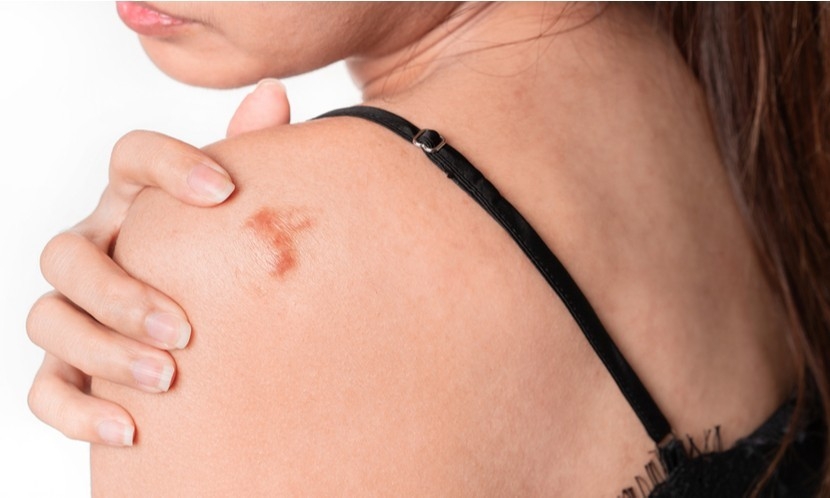
Keloids are raised, thick scars that develop when the skin produces excessive collagen during the healing process. Unlike normal scars, they continue to grow beyond the boundaries of the original wound and can become itchy, painful, or cosmetically concerning. If you are considering Keloid Treatment in Islamabad, understanding the procedure, available options, and expected results can help you make an informed decision. This guide answers the most frequently asked questions about keloid treatment and explains what patients in Islamabad should know before starting treatment.
What Is a Keloid?
A keloid is an overgrowth of scar tissue that forms after the skin has healed from an injury. It may develop after:
- Acne scars
- Ear piercings
- Surgical incisions
- Burns
- Cuts and wounds
- Vaccination sites
- Insect bites
Unlike ordinary scars, keloids do not fade on their own and may continue growing over time.
Why Do Keloids Develop?
Keloids form because the body produces too much collagen while repairing damaged skin. Although anyone can develop them, some individuals are more genetically predisposed. Certain body areas are also more prone to keloid formation, including the chest, shoulders, neck, jawline, and earlobes.
What Are the Symptoms of a Keloid?
Common symptoms include:
- Raised, thick scar tissue
- Smooth or shiny appearance
- Pink, red, brown, or darker color
- Itching or tenderness
- Mild discomfort or pain
- Gradual increase in size
Early evaluation often makes treatment more effective.
What Treatment Options Are Available?
Several treatment methods are available depending on the size, age, and location of the keloid. Common options include:
- Corticosteroid injections
- Laser therapy
- Cryotherapy (freezing treatment)
- Surgical removal
- Silicone gel sheets
- Pressure therapy
- Combination treatments
Dermatologists often recommend combining multiple treatments to reduce the risk of recurrence.
Is Keloid Treatment Painful?
Most treatments involve minimal discomfort. Steroid injections may cause brief stinging, while laser therapy produces a mild warming sensation. If surgery is required, local anesthesia is used to ensure the procedure remains comfortable.
How Many Sessions Will I Need?
The number of sessions varies depending on:
- Size of the keloid
- Thickness
- Age of the scar
- Treatment method
- Individual healing response
Small keloids may improve after a few sessions, while larger or older scars often require ongoing treatment over several months.
Can Keloids Return After Treatment?
Yes. Keloids have a higher recurrence rate than many other types of scars. However, combining treatments—such as surgical removal followed by steroid injections or laser therapy—can significantly reduce the likelihood of recurrence. Following your specialist's aftercare instructions is equally important.
Who Is a Good Candidate for Treatment?
You may be a suitable candidate if you:
- Have raised scars that continue growing
- Experience itching or discomfort
- Feel self-conscious about visible scars
- Have keloids affecting movement
- Want cosmetic improvement
A professional consultation helps determine the most suitable treatment plan.
What Should I Expect During Recovery?
Recovery depends on the treatment performed. Most patients can resume normal daily activities shortly after non-surgical procedures.
General aftercare includes:
- Keeping the treated area clean
- Avoiding excessive sun exposure
- Using prescribed creams or silicone sheets
- Attending follow-up appointments
- Avoiding unnecessary trauma to the area
Consistent aftercare improves healing and long-term results.
How Long Does It Take to See Results?
Improvement is usually gradual. Some patients notice softer, flatter scars within a few weeks after treatment, while complete improvement may take several months. Patience is essential because scar remodeling occurs slowly.
Are There Any Risks?
Keloid treatment is generally considered safe when performed by experienced professionals. Possible temporary side effects include:
- Mild redness
- Swelling
- Tenderness
- Temporary skin discoloration
- Slight irritation
Your practitioner will discuss potential risks based on your chosen treatment.
How Can I Prevent Future Keloids?
If you are prone to keloids, prevention is very important. Helpful measures include:
- Avoid unnecessary piercings or cosmetic procedures
- Treat wounds promptly
- Use silicone scar sheets after surgery if recommended
- Protect healing skin from excessive sun exposure
- Seek early treatment if a scar begins to thicken
Early intervention often prevents scars from becoming larger.
Why Choose Professional Keloid Care?
Professional evaluation ensures accurate diagnosis because not every raised scar is a keloid. Specialists can recommend individualized treatment plans using modern techniques to improve appearance while minimizing recurrence. Proper follow-up care also plays a significant role in achieving the best possible outcome.
Frequently Asked Questions
Can a keloid disappear without treatment?
No. Keloids usually do not disappear naturally. In many cases, they remain the same size or continue growing, making professional treatment the most effective option.
Which treatment is most effective for keloids?
There is no single treatment suitable for everyone. Combination therapies, including steroid injections, laser treatment, cryotherapy, or surgery, often provide the best outcomes.
Is surgery alone enough to remove a keloid?
Surgery can remove the scar, but keloids frequently return if surgery is performed alone. Specialists often combine surgery with other therapies to reduce recurrence.
Are laser treatments effective for keloids?
Laser therapy can improve the texture, color, and thickness of keloids, particularly when combined with steroid injections or other treatment methods.
How soon should I seek treatment for a new keloid?
It is best to seek medical advice as soon as you notice a scar becoming raised or expanding. Early treatment generally provides better results.
Final Thoughts
Keloids can affect both appearance and comfort, but modern treatments offer effective ways to reduce their size, improve texture, and relieve symptoms. Whether your scar developed after surgery, acne, or an injury, Keloid Treatment in Islamabad can be tailored to your individual needs through a personalized treatment plan. Consulting a qualified skin specialist at an early stage gives you the best opportunity for long-lasting improvement and healthier-looking skin.

 English
 Arabic
 French
 Portuguese
 Deutsch
 Turkish
 Dutch
Dutch
 Italiano
 Russian
 Romaian
 Portuguese (Brazil)
 Greek
Greek
