


How to Choose Jackets That Reflect Your Personal Style
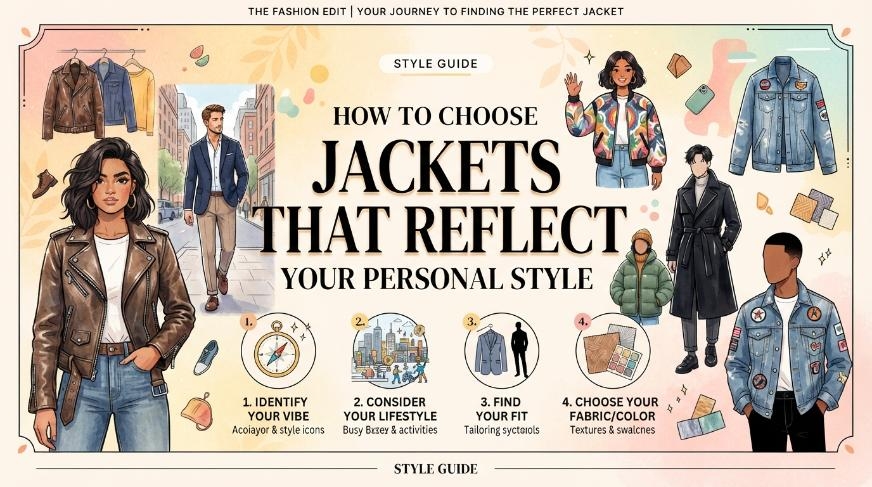
A great jacket does more than protect you from changing weather. It can define an outfit, communicate your personality, and become one of the most recognizable pieces in your wardrobe. Whether your style leans toward rugged workwear, polished minimalism, vintage fashion, streetwear, or casual everyday dressing, the right jacket can bring your entire look together.
That is why choosing a jacket should involve more than picking a color or buying whatever happens to be trending. The best choice considers your lifestyle, preferred silhouettes, existing wardrobe, comfort requirements, and the visual message you want your clothing to communicate. A jacket that looks impressive on someone else may not feel authentic when it does not align with your personal style.
From classic bombers and denim layers to utility-inspired outerwear and statement colors, there are countless options available. The key is understanding what makes a jacket feel like you and then using that knowledge to make smarter wardrobe decisions.
Start by Defining Your Personal Style
Before considering fabrics, colors, or brands, think about the clothes you already enjoy wearing. Your favorite outfits can reveal patterns that make it easier to identify your personal aesthetic.
For example, someone who frequently wears jeans, boots, graphic shirts, and heavyweight sweatshirts may naturally gravitate toward rugged or workwear-inspired outerwear. Someone who prefers tailored trousers, neutral sweaters, and clean sneakers might feel more comfortable in a minimalist jacket with a streamlined silhouette.
Look for recurring characteristics in your wardrobe, including:
- Preferred colors and combinations
- Loose, regular, or fitted silhouettes
- Casual versus structured clothing
- Vintage, modern, or timeless influences
- Preference for bold details or understated designs
- Practical features such as hoods, pockets, and durable fabrics
Once these patterns become clear, jacket shopping becomes considerably easier. Instead of starting with hundreds of possibilities, you can narrow the field to designs that already make sense with your existing clothing.
Match the Jacket to Your Lifestyle
Personal style is important, but a jacket also needs to work in real life. Consider where you spend most of your time and what you expect your outerwear to do.
If you commute on foot, spend weekends outdoors, or work in environments where clothing experiences significant wear, durability and mobility may be more important than delicate detailing. A structured jacket with dependable construction can become a practical everyday layer while still looking fashionable.
On the other hand, if you primarily need outerwear for dinners, social occasions, travel, or city outings, you may prioritize a cleaner profile and versatile appearance. A lightweight jacket that layers easily can be more useful than a heavy-duty design that dominates every outfit.
| Lifestyle | Jacket Characteristics to Consider | Style Direction |
|---|---|---|
| Outdoor and active | Durable fabric, weather resistance, practical pockets | Utility, workwear, technical |
| Urban commuting | Lightweight construction, easy layering, comfortable fit | Minimalist, casual, contemporary |
| Weekend casual | Relaxed silhouette, versatile colors, everyday durability | Denim, bomber, workwear |
| Social and evening wear | Clean lines, refined materials, structured shape | Smart casual, modern, tailored |
| Vintage-inspired dressing | Classic cuts, heritage details, retro colors | Retro, Americana, heritage |
The ideal jacket should support your routine rather than simply occupy space in your closet. Think about how often you will wear it, what you will layer underneath, and whether its practical features solve a genuine need.
Choose Colors That Support Your Wardrobe
Color can dramatically change the personality of a jacket. Neutral shades such as black, navy, brown, gray, olive, and beige tend to work easily with a wide range of clothing. They are particularly useful when you want one jacket to serve as a dependable everyday layer.
However, personal style does not have to mean playing it safe. A colorful jacket can become the focal point of an outfit and express confidence, creativity, or a preference for distinctive fashion.
When considering a statement color, look at your existing wardrobe rather than thinking about the jacket in isolation. If most of your clothing consists of denim, white shirts, black trousers, gray sweatshirts, and neutral sneakers, a vivid jacket can provide contrast without making the outfit difficult to coordinate.
For shoppers drawn toward heritage workwear but interested in adding a brighter element, a carhartt jacket pink womens style can offer an interesting balance between recognizable utility-inspired design and a more expressive color palette.
Pay Attention to Jacket Silhouette and Fit
Even the most attractive jacket can look wrong if the proportions do not suit you. Fit influences how the entire outfit appears, so it deserves as much attention as color and material.
Start with the shoulders. The shoulder seam should generally sit in an intentional position rather than pulling noticeably across the upper body or extending excessively beyond the natural shoulder. From there, consider sleeve length, body length, and room through the chest and waist.
A relaxed jacket can create an effortless streetwear or vintage appearance, particularly when layered over hoodies and sweaters. A closer-fitting jacket tends to produce a cleaner and more streamlined outfit.
Consider these fit questions before purchasing:
- Can you comfortably move your arms?
- Will you wear sweaters or sweatshirts underneath?
- Does the jacket length complement your usual trousers?
- Do the sleeves reach an appropriate point on your wrists?
- Does the silhouette match the rest of your wardrobe?
Do not automatically assume that a tighter jacket is a better-fitting jacket. Outerwear often needs enough room for layering and movement. The goal is controlled proportion, not restriction.
Use Fabric to Communicate Character
The material of a jacket contributes significantly to its visual identity. Denim can feel casual and timeless, leather often communicates confidence and edge, wool can appear refined, while canvas and heavyweight cotton frequently create a rugged workwear impression.
Fabric also affects practicality. A lightweight material may be ideal for transitional seasons, while insulated construction makes more sense for cold-weather use. If you live in a climate with frequent rain, water resistance can be a more valuable feature than a decorative finish.
Think about texture as well as weight. Smooth fabrics generally create a cleaner aesthetic, whereas textured materials can give an outfit more visual depth. Combining contrasting textures is another effective way to make a simple outfit feel more considered.
For example, a textured jacket can work particularly well with a simple cotton T-shirt, straight-leg jeans, and understated footwear. The jacket becomes visually interesting without requiring numerous accessories.
Explore Heritage and Workwear-Inspired Designs
Workwear-inspired jackets have remained popular because they combine function with a strong visual identity. Their appeal often comes from practical construction, durable fabrics, generous pockets, sturdy hardware, and recognizable silhouettes.
These details can make a jacket feel authentic rather than overly decorative. They also make workwear styles highly adaptable. A rugged jacket can be paired with jeans and boots for a traditional look, or combined with sneakers and contemporary trousers for a more modern interpretation.
Color can change the character of the same basic design. A muted shade can reinforce a classic aesthetic, while a brighter color can make the piece feel more fashion-forward.
If your wardrobe already contains heritage-inspired basics, a pink carhartt jacket can function as a statement layer while maintaining the recognizable utility character associated with workwear styling.
Consider Vintage Influence Without Looking Costume-Like
Vintage-inspired fashion works best when it feels integrated into a modern wardrobe. Instead of recreating an entire historical outfit, choose one or two pieces with heritage characteristics and combine them with contemporary basics.
Bomber jackets are particularly effective for this approach. Their compact shape, ribbed cuffs, and recognizable military-inspired origins give them a distinct personality, while their relatively simple silhouette makes them easy to style.
A vintage-inspired jacket can be paired with:
- A plain crew-neck T-shirt and straight-leg jeans
- A sweatshirt, chinos, and casual sneakers
- A knitted sweater and dark denim
- A simple shirt, relaxed trousers, and boots
The objective is balance. If the jacket contains strong retro details, keep the remainder of the outfit relatively uncomplicated. This allows the outerwear to establish the aesthetic without making the overall appearance feel overly themed.
Let a Statement Jacket Become the Focal Point
Sometimes the best way to express personal style is to choose one memorable outerwear piece. A statement jacket can transform otherwise basic clothing into an intentional outfit.
Red is a particularly effective statement color because it is visually energetic and naturally draws attention. A red carhartt jacket can therefore serve as the centerpiece of a casual outfit, especially when paired with restrained colors underneath.
When wearing a strong statement jacket, think about visual hierarchy. The jacket should have room to stand out. Black, white, charcoal, denim, navy, and other subdued colors can provide a clean backdrop.
That does not mean every other item has to be plain. Small accessories can reinforce the jacket's color or texture, but avoid competing with the primary focal point.
Build Outfits Around Versatility
A jacket becomes more valuable when it works across multiple outfits. Before buying, mentally test it against at least three combinations from your existing wardrobe.
- Pair it with your most frequently worn jeans.
- Try it with your preferred casual trousers or chinos.
- Layer it over a T-shirt or shirt that you already own.
- Test it with your everyday footwear.
- Consider whether it works for both daytime and casual evening settings.
If you can create several convincing combinations without purchasing additional clothing, the jacket is likely to become a genuine wardrobe staple.
Versatility does not necessarily mean choosing a neutral jacket. A statement piece can also be versatile when the rest of your wardrobe provides enough complementary colors and simple silhouettes.
Think About Seasonal Layering
A jacket should also make sense for the temperatures and conditions where you live. Transitional-season outerwear is especially useful because it can be worn over lightweight shirts in mild weather and layered over knitwear when temperatures fall.
Pay attention to the jacket's construction and how much space it leaves for additional layers. A slim jacket may look excellent over a T-shirt but become uncomfortable over a chunky sweater. A relaxed silhouette offers greater flexibility, particularly during fall and spring.
For colder conditions, consider insulation, lining, hood design, cuffs, and closure systems. For warmer conditions, prioritize breathability and lower weight. Choosing according to actual climate conditions prevents the common mistake of buying visually appealing outerwear that remains unworn because it is impractical.
Balance Trends With Long-Term Personal Style
Fashion trends can provide inspiration, but they should not completely dictate your jacket choices. A trend-driven purchase may feel exciting initially and then become difficult to wear once the aesthetic changes.
Instead, identify which current trends genuinely complement your established preferences. If oversized clothing already suits your style, an oversized bomber may be worth exploring. If you prefer classic workwear, a modern interpretation of a heritage jacket may offer the right combination of current relevance and timeless appeal.
A useful rule is to ask whether you would still enjoy wearing the jacket if it disappeared from social media tomorrow. If the answer is yes, the purchase is probably connected to your personal taste rather than temporary hype.
Evaluate Quality Before Making a Purchase
Personal style matters, but quality determines whether a favorite jacket remains in rotation for years. Inspect construction details whenever possible.
Look closely at seams, stitching, hardware, lining, cuffs, pockets, zippers, and closures. Check whether the fabric feels appropriate for the intended use and whether the overall construction matches the price.
Important quality indicators include:
- Even and secure stitching
- Strong seam construction
- Reliable zipper or button operation
- Durable pocket attachment
- Comfortable cuffs and collar
- Fabric appropriate for the expected conditions
- Consistent finishing throughout the garment
A jacket with thoughtful construction is more likely to maintain its shape and appearance through repeated wear. This makes quality particularly important when buying a jacket intended to become a signature piece.
Develop a Simple Jacket Selection Process
With so many styles available, a repeatable decision-making process can prevent impulse purchases. Rather than asking only whether a jacket looks good, evaluate how it fits into your broader wardrobe strategy.
- Identify the purpose: Decide whether you need everyday outerwear, seasonal layering, workwear, travel clothing, or a statement piece.
- Define the aesthetic: Determine whether you are drawn to minimalist, vintage, rugged, sporty, streetwear, or smart-casual styling.
- Choose the silhouette: Decide between fitted, regular, cropped, oversized, or relaxed proportions.
- Select the color: Choose a neutral for maximum flexibility or a statement shade for stronger personality.
- Check the material: Match fabric weight and construction to your climate and intended use.
- Test versatility: Make sure the jacket works with several outfits you already own.
- Assess quality: Inspect construction, hardware, stitching, and finishing before committing.
This approach turns jacket shopping into a practical style exercise instead of an impulsive search for something that simply looks attractive on a product page.
Common Jacket-Shopping Mistakes to Avoid
Even experienced shoppers can make mistakes when choosing outerwear. One of the most common is buying a jacket solely because it looks impressive without considering whether it fits their lifestyle.
Another mistake is choosing a color that does not work with the rest of the wardrobe. A statement shade can be excellent, but if it clashes with most of your clothing, the jacket may spend more time hanging in the closet than being worn.
Ignoring proportions is another frequent issue. The right jacket should work with your typical trousers, footwear, and layering choices. A silhouette that looks stylish in isolation may become awkward when combined with the rest of your wardrobe.
Finally, avoid sacrificing comfort for appearance. If a jacket restricts movement, feels too heavy, or becomes uncomfortable after an hour of wear, its visual appeal will not compensate for the inconvenience.
Frequently Asked Questions (FAQs)
How do I know which jacket style suits me?
Start by examining your existing wardrobe, lifestyle, preferred colors, and typical silhouettes. Choose a jacket that naturally complements the clothes you already enjoy wearing rather than forcing yourself into an unfamiliar aesthetic.
Should I buy a neutral or colorful jacket?
Neutral jackets generally provide greater outfit flexibility, while colorful jackets can make stronger personal statements. If your wardrobe already contains many understated pieces, a statement color can add useful visual contrast.
How should a jacket fit?
The jacket should allow comfortable movement and provide enough room for the layers you expect to wear underneath. Pay particular attention to shoulder placement, sleeve length, body length, and overall proportions.
Are vintage-inspired jackets suitable for everyday outfits?
Yes. Vintage-inspired outerwear can be highly versatile when paired with modern basics. Combining one heritage-style jacket with contemporary jeans, trousers, sneakers, or boots can create a balanced everyday outfit.
What makes a jacket a good long-term wardrobe investment?
A strong long-term jacket combines a design you genuinely enjoy with durable construction, useful versatility, appropriate fabric, comfortable fit, and colors that work with your existing wardrobe.
Choose Outerwear That Feels Like You
The best jacket is not necessarily the most expensive, fashionable, or attention-grabbing option. It is the one that feels natural when you put it on and continues to work with the way you actually live and dress.
Start with your personal style, consider your lifestyle, evaluate fit and fabric, and then decide how much visual impact you want the jacket to make. Whether you prefer understated neutrals, durable workwear, vintage-inspired silhouettes, or bold statement colors, your outerwear should support the identity you want your wardrobe to communicate.
Most importantly, choose pieces you will genuinely wear. A well-selected jacket can become far more than another item in your closet—it can become the defining layer that makes even a simple outfit feel distinctly yours.

 English
 Arabic
 French
 Spanish
 Portuguese
 Turkish
 Dutch
Dutch
 Italiano
 Russian
 Romaian
 Portuguese (Brazil)
 Greek
Greek
