


HPV Vaccine at Home: Understanding the Immunization Process
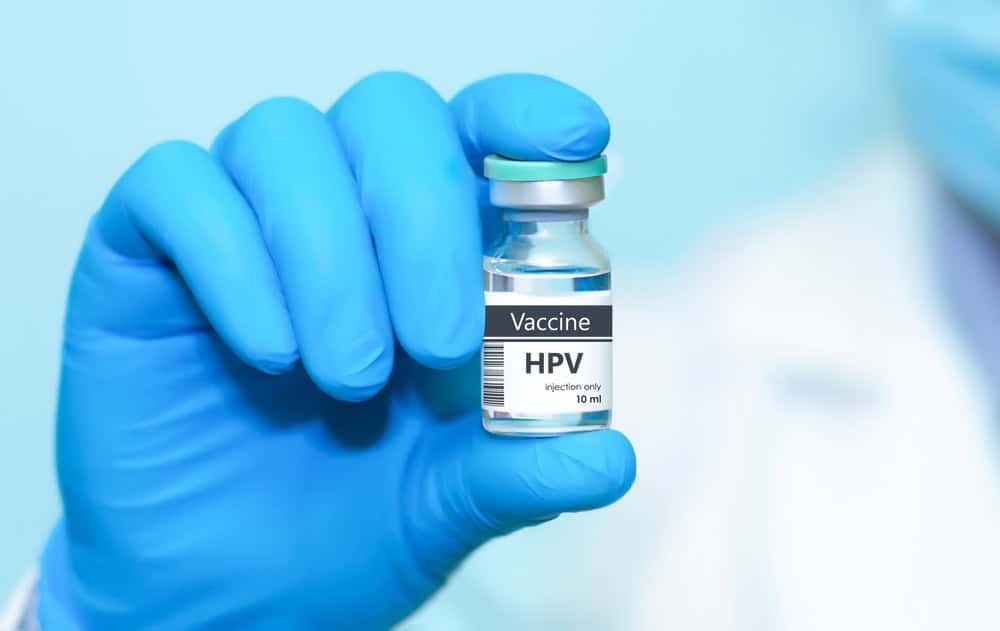
Understanding the immunization process can help individuals and families feel more prepared when arranging preventive healthcare. HPV Vaccine at Home in Dubai provides an option for eligible patients to receive HPV vaccination in a familiar home environment while benefiting from professional medical guidance. A Doctor at Home can review vaccination history, assess relevant health information, explain the vaccination process, and administer the vaccine using appropriate clinical procedures. By understanding what happens before, during, and after vaccination, patients and parents can approach a home-based HPV immunization appointment with greater confidence.
What Is HPV and Why Does Vaccination Matter?:
Human papillomavirus (HPV) is a common virus that can affect different areas of the body. While many HPV infections may clear naturally, certain types can persist and contribute to serious health conditions. Some high-risk HPV types are associated with cancers, including cervical, anal, penile, vulvar, vaginal, and certain oropharyngeal cancers. HPV vaccination is designed to help protect against specific HPV types and is an important preventive healthcare measure. Vaccination is generally most effective when provided before exposure to HPV, which is why it is commonly recommended during adolescence. Depending on age and individual circumstances, some adults may also be eligible for vaccination.
Who May Be Recommended to Receive the HPV Vaccine?:
HPV vaccination recommendations can depend on age, previous vaccination history, and individual circumstances. It is commonly recommended for adolescents, while catch-up vaccination may be appropriate for some people who were not vaccinated earlier. The number of doses and timing can vary depending on the age at which vaccination begins and other factors. Parents should discuss vaccination with a qualified healthcare professional when considering the vaccine for children or teenagers. Adults who have not previously received HPV vaccination can also ask a healthcare professional whether vaccination may be appropriate for them.
Scheduling an HPV Vaccine at Home Appointment:
The immunization process generally begins with scheduling an appointment through a professional home healthcare provider. During booking, patients may provide basic details such as age, vaccination history, preferred appointment time, and relevant health information. Having previous vaccination records available can help the healthcare professional determine what is required during the visit. Families may also mention whether multiple household members require vaccination so appropriate arrangements can be made. Confirming the appointment details in advance can help ensure that the healthcare professional arrives with the required vaccine and medical supplies.
Preparing for the Vaccination Visit:
Preparation can make the appointment more organized and comfortable. Patients or parents should gather vaccination records and information about previous vaccine reactions, known allergies, current medications, and relevant health conditions. Teenagers and children can be informed about the appointment in a calm and age-appropriate manner. Patients should wear clothing that provides convenient access to the upper arm, where the vaccine is typically administered. Before the appointment, it can also be useful to prepare questions about vaccine benefits, potential reactions, dose schedules, and follow-up requirements.
Helpful preparation steps include:
- Keeping previous vaccination records available
- Sharing relevant medical information
- Mentioning known allergies
- Reporting previous vaccine reactions
- Preparing questions for the healthcare professional
- Wearing comfortable clothing
- Following any instructions provided before the appointment
Medical Assessment Before Vaccination:
Before administering the HPV vaccine, the healthcare professional will generally conduct an appropriate assessment. This may include confirming the patient's identity and age, reviewing vaccination history, discussing previous reactions, and considering relevant health circumstances. The provider may explain whether the patient is due for a first dose or a subsequent dose and discuss the recommended schedule. Patients should answer questions honestly and provide complete information about their health. This assessment helps the healthcare professional determine whether vaccination is appropriate at that time and provides an opportunity to address concerns before the injection.
Understanding the Vaccine Administration Process:
Once the healthcare professional determines that vaccination is appropriate, the vaccine is prepared according to established clinical procedures. Proper vaccine handling and storage are important to maintain vaccine quality. The provider should verify the vaccine and patient details before administration and follow appropriate infection-control procedures. The HPV vaccine is typically administered as an injection into the upper arm. The injection itself is generally brief, although some individuals may experience temporary discomfort. The healthcare professional can explain what is happening during the process and help the patient remain comfortable.
Post-Vaccination Observation:
After receiving the vaccine, the patient may be observed for an appropriate period according to professional vaccination protocols. Observation is particularly relevant for adolescents because fainting can occasionally occur after injections. The healthcare professional can monitor the patient and answer any immediate questions during this period. Patients should inform the provider if they feel dizzy, unwell, or experience another unexpected symptom. Once the observation period is complete and the patient is considered well, the healthcare professional can provide additional aftercare instructions and explain any future vaccination requirements.
Common Reactions After the HPV Vaccine:
Like other vaccines, HPV vaccination can cause temporary reactions in some people. Common effects may include soreness, redness, or swelling around the injection site. Some individuals may also experience tiredness, headache, muscle aches, or a mild fever. These reactions are generally temporary, but patients should follow the aftercare guidance provided by their healthcare professional. Parents can monitor teenagers and children for expected reactions and seek appropriate medical advice if severe or unusual symptoms occur. Understanding potential side effects before vaccination can help families distinguish normal temporary responses from situations that require further evaluation.
Following the Recommended Vaccination Schedule:
Completing the recommended HPV vaccination schedule is important for individuals who require more than one dose. The number and timing of doses depend on factors such as age when vaccination begins and vaccination history. The healthcare professional can explain when the next dose is recommended and help the patient understand the importance of completing the schedule. Families can use calendars, reminders, or healthcare records to avoid missing follow-up appointments. Patients should not assume that all individuals require the same number of doses, making professional guidance important for determining an appropriate schedule.
Maintaining Accurate Immunization Records:
Vaccination records provide important information about previous immunizations and future healthcare needs. After an HPV vaccine appointment, patients should receive appropriate documentation showing details such as the vaccine administered and date of vaccination. Parents should keep their children's vaccination records secure and make them available during future medical appointments. Accurate records can help healthcare professionals determine whether another dose is required and prevent unnecessary confusion about vaccination history. Organized documentation is particularly useful for teenagers as they transition toward managing more of their own healthcare.
Benefits of Receiving HPV Vaccination at Home:
Home-based HPV vaccination can provide several practical advantages while maintaining professional medical oversight. Patients can receive vaccination without traveling to a healthcare facility, which may save time and make appointments easier to fit into busy schedules. A familiar environment may also be more comfortable for children, teenagers, or adults who experience anxiety about clinical visits. Other potential benefits include:
- Reduced travel and waiting time
- Convenient appointment scheduling
- Greater privacy
- Comfortable surroundings
- Direct access to professional guidance
- Easier coordination for family members
These benefits can make preventive immunization more accessible for eligible individuals.
Choosing a Safe and Professional Home Vaccination Service:
The quality of home vaccination depends on the provider's professional standards and procedures. Patients should select a healthcare provider that uses qualified professionals and follows appropriate vaccine storage, transportation, administration, documentation, and monitoring practices. It is also useful to confirm that pre-vaccination assessment and post-vaccination guidance are included. Families can ask about the provider's procedures for managing unexpected reactions and maintaining vaccination records. Choosing a reputable service helps ensure that home-based convenience is supported by responsible clinical care.
Integrating HPV Vaccination Into Preventive Healthcare:
HPV vaccination is an important part of preventive healthcare, but it should be combined with other recommended health measures. Depending on age and individual circumstances, patients may need routine medical checkups and appropriate screening services. Vaccination does not protect against every HPV type, so following relevant screening recommendations remains important. Parents can also use vaccination appointments as opportunities to discuss broader preventive healthcare with teenagers. Taking a proactive approach to immunization, screening, healthy lifestyle habits, and routine medical care can support better long-term health outcomes.
Final Thoughts:
Understanding the immunization process can make HPV Vaccine at Home in Dubai a more straightforward and comfortable experience for eligible individuals and families. From scheduling and pre-vaccination assessment to professional administration, post-vaccination observation, and follow-up scheduling, every stage contributes to safe preventive care. Home vaccination can reduce travel demands while providing professional guidance in a familiar environment. By maintaining accurate vaccination records, following recommended schedules, understanding possible reactions, and choosing a qualified healthcare provider, patients can take a well-informed approach to HPV prevention and long-term health.

 English
 Arabic
 French
 Spanish
 Portuguese
 Deutsch
 Turkish
 Dutch
Dutch
 Italiano
 Romaian
 Portuguese (Brazil)
 Greek
Greek
