


Leafy Hunting Suit Guide: Choose the Right Camouflage for Outdoor Use
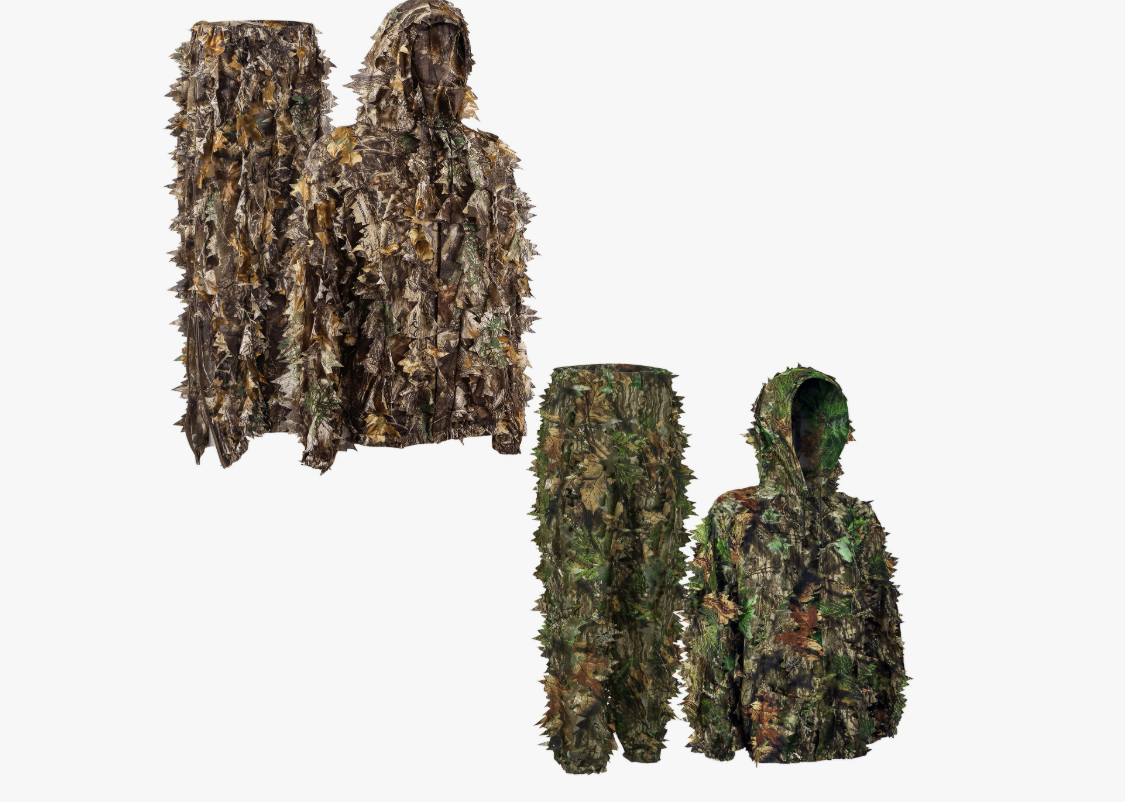
Choosing the right outdoor clothing involves more than selecting a pattern that looks natural. Hunters and outdoor enthusiasts often spend long periods in changing environments where weather, vegetation, terrain, and movement can all affect comfort and performance. A leafy hunting suit is designed with three-dimensional foliage-inspired elements that add texture to traditional camouflage, helping break up the wearer's outline against suitable natural backgrounds. These garments can be useful for hunters, wildlife observers, photographers, and other outdoor users who need lightweight coverage that complements woodland, brush, grassland, and similar environments.
Modern camouflage clothing is available in many designs, materials, and configurations. Some garments emphasize lightweight construction and ventilation, while others prioritize greater coverage or durability for demanding terrain. The ideal choice depends on the user's environment, season, activity level, and personal preferences. Understanding camouflage patterns, fabric construction, fit, weather resistance, durability, and maintenance can help buyers choose a garment that offers practical value rather than simply focusing on appearance.
Understanding Three-Dimensional Camouflage
Leafy camouflage differs from conventional printed camouflage because it uses physical texture in addition to colors and patterns. Fabric strips, mesh panels, foliage-shaped elements, and other irregular components can create a more varied silhouette. When combined with colors that correspond to the surrounding environment, these features can help reduce the visual uniformity of clothing. However, three-dimensional camouflage is not equally appropriate for every environment. Dense woodland, open fields, brush, and seasonal landscapes have different colors and textures, so selecting a garment based on the actual surroundings is important. The amount of added material also affects weight and ventilation. A heavily textured design may provide more coverage but can be warmer and bulkier, while a lightweight design may be easier to wear during extended outdoor activities. Good camouflage clothing balances environmental compatibility with comfort and practicality.
Why Environment Matters When Selecting Camouflage
The surrounding landscape should guide the selection of any camouflage garment. Woodland environments can contain green foliage, brown branches, shadows, fallen leaves, and exposed soil, while open grassland may contain fewer vertical structures and more consistent colors. Seasonal changes can significantly alter these conditions. A pattern that complements green vegetation may look noticeably different when foliage becomes dry or changes color later in the year. Outdoor users should therefore consider where and when they expect to wear the garment. People who frequently move between different environments may benefit from a versatile pattern, whereas those who regularly use the same type of terrain may prefer a design suited to that specific setting. Evaluating the complete outfit is also important because exposed hands, face, footwear, or equipment can create visual contrast that the outer garment alone cannot address.
Choosing a leafy hunting suit for Comfort and Mobility
Comfort becomes especially important when an outdoor garment may be worn for several hours. A suitable suit should provide enough space for natural movement without becoming excessively loose or restrictive. Lightweight construction can reduce fatigue during walking, while breathable materials can help manage heat during warmer conditions. The garment should allow the wearer to bend, sit, kneel, walk, and move the arms comfortably. Adjustable cuffs, waist sections, hoods, and closures can improve fit and make layering easier. Buyers should also consider whether the suit is intended to be worn over regular outdoor clothing. If so, sizing should provide enough room for underlying layers without creating excessive bulk. A garment with too much material may become inconvenient in dense vegetation, so the goal should be an appropriate balance between coverage, mobility, and comfort.
Material and Weather Performance
Weather can change quickly during outdoor activities, making fabric selection an important consideration. Lightweight mesh is useful in warm conditions because it can encourage airflow and reduce heat accumulation. In cooler weather, a camouflage outer layer can be worn over insulating clothing to provide additional coverage without replacing the underlying layers. Water-resistant materials may offer protection against light moisture, but users should not assume that water resistance provides the same protection as waterproof construction. Wind, humidity, temperature, and physical activity should all be considered when comparing different designs. Material strength also matters because outdoor garments can encounter branches, brush, rocks, mud, and repeated friction. Strong seams, dependable closures, and securely attached textured elements can improve longevity and reduce the likelihood of premature damage.
Features That Improve Outdoor Functionality
Practical features can make specialized camouflage clothing considerably easier to use. Pockets may provide storage for small personal items, while access openings can allow the wearer to reach clothing or equipment underneath without removing the outer layer. Adjustable cuffs and waist sections can help keep the garment secure during movement. Hoods may provide additional coverage around the head and neck when appropriate, while ventilation panels can improve comfort in warm conditions. The construction of the textured elements can also influence noise and mobility. Excessively loose components may become caught on branches or create unnecessary bulk, while well-designed elements can provide texture without significantly limiting movement. Buyers should focus on features that correspond to their actual outdoor activities instead of choosing a garment simply because it has a long list of specifications.
Durability and Construction Quality
Outdoor clothing can be exposed to demanding conditions, so construction quality should be carefully evaluated before purchase. Frequent contact with vegetation, soil, moisture, and rough surfaces can place stress on fabric and seams. Reinforced stitching in high-use areas can improve durability, while strong closures and securely attached camouflage components can help the garment maintain its structure. Buyers should also consider whether minor damage can be repaired rather than requiring complete replacement. Lightweight materials do not necessarily mean poor durability; modern fabrics can provide a useful combination of low weight and resistance to everyday wear. Looking closely at seams, mesh, fasteners, and attachment points can provide a better indication of quality than appearance alone. A durable garment can offer better long-term value when it is intended for repeated seasonal use.
Maintenance and Proper Storage
Specialized camouflage clothing often requires appropriate care to preserve its appearance and construction. Manufacturers' washing instructions should always be followed because synthetic fabrics, mesh, and three-dimensional elements may respond differently to heat and detergents. After outdoor use, the garment should be checked for mud, moisture, leaves, seeds, and damaged components. Allowing it to dry completely before storage can help prevent odors and material deterioration. Excessive heat may damage synthetic materials or attached foliage-like elements, so recommended drying methods should be followed. Storage is another important consideration. Compressing a textured garment for long periods can flatten or tangle its components, potentially affecting its appearance and functionality. Regular inspection and careful maintenance can help extend the useful life of the clothing and keep it ready for future outdoor activities.
Safety and Responsible Use
Specialized camouflage should always be used alongside responsible outdoor practices. Hunters need to understand and follow applicable licensing requirements, seasons, land-access regulations, clothing rules, and other local requirements before entering the field. Concealment should never interfere with identifying people or surroundings safely. This is particularly important in areas where multiple hunters or other outdoor users may be present. Appropriate communication, awareness of surroundings, weather preparation, navigation tools, and suitable footwear remain important regardless of the camouflage system being used. Users should also understand the limitations of camouflage. A pattern or three-dimensional design does not guarantee concealment in every environment, and safe positioning and responsible decision-making should always take priority.
Future Trends in Leafy Camouflage Apparel
Camouflage clothing continues to develop as manufacturers explore improved textiles, lighter construction, greater breathability, and more adaptable three-dimensional designs. Modern manufacturing techniques make it possible to create foliage-inspired textures without relying exclusively on heavy materials. Seasonal and environment-specific patterns are also becoming more sophisticated, giving outdoor users greater choice when selecting clothing for particular landscapes. Modular designs may provide additional flexibility by allowing users to adapt outer layers to different temperatures and environments. Sustainability is another emerging consideration, as durable products that remain functional across multiple seasons can reduce the need for frequent replacement. Future camouflage garments are likely to focus on combining visual texture with comfort, mobility, weather adaptability, and long-term durability.
Conclusion
Choosing the right camouflage garment requires consideration of much more than pattern and appearance. A quality leafy hunting suit can combine three-dimensional visual texture with practical outdoor coverage, but its usefulness depends on the environment, material, fit, weather conditions, and intended activity. Buyers should evaluate breathability, mobility, construction quality, maintenance requirements, and durability before making a decision. With appropriate selection and responsible use, a well-designed leafy camouflage suit can become a comfortable and practical part of an outdoor clothing system, providing useful coverage while allowing users to move confidently through suitable natural environments.

 English
 Arabic
 French
 Portuguese
 Deutsch
 Turkish
 Dutch
Dutch
 Italiano
 Russian
 Romaian
 Portuguese (Brazil)
 Greek
Greek
