


Post-Storm Exterior Rehabilitation: Safeguarding Property Glass Against Wind-Borne Grit, Structural Stress, and Moisture Intrusion
Post-Storm Exterior Rehabilitation: Safeguarding Property Glass Against Wind-Borne Grit, Structural Stress, and Moisture Intrusion
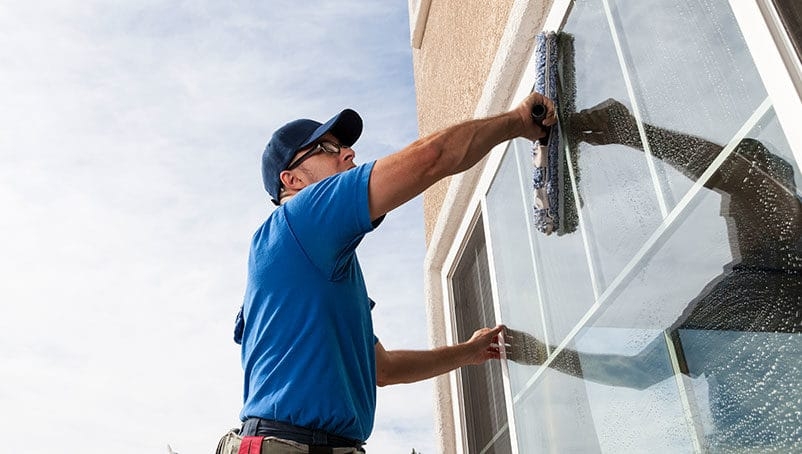
Severe weather events—ranging from high-wind thunderstorms and microbursts to heavy rainfall and seasonal hail—subject building exteriors to intense mechanical and chemical stress. Beyond obvious structural impacts, storms deposit dense layers of wind-driven soil, organic leaf tannins, mineralized rainwater, and abrasive airborne grit onto window assemblies. If neglected post-storm, this microscopic residue bakes under direct solar heat, accelerating frame oxidation and etching glass surfaces. Scheduling prompt service with the best window cleaners near me plays a vital role in restoring building aesthetics, inspecting window perimeters for storm-induced seal failures, and protecting glass panes from permanent environmental degradation.
Post-Storm Glass Contaminants vs. Standard Atmospheric Grime
Storm conditions introduce unique environmental hazards that differ significantly from ordinary daily dust accumulation.
Critical Post-Storm Window Inspection Protocol
Following a major weather event, performing a systematic inspection helps identify early signs of window failure before water infiltration causes interior drywall or framing damage.
-
Checking Frame Weep Hole Drainage: Heavy downpours often wash roof debris and small twigs into bottom window tracks. If the small exterior drainage slots (weep holes) become blocked, subsequent rainfall pools inside the track and overflows into interior flooring.
-
Evaluating Insulated Glass Unit (IGU) Seals: High wind pressure places severe flexing stress on double and triple-pane window units. Inspect panes for internal fogging or moisture beads between glass layers, which signal a blown perimeter seal.
-
Inspecting Glazing Putty and Silicone Gaskets: Violent wind gusts can detach or crack aging rubber weatherstripping and glazing putty, creating air drafts and water entry channels.
-
Assessing Screen Damage: High-speed winds press insect screens tightly against exterior glass, trapping grit and causing metal or fiberglass mesh to scrape against the pane surface.
Step-by-Step Professional Storm Recovery Washing Process
Restoring storm-impacted glass requires specialized equipment and gentle washing protocols to prevent fine debris from scratching the glass substrate during cleaning.
-
Step 1: High-Volume Low-Pressure Pre-Rinse
Technicians flood the window surface with low-pressure purified water to dissolve and flush away heavy particulate matter without abrasive friction.
-
Step 2: Organic Matter Neutralization
An eco-friendly, pH-balanced cleaning solution is applied to break down sticky leaf tannins, sap, and insect debris embedded along the frames and glass corners.
-
Step 3: Agitation with Ultra-Soft Water-Fed Brushes
Using soft nylon or natural boar-bristles mounted on carbon-fiber poles, technicians gently loosen remaining stubborn spots while continuously flushing the area with deionized water.
-
Step 4: Track, Sill, and Screen Restoration
Screens are removed and washed separately, while window sills and track channels are vacuumed, wiped down, and cleared of all mud and organic buildup.
Protecting Property Value and Exterior Integrity
Prompt post-storm exterior maintenance prevents temporary storm residue from turning into permanent surface damage. By flushing out blocked drainage tracks, clearing abrasive grit, and restoring full natural daylighting, property owners maintain structural weatherproofing and preserve curb appeal after severe weather.
For comprehensive post-storm exterior washing, glass restoration, and complete building envelope maintenance, relying on seasoned local specialists like Phillips Exterior Cleaning guarantees high safety standards, advanced pure-water cleaning technology, and pristine, long-lasting results for your property.

 English
 French
 Spanish
 Portuguese
 Deutsch
 Turkish
 Dutch
Dutch
 Italiano
 Russian
 Romaian
 Portuguese (Brazil)
 Greek
Greek
