


Transforming Maryland Landscapes: The Essential Guide to Custom Hardscaping in Annapolis, MD
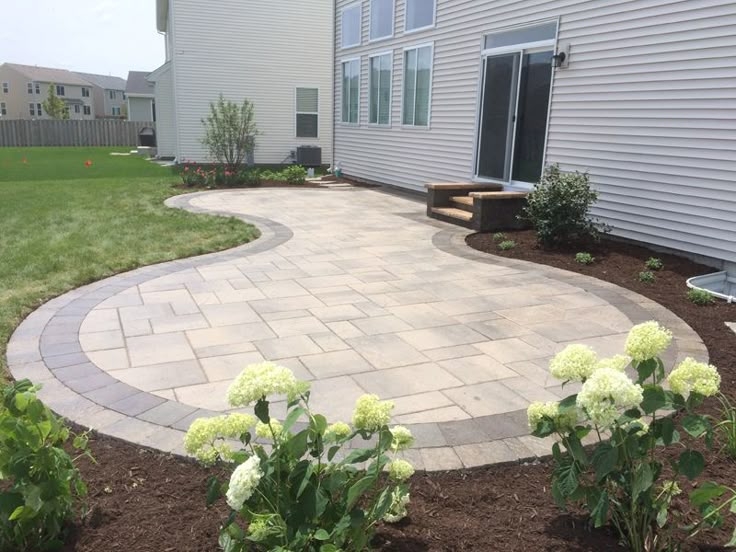
What Is Hardscaping? Understanding the Architectural Foundation
While softscaping refers to living horticultural elements like trees, turf, shrubs, and perennials, hardscaping covers the built structural features of your landscape. It establishes the physical framework that defines how outdoor space is used, navigated, and maintained.
A well-planned hardscape project balances aesthetics with structural engineering. It transforms uneven terrain into multi-level living areas, solves water pooling issues, creates distinct walking paths, and provides low-maintenance outdoor spaces that last for decades.
Core Hardscape Installation Services
1. Interlocking Paver Patios and Custom Walkways
Patios and walkways are the primary pathways and gathering zones of any residential yard. Interlocking concrete pavers, natural bluestone, and travertine have largely replaced traditional poured concrete due to their superior strength, flexibility, and refined look.
-
Structural Sub-Base Prep: A long-lasting patio relies on invisible groundwork. Excavation, geotextile fabric installation, aggregate base compaction, and precise bedding sand layers prevent settling and shifting over time.
-
Edge Restraints and Jointing: Heavy-duty edge restraints lock pavers in place, while high-performance polymeric sand seals the joints to inhibit weed growth and ant infestation.
-
Architectural Styles: Options range from modern large-format slabs and linear soldier courses to traditional cobble patterns and warm tumbled stone textures.
2. Engineered Retaining Walls and Structural Seating Walls
Retaining walls are vital engineering structures designed to retain soil, prevent erosion, and create usable flat terraces on sloped lots.
-
Soil Retention & Slope Stabilization: Properties near local waterways often contend with severe slopes and soil movement. Segmental retaining wall systems use interlocking blocks reinforced with geogrid mesh to hold tons of earth safely.
-
Built-in Hydrostatic Drainage: Water accumulation behind a wall is the leading cause of structural failure. Professional builders incorporate perforated drain tile, gravel backfill, and weep holes to channel groundwater away safely.
-
Integrated Sitting Walls: Double-sided masonry walls placed along patio perimeters provide natural overflow seating for guests without requiring extra outdoor furniture.
3. Transition Steps, Terraces, and Grade Changes
Navigating changes in elevation requires sturdy, slip-resistant stairways that integrate naturally into the surrounding stone structures.
-
Heavy Stone Risers: Utilizing thick natural stone steps or custom-capped paver risers creates seamless transitions between upper decks, lower patios, and pool surrounds.
-
Terraced Garden Beds: Multi-tiered retaining walls create elevated planting beds that break up mass masonry surfaces with vibrant green foliage.
4. Permeable Paver Systems and Heavy-Duty Driveways
Residential driveways take the brunt of vehicle weight and weather exposure. Permeable hardscaping offers a modern, eco-friendly solution to traditional asphalt or concrete.
-
Eco-Friendly Stormwater Infiltration: Permeable pavers feature wider aggregate-filled joints that allow rainwater to filter directly into the ground base below, reducing surface runoff.
-
High Load Capacity: Thick, high-density pavers engineered specifically for vehicular traffic eliminate cracking, oil absorption, and unsightly spalling.
Key Annapolis Considerations: Coastal Climate & Local Regulations
Constructing hardscapes in Anne Arundel County requires specialized knowledge of regional environmental factors:
+-------------------------------------------------------------------------------+
|                      ANNAPOLIS HARDSCAPE PLANNING FACTORS                      |
+--------------------------+----------------------------------------------------+
| Factor                   | Structural / Design Solution                       |
+--------------------------+----------------------------------------------------+
| Coastal Freeze-Thaw      | High-density pavers with low absorption rates to    |
| Cycles                   | prevent winter spalling and cracking.              |
+--------------------------+----------------------------------------------------+
| Critical Area Buffer     | Permeable paving systems & bio-retention zones to  |
| Regulations              | comply with county stormwater runoff codes.        |
+--------------------------+----------------------------------------------------+
| High Clay & Silt Soil    | Deep sub-grade excavation & compacted aggregate    |
| Formations               | drainage bases to prevent structural settling.     |
+--------------------------+----------------------------------------------------+
Step-by-Step Construction Process
Executing a high-grade hardscape build follows a disciplined construction sequence:
-
Site Assessment & Utility Clearance: Surveying property boundaries, analyzing soil stability, checking elevation points, and marking underground public and private utilities.
-
Excavation & Sub-Grade Stabilization: Removing organic topsoil down to stable sub-soil, installing geotextile separation fabric, and placing crushed stone bases in compacted lifts.
-
Meticulous Stone Laying: Setting pavers or wall units according to precise laser levels, ensuring proper slope pitch away from house foundations.
-
Joint Polymeric Sanding & Sealing: Sweeping specialized jointing sand across the surface, mechanically compacting it into joints, misting with water to activate binding agents, and applying protective sealers.
Long-Term Maintenance & Protection
While hardscapes require significantly less upkeep than natural lawns, regular care ensures your investment stays pristine:
-
Periodic Polymeric Sand Top-Offs: Re-sanding joint gaps every few years maintains structural interlock and deters weed seeds.
-
Surface Cleaning & Sealing: Washing off organic tree tannins, leaf stains, and dirt using pH-balanced masonry cleaners followed by a breathable sealant preserves deep color tones and resists UV fading.

 English
 Arabic
 French
 Spanish
 Portuguese
 Deutsch
 Dutch
Dutch
 Italiano
 Russian
 Romaian
 Portuguese (Brazil)
 Greek
Greek
