


What Are Flexible Dentures, and Are They Right for You?
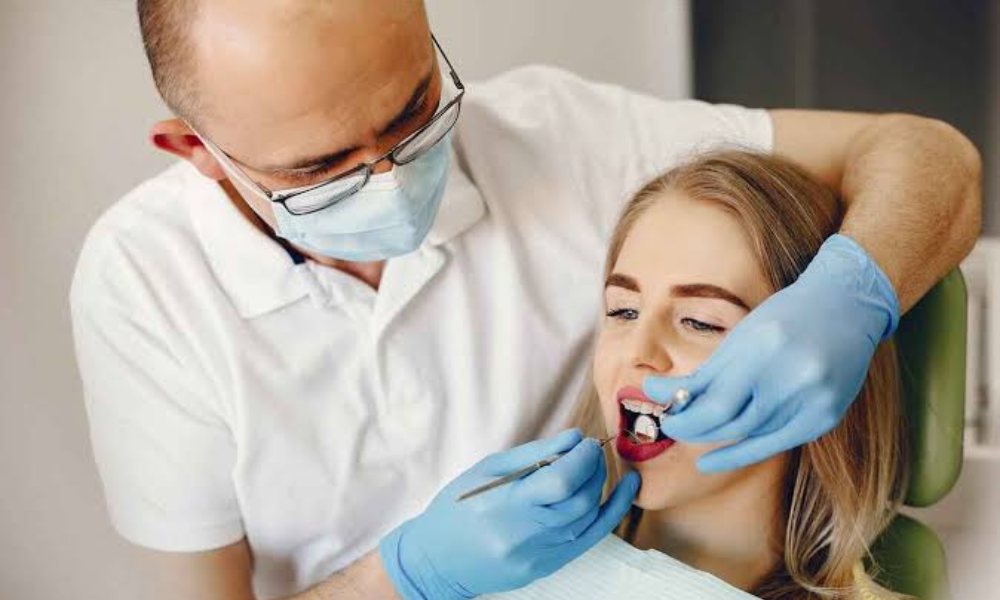
If you have missing teeth and are looking for a comfortable and discreet way to restore your smile, flexible dentures may be an option worth considering. Unlike traditional dentures, which are commonly made from acrylic or include metal components, flexible dentures are typically made from thermoplastic materials such as nylon or other flexible resins.
Their lightweight construction and tooth-coloured appearance can make them particularly appealing to people who want a more natural-looking alternative to conventional removable partial dentures. However, flexible dentures are not suitable for everyone, and their benefits and limitations should be considered before making a decision.
What Are Flexible Dentures?
Flexible dentures are removable dental appliances designed to replace one or more missing teeth. They are generally made from flexible thermoplastic materials that can bend slightly while being inserted and removed from the mouth.
Instead of relying on visible metal clasps, many flexible partial dentures use gum-coloured or tooth-coloured extensions that fit around natural teeth. This can create a more discreet appearance.
Nylon and polyamide materials have been used for denture bases for decades. Research shows that flexible dentures can offer aesthetic and comfort advantages, although their mechanical properties and long-term performance can differ from conventional acrylic dentures.
How Do Flexible Dentures Work?
Flexible dentures work by using the natural shape and undercuts around your remaining teeth and gums to help hold the appliance in position. The flexible material allows the denture to adapt to the contours of the mouth.
Because there is often no rigid metal framework, the appliance can feel thinner and lighter than some traditional partial dentures. The flexible clasps can also blend with the surrounding gum tissue, making them less noticeable when you smile or speak.
However, retention depends on the individual design, the position of the remaining teeth and the condition of the mouth. Research has found that conventional materials can provide better retention in some situations, so flexibility does not automatically mean better stability.
Benefits of Flexible Dentures
One of the main attractions of flexible dentures is their appearance. Their translucent or gum-coloured material can make clasps less obvious than traditional metal alternatives.
Other potential benefits include:
-
Natural-looking appearance: Flexible clasps can blend with the gums and surrounding teeth.
-
Lightweight design: Thermoplastic materials can be made relatively thin, which may improve comfort.
-
No visible metal clasps: This can be beneficial for people who are concerned about the appearance of their denture.
-
Limited tooth preparation: Some flexible partial dentures can be fitted without extensive preparation of the supporting teeth.
-
Flexibility: The material can adapt around certain contours of the mouth.
-
Patient satisfaction: A clinical trial found higher satisfaction and better appearance ratings among participants using thermoplastic resin partial dentures compared with conventional metal-clasp dentures.
These advantages can make flexible dentures attractive for patients who prioritise appearance and comfort.
Are There Any Disadvantages?
Despite their benefits, flexible dentures have some limitations. They are not necessarily a universal replacement for conventional acrylic or metal-supported dentures.
One concern is that some flexible materials can be more difficult to adjust, repair, reline or rebase. They can also develop surface roughness and staining over time, particularly if they are not cleaned and maintained properly.
Retention is another consideration. Some evidence suggests flexible dentures may have lower retention than conventional dentures in certain circumstances. Recent evidence reviews also describe the overall research as inconsistent, with outcomes varying depending on the material, design and patient.
For this reason, choosing a flexible denture should involve a proper dental assessment rather than being based solely on appearance.
How Should You Care for Flexible Dentures?
Good cleaning habits are essential for keeping any removable denture comfortable and hygienic. Food particles and plaque can accumulate around the denture and the natural teeth supporting it.
Remove the denture as advised by your dental professional and clean it regularly using appropriate denture-cleaning methods. Avoid using abrasive products that could scratch the surface. You should also continue brushing and caring for your natural teeth and gums.
Regular dental appointments are important because your mouth can change over time. Your dentist can check the condition and fit of the denture, as well as the health of your remaining teeth and gums.
Who Could Benefit from Flexible Dentures?
Flexible dentures may be suitable for some people who have one or several missing teeth and want a removable appliance with a discreet appearance.
They may be particularly appealing if you:
-
Want to avoid visible metal clasps
-
Prefer a lightweight removable appliance
-
Need a temporary or alternative partial denture solution
-
Have cosmetic concerns about traditional partial dentures
-
Have specific sensitivities that make certain conventional materials unsuitable
However, suitability depends on factors such as the number and location of missing teeth, the condition of your remaining teeth, your bite, gum health and the amount of support available.
Some clinical guidance has cautioned against using highly flexible non-metal clasp dentures as definitive appliances in many situations because their flexibility may not provide the rigidity needed for certain cases.
Flexible Dentures vs Traditional Dentures
Traditional dentures and flexible dentures both aim to replace missing teeth, but they use different materials and designs.
Traditional partial dentures may use acrylic bases or metal frameworks, while flexible dentures generally use thermoplastic materials. Flexible designs can offer an aesthetic advantage because they may avoid visible metal clasps.
On the other hand, conventional dentures can offer greater rigidity and may be easier to adjust or repair depending on their construction. Evidence comparing flexible and conventional dentures remains mixed, with flexible options appearing better for some aesthetic and satisfaction outcomes but potentially worse for retention in some cases.
The right choice therefore depends on your individual dental needs rather than simply choosing the newest or most flexible option.
Is a Flexible Denture Right for You?
The best way to find out whether a flexible denture is appropriate is to have your mouth assessed by a qualified dental professional. They can examine your remaining teeth, gums and bite and determine whether the design will provide enough support and stability.
A flexible denture may be an excellent choice for some patients, particularly when appearance and comfort are important. For others, an acrylic, metal-supported or another type of removable denture may provide better long-term function.
If you are considering your options, visiting a reputable denture clinic can help you understand which type of denture is appropriate for your needs. A professional assessment can also help you compare the expected comfort, appearance, maintenance and durability of different options before treatment begins.
Final Thoughts
Flexible dentures can provide a discreet and lightweight way to replace missing teeth, making them an appealing option for many people. Their gum-coloured appearance, lack of prominent metal clasps and flexible construction are among their biggest advantages.
However, they also have limitations, including potential difficulties with repairs and adjustments and questions around retention and long-term performance. Current evidence suggests that results can vary considerably depending on the material, design and individual patient.
Rather than choosing a denture based purely on appearance, it is important to consider how well it will function in your particular mouth. A dental professional can assess your needs and explain whether flexible dentures or another type of denture would give you the best balance of comfort, appearance and function.

 English
 Arabic
 French
 Spanish
 Portuguese
 Deutsch
 Turkish
 Italiano
 Russian
 Romaian
 Portuguese (Brazil)
 Greek
Greek
