


Should You Choose a Condensing or Non-Condensing Tankless Water Heater?
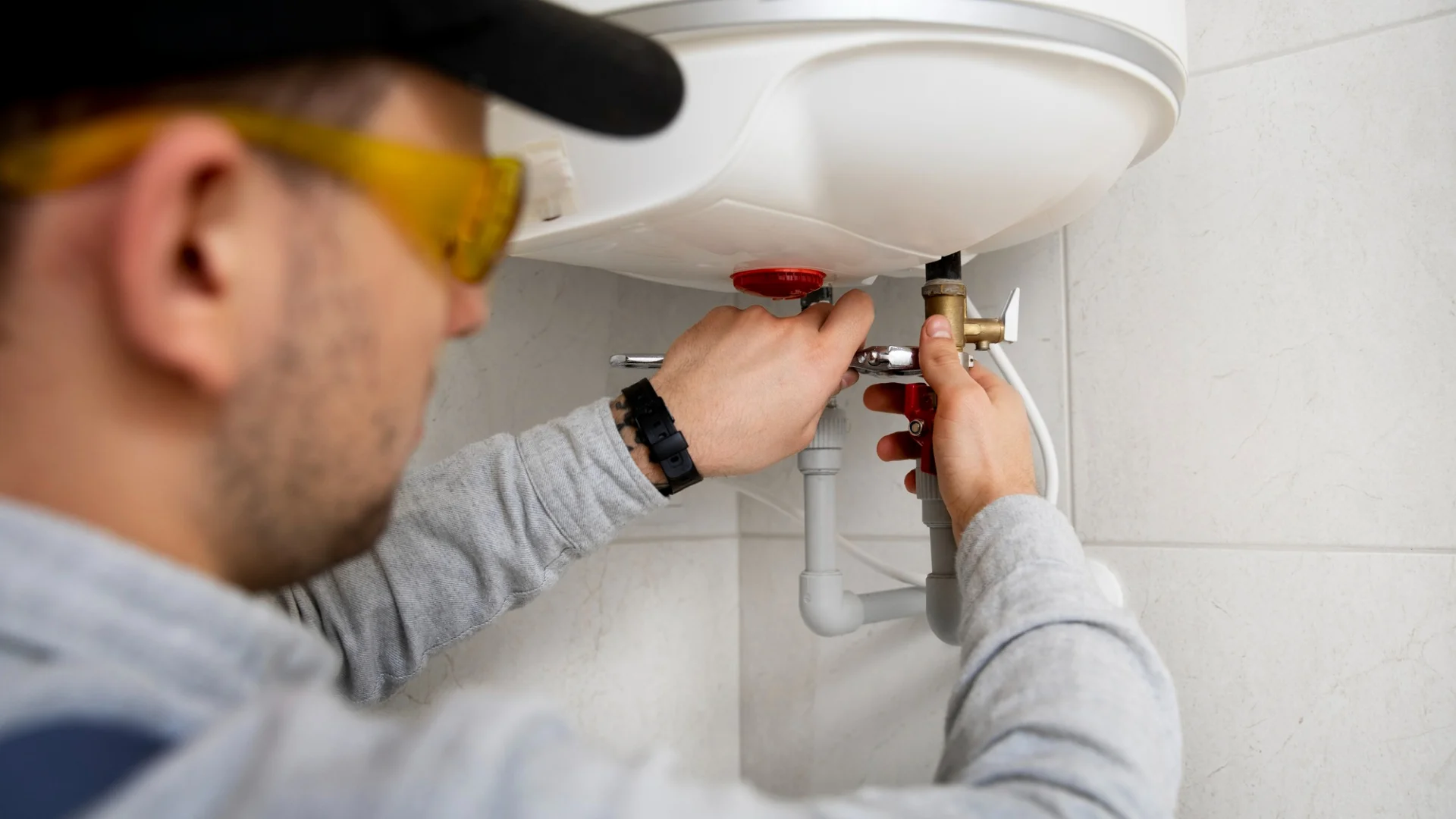
When upgrading to tankless water heating, homeowners often encounter an important choice: condensing or non-condensing?
Both systems heat water on demand, but their approaches to exhaust heat are different.
A condensing model captures additional heat from combustion gases before they are vented. This makes the system more efficient and reduces exhaust temperature. Because the cooling process creates condensate, drainage is required.
A non-condensing model sends hotter exhaust directly through its venting system after the primary heat exchanger does its job. These systems generally require metal venting capable of handling high temperatures.
Which Is Right?
If energy efficiency is your top priority, condensing technology may be attractive.
If installation simplicity and a lower initial equipment cost are more important, a non-condensing model may be worth considering.
However, your existing plumbing, gas supply, venting, installation location, and household demand should all be evaluated.
Read this detailed comparison of condensing and non-condensing tankless water heaters before making your decision:
Getting a professional recommendation can help you avoid selecting a unit that does not match your home's requirements.

 English
 Arabic
 French
 Spanish
 Portuguese
 Deutsch
 Turkish
 Dutch
Dutch
 Italiano
 Romaian
 Portuguese (Brazil)
 Greek
Greek
