


Cortisol Blood Test for Hormonal Symptoms: What You Should Know
Hormonal symptoms can be difficult to interpret because many of them overlap with everyday health concerns. Fatigue, unexplained weight changes, weakness, dizziness, sleep problems, mood changes, and blood pressure fluctuations can have numerous causes. In some situations, however, these symptoms may lead a healthcare professional to investigate cortisol and adrenal function.
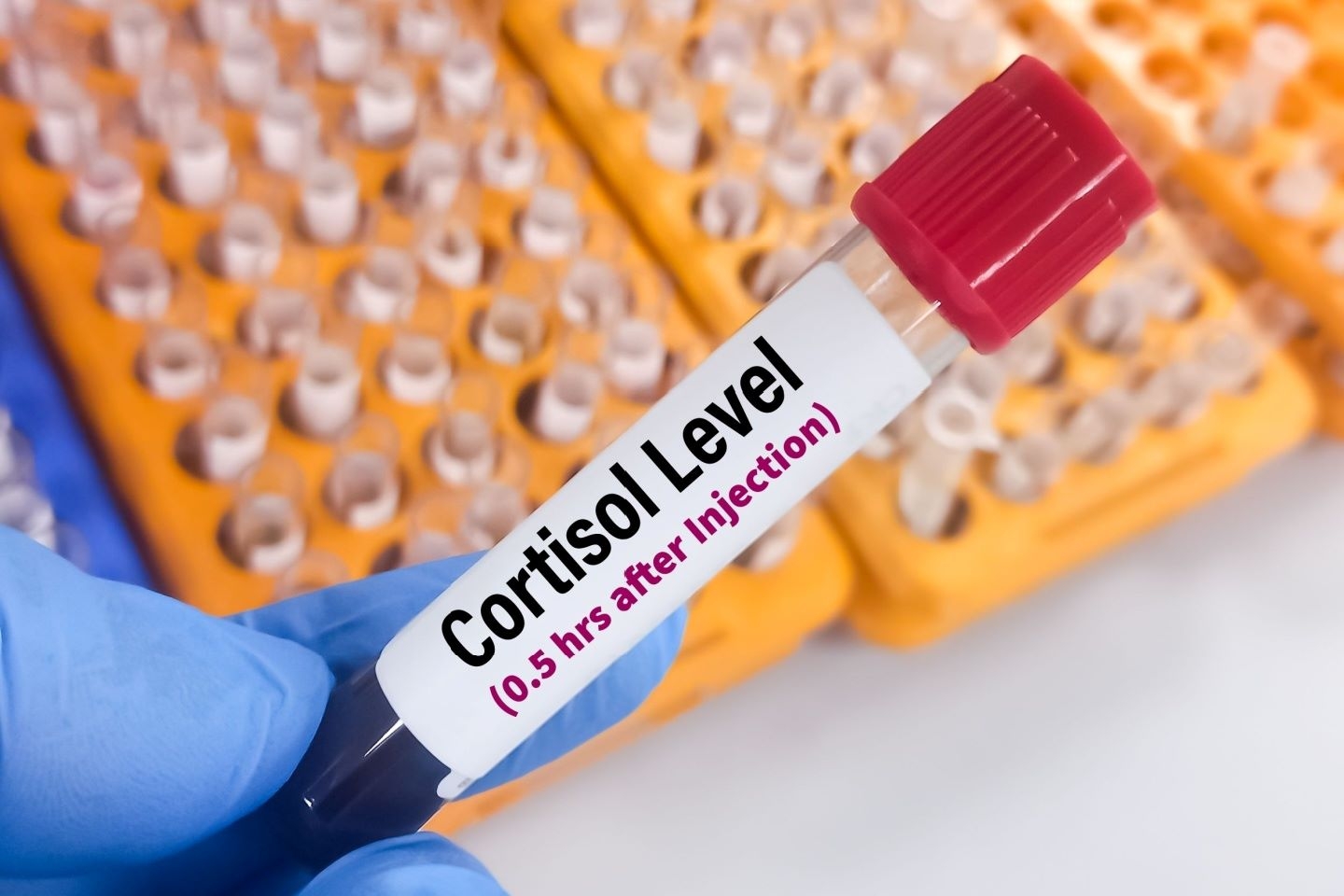
A Cortisol Blood Test Dubai measures the amount of cortisol circulating in the blood at a specific time. Cortisol is an important hormone produced by the adrenal glands and plays a role in blood pressure, blood glucose regulation, metabolism, immune activity, and the body's response to physical stress.
But does every hormonal symptom require cortisol testing? No. A cortisol test is most useful when the symptoms, medical history, examination findings, and other test results suggest a possible cortisol-related disorder.
Understanding what this test can and cannot tell you can make the testing process easier to understand.
What Is Cortisol and Why Does It Matter?
Cortisol is a steroid hormone produced by the adrenal glands, which sit above the kidneys.
It is regulated through communication between the hypothalamus, pituitary gland, and adrenal glands. This system is commonly called the hypothalamic-pituitary-adrenal axis, or HPA axis.
Cortisol helps the body:
- Maintain blood pressure
- Regulate blood glucose
- Respond to physical stress
- Support metabolism
- Modulate immune activity
- Maintain normal cardiovascular function
Cortisol levels naturally change throughout the day. They are generally higher in the morning and gradually decrease later in the day in people with a typical daytime sleep schedule.
This daily rhythm is one reason cortisol testing requires careful timing and interpretation.
Which Hormonal Symptoms May Lead to Cortisol Testing?
A cortisol blood test may be considered when symptoms suggest that cortisol production could be too low or too high.
However, symptoms alone cannot diagnose a cortisol disorder.
Symptoms Associated With Possible Low Cortisol
Insufficient cortisol production can occur with adrenal insufficiency. Possible symptoms include:
- Persistent fatigue
- Muscle weakness
- Dizziness
- Low blood pressure
- Unexplained weight loss
- Reduced appetite
- Nausea
- Vomiting
- Abdominal discomfort
- Salt cravings
- Skin darkening in some cases
The combination of symptoms is generally more informative than any single complaint.
Symptoms Associated With Possible High Cortisol
Long-term cortisol excess can occur in conditions such as Cushing syndrome.
Possible features include:
- Progressive weight gain
- Increased abdominal fat
- Muscle weakness
- Easy bruising
- Thinning skin
- Purple stretch marks
- High blood pressure
- Elevated blood glucose
- Menstrual changes
- Mood changes
Again, these symptoms can occur for many other reasons, so they do not automatically indicate excessive cortisol.
Why Is a Cortisol Blood Test Not a General Hormone Test?
It is easy to think of cortisol as a test for overall hormone balance, but that is not how the test works.
A cortisol blood test specifically evaluates cortisol concentration. It does not provide a complete assessment of thyroid hormones, reproductive hormones, insulin, growth hormone, or other endocrine functions.
For example, fatigue may be associated with thyroid disease, anemia, nutritional deficiencies, sleep disorders, medication effects, or many other conditions without any abnormality in cortisol.
This is why healthcare professionals usually choose hormone tests according to the symptoms and suspected diagnosis rather than ordering a broad cortisol test for every hormonal complaint.
When Might a Doctor Recommend a Cortisol Blood Test?
A doctor may consider cortisol testing when there is a reasonable clinical suspicion of adrenal dysfunction.
The decision may be influenced by:
Symptom pattern: Several symptoms may point toward cortisol deficiency or excess.
Medical history: Previous adrenal disease, pituitary disorders, autoimmune conditions, or prolonged corticosteroid use can be relevant.
Physical examination: Blood pressure changes, muscle weakness, skin changes, or other findings may provide clues.
Other laboratory results: Abnormal electrolytes, glucose levels, or related hormone measurements may support further evaluation.
Medication history: Steroid medicines can significantly affect adrenal hormone production and cortisol interpretation.
The purpose is to answer a specific medical question, rather than simply looking for an abnormal hormone value.
How Does a Cortisol Blood Test Work?
The test itself is relatively simple.
A healthcare professional collects a blood sample, usually from a vein in the arm. The laboratory then measures the cortisol concentration in the sample.
The collection process generally takes only a few minutes.
The more complicated part is interpreting the result.
Because cortisol follows a circadian rhythm, the collection time must be considered. A cortisol level that is appropriate in the morning could be unusual if measured at another time.
If adrenal insufficiency is suspected, an early morning cortisol test is commonly used as an initial assessment. The Endocrine Society recommends morning serum cortisol measurement at approximately 8 to 9 AM in certain evaluations of central adrenal insufficiency.
What Can a Low Cortisol Result Mean?
A low cortisol result can raise concern about adrenal insufficiency, particularly if the sample was collected in the morning and the person has compatible symptoms.
Adrenal insufficiency can be primary, meaning the adrenal glands themselves are impaired, or central, meaning the pituitary or hypothalamic signaling system is not adequately stimulating the adrenal glands.
A low result does not automatically establish the diagnosis.
The healthcare professional may consider the collection time, laboratory reference range, medication history, symptoms, and other hormone measurements.
Further testing may be required.
What Can a High Cortisol Result Mean?
An elevated cortisol result may have several explanations.
Cortisol can increase in response to physical or psychological stress, illness, pain, intense exercise, and certain medications or medical conditions.
Persistent cortisol excess can occur in Cushing syndrome, but a single high blood cortisol result is generally not enough to diagnose it.
When Cushing syndrome is suspected, healthcare professionals may use tests designed to evaluate cortisol regulation over time, such as late-night salivary cortisol, 24-hour urinary free cortisol, or a dexamethasone suppression test.
The appropriate test depends on the clinical situation.
Why Test Timing Matters for Hormonal Symptoms?
One of the most important factors in cortisol testing is when the sample is collected.
Cortisol is normally higher earlier in the day and lower later in the evening.
For example, a value considered normal at 8 AM may not be expected at midnight.
Sleep schedules can also affect interpretation. People who work overnight, regularly sleep during the day, or have significant sleep disruption may have different cortisol patterns.
Always tell your healthcare professional if your sleep schedule is unusual.
Can Stress Affect Cortisol Test Results?
Yes.
Cortisol is closely involved in the body's response to stress.
Short-term stress can temporarily increase cortisol production. Physical illness, injury, pain, intense exercise, and emotional distress may also influence cortisol levels.
This does not necessarily mean a cortisol test is unreliable. Instead, the result needs to be interpreted in the context of what was happening when the sample was taken.
It is also important to remember that measuring cortisol is not the same as measuring how stressed a person feels.
A person can experience significant stress without having a cortisol disorder.
Can Medication Change Cortisol Levels?
Medication history is particularly important when evaluating cortisol.
Corticosteroids can suppress the body's natural cortisol production and affect adrenal testing. Examples include prednisone, prednisolone, hydrocortisone, dexamethasone, and methylprednisolone.
Steroids may be used as tablets, injections, inhalers, creams, or other preparations.
Other medications may also influence cortisol metabolism or the interpretation of laboratory results.
For this reason, provide your healthcare professional with a complete list of medicines, supplements, and hormone treatments.
Do not stop prescribed steroid medication without medical guidance.
What Other Tests May Be Needed?
A cortisol blood test may be only the beginning of an endocrine evaluation.
If adrenal insufficiency is suspected, an ACTH level and an ACTH stimulation test may be considered. The ACTH stimulation test assesses how the adrenal glands respond when stimulated.
The Endocrine Society recommends the standard-dose corticotropin stimulation test as a preferred confirmatory test for suspected primary adrenal insufficiency when appropriate.
If cortisol excess is suspected, different tests may be more informative.
Depending on the symptoms, doctors may also investigate thyroid function, blood glucose, reproductive hormones, electrolyte levels, or other aspects of endocrine health.
How Should You Prepare for a Cortisol Blood Test?
Preparation depends on why the test is being performed.
Your healthcare professional may provide instructions regarding:
- The exact testing time
- Food and drink
- Exercise before the test
- Medication use
- Steroid treatments
- Sleep schedule
Do not change your medication routine unless your healthcare professional specifically tells you to do so.
Try to follow the laboratory's instructions carefully because testing conditions can influence interpretation.
What Happens After the Test?
Your cortisol result should be interpreted together with your symptoms and medical history.
A result within the laboratory's reference range does not necessarily explain every hormonal symptom. Likewise, an abnormal result does not automatically mean that you have a specific endocrine disease.
Your healthcare professional may:
- Review the result and collection time.
- Compare it with your symptoms and examination findings.
- Consider medication and recent illness.
- Repeat the test if necessary.
- Order additional hormone testing.
- Recommend specialized endocrine testing when appropriate.
This approach helps distinguish a temporary cortisol variation from a genuine hormone disorder.
Frequently Asked Questions:
Can a cortisol blood test detect hormonal imbalance?
It can identify an abnormal cortisol level, but it does not detect every type of hormonal imbalance. Other hormones require their own specific tests.
What symptoms suggest low cortisol?
Fatigue, weakness, dizziness, low blood pressure, unexplained weight loss, reduced appetite, nausea, and salt cravings can occur with adrenal insufficiency.
What symptoms can occur with high cortisol?
Weight gain, muscle weakness, easy bruising, high blood pressure, elevated blood glucose, thinning skin, and purple stretch marks can occur with prolonged cortisol excess.
Is cortisol testing accurate?
Cortisol testing can provide useful information, but results are highly dependent on timing, health status, medications, and the specific test used. Interpretation by a healthcare professional is important.
Can stress cause high cortisol?
Acute physical or emotional stress can temporarily increase cortisol. A temporary increase does not necessarily indicate a cortisol disorder.
Is a cortisol blood test enough to diagnose Cushing syndrome?
Usually not. When cortisol excess is suspected, specialized tests may be needed to confirm abnormal cortisol regulation.
The Bottom Line:
A cortisol blood Lab tests for hormonal symptoms can be valuable when there are signs that the adrenal glands or the body's cortisol regulation system may not be functioning normally.
Symptoms such as persistent fatigue, unexplained weight changes, dizziness, muscle weakness, blood pressure changes, or characteristic skin changes may lead a healthcare professional to investigate cortisol. However, these symptoms are common and can have many other causes.
Cortisol also follows a natural daily rhythm, so test timing, sleep patterns, medications, illness, and stress can all affect how the result is interpreted.
Most importantly, a cortisol blood test should not be viewed as a universal test for "hormone imbalance." It is one component of a broader diagnostic process. If the result is abnormal or inconclusive, additional testing may be needed to determine whether the issue involves cortisol deficiency, cortisol excess, adrenal glands, or another hormonal system.
If you have persistent or unexplained hormonal symptoms, discussing the complete pattern with a qualified healthcare professional is the best way to determine whether cortisol testing is appropriate.

 English
 Arabic
 French
 Portuguese
 Deutsch
 Turkish
 Dutch
Dutch
 Italiano
 Russian
 Romaian
 Portuguese (Brazil)
 Greek
Greek
