


Alumina Plug: Uses, Benefits, Types and Applications
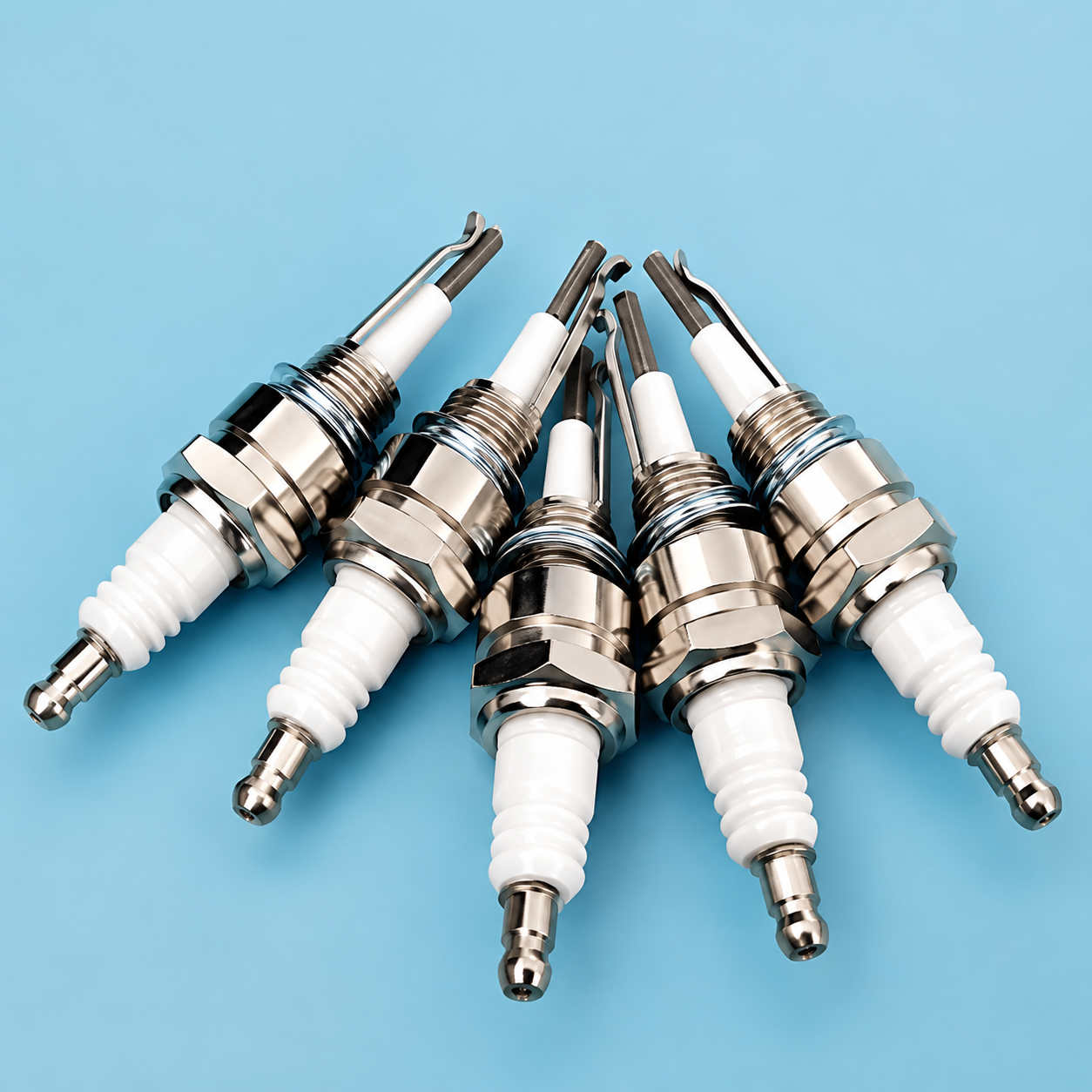
Alumina plug is a specialized ceramic component made primarily from aluminum oxide, commonly known as alumina. It is valued in industrial environments because of its high-temperature resistance, hardness, chemical stability, electrical insulation, and ability to perform under demanding operating conditions. Alumina plugs are used in applications where ordinary materials may deteriorate because of heat, corrosion, electrical exposure, or mechanical stress. Their properties make them useful in laboratories, furnaces, thermal processing equipment, electrical systems, chemical industries, and various manufacturing environments. Understanding the characteristics, applications, benefits, and selection factors of alumina plugs can help users choose a suitable ceramic component for their specific requirements.
What Is an Alumina Plug?
An alumina plug is a shaped ceramic component manufactured from alumina powder that is processed and fired at high temperatures to create a dense and durable material. Depending on the intended application, an alumina plug can be produced in different shapes, dimensions, densities, and purity levels. The material is known for maintaining its performance in environments where high temperatures and aggressive chemicals are present. Because alumina is electrically insulating and mechanically strong, an alumina plug can serve several purposes, including sealing, insulating, supporting, protecting, and separating components within industrial and laboratory equipment.
What Is Alumina Made From?
Alumina is primarily aluminum oxide, a ceramic compound composed of aluminum and oxygen. It is commonly produced from aluminum-containing raw materials and then processed into a fine powder suitable for ceramic manufacturing. The powder can be shaped through different forming methods before being fired at elevated temperatures. The resulting ceramic has a combination of hardness, thermal stability, electrical insulation, and chemical resistance. The purity of the alumina can vary, and this difference can influence its performance, strength, thermal behavior, and suitability for specialized applications.
Key Properties of Alumina Plugs
Alumina plugs are recognized for a combination of properties that make them suitable for demanding industrial applications. They generally provide excellent resistance to high temperatures, strong electrical insulation, good chemical stability, high hardness, low wear, and dimensional stability. These characteristics allow alumina components to operate in environments where metals, plastics, or other materials may experience oxidation, melting, chemical degradation, or electrical conduction. The exact performance of an alumina plug depends on its alumina content, manufacturing process, geometry, density, and operating environment.
High Temperature Resistance
One of the most important characteristics of an alumina plug is its ability to withstand elevated temperatures. Ceramic materials based on alumina are widely used in thermal processing environments because they can maintain their structural integrity under conditions that would damage many conventional materials. Alumina plugs can therefore be useful in furnaces, heating systems, laboratory equipment, and high-temperature processing applications. Their thermal performance makes them particularly valuable when a component must remain stable while exposed to intense heat for extended periods.
Chemical Resistance
Alumina is generally resistant to many chemicals and can perform effectively in demanding environments where chemical exposure is a concern. This property makes alumina plugs useful in laboratory equipment, chemical processing systems, and industrial applications involving potentially aggressive substances. Chemical resistance can help extend component service life and reduce degradation. However, compatibility depends on the specific chemical, concentration, temperature, exposure time, and operating conditions, so material selection should always consider the complete application environment.
Electrical Insulation
Alumina is an excellent electrical insulator, which makes alumina plugs useful in electrical and electronic applications. Unlike conductive metals, alumina can help prevent unwanted electrical current from passing through a component or between surrounding parts. This makes it suitable for insulating high-temperature electrical assemblies, protecting electrical connections, and supporting components in environments where electrical isolation is required. Its ability to combine electrical insulation with thermal stability is one of the reasons alumina ceramics are widely used in demanding electrical applications.
Mechanical Strength and Hardness
Alumina ceramics are known for their high hardness and strong resistance to wear. An alumina plug can therefore provide good mechanical performance when used in applications involving contact, friction, or repeated handling. Its hardness can help reduce surface damage and maintain dimensional stability over time. Although ceramic materials can be brittle under certain mechanical conditions, properly designed alumina components can perform reliably when loads, installation methods, and operating conditions are appropriate.
Thermal Stability of Alumina Plugs
Thermal stability refers to the ability of a material to maintain its properties when exposed to changing temperatures. Alumina performs well in many high-temperature environments and can maintain its structure over a broad operating range. This makes alumina plugs useful in thermal processing and laboratory equipment where temperature conditions can change significantly. Proper component design remains important because sudden temperature changes can create thermal stresses in ceramic materials.
Common Uses of Alumina Plugs
Alumina plugs have applications across several industries because their combination of thermal, electrical, chemical, and mechanical properties allows them to perform multiple functions. They may be used as insulating components, protective inserts, sealing elements, furnace components, laboratory accessories, and supports for high-temperature assemblies. Their exact use depends on the shape and specifications of the plug. In specialized systems, alumina plugs can also be designed to fit particular openings, assemblies, or equipment configurations.
Alumina Plugs in Furnaces
Furnaces and thermal processing equipment often require materials that can withstand high temperatures without significant deformation or deterioration. Alumina plugs can be used in furnace assemblies as protective or insulating components. They may help close openings, support components, protect sensitive areas, or provide thermal insulation depending on their design. Their resistance to high temperatures makes them suitable for laboratory furnaces, industrial heating systems, ceramic processing equipment, and other thermal applications.
Alumina Plugs in Laboratory Equipment
Laboratories often use ceramic components when experiments involve high temperatures, corrosive substances, or electrical insulation requirements. Alumina plugs can be incorporated into laboratory equipment because they provide thermal stability and chemical resistance. They can be useful in experimental setups, heating systems, ceramic tubes, high-temperature assemblies, and specialized laboratory apparatus. Their durability can also make them suitable for repeated use when they are selected and handled correctly.
Alumina Plugs in Electrical Applications
Electrical systems operating at high temperatures may require insulating materials that remain stable under demanding conditions. Alumina plugs can provide electrical isolation while also offering good thermal resistance. This combination makes them suitable for certain electrical components, high-temperature insulation systems, sensor assemblies, and other applications where conventional insulating materials may not perform adequately. The electrical properties of the ceramic depend on its composition, purity, microstructure, and operating conditions.
Alumina Plugs in Chemical Processing
Chemical processing equipment can expose components to heat, corrosive substances, pressure, and continuous operation. Alumina plugs can be useful in selected chemical environments because of their resistance to many chemicals and their ability to maintain stability at elevated temperatures. They can be used as protective or insulating components within specialized equipment. Before selecting an alumina plug for chemical service, compatibility with the exact chemical environment should be carefully evaluated.
Different Purity Levels of Alumina
Alumina plugs can be manufactured using different levels of alumina purity, and the selected grade can influence the component's performance. Higher-purity alumina is often selected for demanding applications requiring strong electrical insulation, high-temperature stability, or reduced contamination. Lower-purity grades may be suitable for applications where extreme performance is not necessary and cost considerations are more important. Selecting the correct purity level depends on temperature, chemical exposure, electrical requirements, mechanical conditions, and the desired service life.
Alumina Plug Manufacturing Process
The manufacturing process generally begins with alumina powder that is prepared and mixed with suitable additives or binders to achieve the desired forming characteristics. The material is shaped using an appropriate ceramic forming method, after which the shaped component is dried and fired at elevated temperatures. During firing, the material becomes denser and develops the desired mechanical and thermal properties. Additional finishing processes may be used when precise dimensions, smooth surfaces, or specialized geometries are required.
Benefits of Using Alumina Plugs
The main benefits of alumina plugs include high-temperature performance, electrical insulation, chemical resistance, hardness, wear resistance, and long-term dimensional stability. These characteristics allow alumina plugs to replace less durable materials in many demanding environments. Their ability to perform under heat and chemical exposure can reduce the frequency of component replacement when the correct grade and design are selected. They are particularly valuable when reliability and material stability are more important than flexibility or impact resistance.
Alumina Plug Versus Metal Components
Alumina plugs and metal components have different strengths and should be selected according to the application. Metals generally provide greater ductility and impact resistance, while alumina offers superior electrical insulation and excellent performance in many high-temperature environments. Alumina also resists oxidation and wear effectively in suitable conditions. When electrical isolation, high-temperature stability, or chemical resistance is required, an alumina plug may provide advantages over a conventional metal component.
Alumina Plug Versus Plastic Components
Plastic components can be lightweight, flexible, and economical, but their temperature limits are generally lower than those of alumina ceramics. Alumina plugs are more suitable for applications involving elevated temperatures, electrical insulation, or demanding chemical conditions. Plastic may be preferable when flexibility, impact resistance, or low cost is the main priority. The choice between alumina and plastic should therefore be based on operating temperature, chemical exposure, mechanical requirements, and the expected service environment.
How to Choose the Right Alumina Plug
Choosing an appropriate alumina plug requires consideration of several factors, including alumina purity, dimensions, shape, operating temperature, chemical exposure, electrical requirements, mechanical loading, and installation method. The plug should have dimensions that match the equipment and should be manufactured to suitable tolerances when precise fitting is required. Users should also consider whether the component will experience rapid temperature changes, continuous heating, vibration, pressure, or repeated handling. A careful evaluation of these factors can help ensure reliable performance.
Importance of Alumina Plug Dimensions
The dimensions of an alumina plug are important because the component may need to fit precisely into a particular opening or assembly. Incorrect dimensions can result in poor sealing, instability, unwanted movement, or installation difficulties. Diameter, length, thickness, shape, tolerance, and surface finish may all be relevant depending on the application. For specialized equipment, custom-designed alumina plugs may be preferable when standard sizes do not provide the required fit or performance.
Maintenance and Handling of Alumina Plugs
Although alumina plugs are durable, they should be handled carefully because ceramic materials can be brittle and may crack if subjected to impact or improper installation. Users should avoid dropping ceramic components and should inspect them for visible cracks or damage before use. Cleaning requirements depend on the application, but compatible cleaning methods should be used to avoid contamination or surface damage. Proper storage and handling can help preserve the condition of alumina plugs between uses.
Common Problems With Alumina Plugs
Potential problems can occur when an alumina plug is used outside its intended operating conditions. Thermal shock, mechanical impact, incorrect sizing, excessive stress, or chemical incompatibility can lead to cracking or premature failure. Installation problems may also occur when the component is forced into an opening that does not provide adequate clearance. Selecting the correct material grade and design and following appropriate handling practices can reduce these risks.
Industries That Use Alumina Plugs
Alumina plugs can be found in industries that require advanced ceramic materials for thermal, electrical, chemical, or mechanical applications. These may include laboratory research, electronics, electrical manufacturing, metallurgy, ceramics, chemical processing, thermal treatment, industrial manufacturing, and scientific equipment production. Their versatility comes from the combination of properties offered by alumina, allowing the same general ceramic material to be adapted for different shapes and specialized applications.
Why Alumina Is a Popular Technical Ceramic
Alumina is one of the most widely used technical ceramics because it provides a strong balance of performance, availability, and versatility. It combines high hardness, good thermal stability, electrical insulation, chemical resistance, and wear resistance. These characteristics allow manufacturers to produce components for demanding applications without relying entirely on metals or polymers. Alumina can also be manufactured into complex shapes and finished to precise dimensions, making it useful for both standard and specialized components.
Frequently Asked Questions About Alumina Plug
What is an alumina plug used for?
An alumina plug can be used for sealing, insulating, protecting, supporting, or separating components in high-temperature, electrical, chemical, laboratory, and industrial applications. Its exact function depends on its shape, size, purity, and operating environment.
Is an alumina plug suitable for high temperatures?
Yes, alumina is widely recognized for its high-temperature performance. Alumina plugs can be used in many furnace, heating, laboratory, and thermal processing applications where conventional materials may not provide sufficient temperature resistance.
Is alumina electrically conductive?
Alumina is generally an electrical insulator, which makes alumina plugs useful when electrical isolation is required. Its insulating performance makes it suitable for various electrical and electronic applications, including some high-temperature environments.
Is alumina resistant to chemicals?
Alumina has good resistance to many chemicals, but its compatibility depends on the specific chemical, concentration, temperature, and exposure conditions. The exact application should be evaluated before selecting an alumina plug for chemical service.
Can alumina plugs break?
Yes, alumina is a hard ceramic material but can be brittle under impact or excessive mechanical stress. Proper handling, installation, component design, and operating conditions are important for preventing cracking or breakage.
Can alumina plugs be customized?
Yes, alumina plugs can be manufactured in different shapes, sizes, purity levels, and surface finishes. Custom designs may be useful when a standard component does not provide the required dimensions or performance.
Why is alumina used for insulation?
Alumina provides excellent electrical insulation while also offering strong thermal stability. This combination allows it to perform in applications where an insulating material must withstand both electrical and elevated-temperature conditions.
How should alumina plugs be handled?
Alumina plugs should be handled carefully to prevent impact damage. They should be stored safely, protected from unnecessary mechanical shock, and inspected for cracks or visible defects before installation or use.
Conclusion
An alumina plug is a versatile technical ceramic component that can provide excellent performance in demanding industrial, laboratory, electrical, and thermal environments. Its combination of high-temperature resistance, electrical insulation, chemical stability, hardness, and wear resistance makes it suitable for many applications where conventional materials may not perform effectively. From furnace systems and laboratory equipment to electrical assemblies and chemical processing environments, alumina plugs can offer dependable material performance when properly selected.
Choosing the right alumina plug requires careful attention to material purity, dimensions, operating temperature, chemical exposure, mechanical conditions, and installation requirements. Proper handling is equally important because even though alumina is highly durable and hard, it can be susceptible to cracking from severe impact or thermal shock. By selecting the appropriate grade and design for the intended application, users can take advantage of alumina's strong technical properties and achieve reliable long-term performance.

 English
 Arabic
 French
 Spanish
 Portuguese
 Deutsch
 Turkish
 Italiano
 Russian
 Romaian
 Portuguese (Brazil)
 Greek
Greek
