


Home Builders in Lee County: Understanding the Residential Construction Process
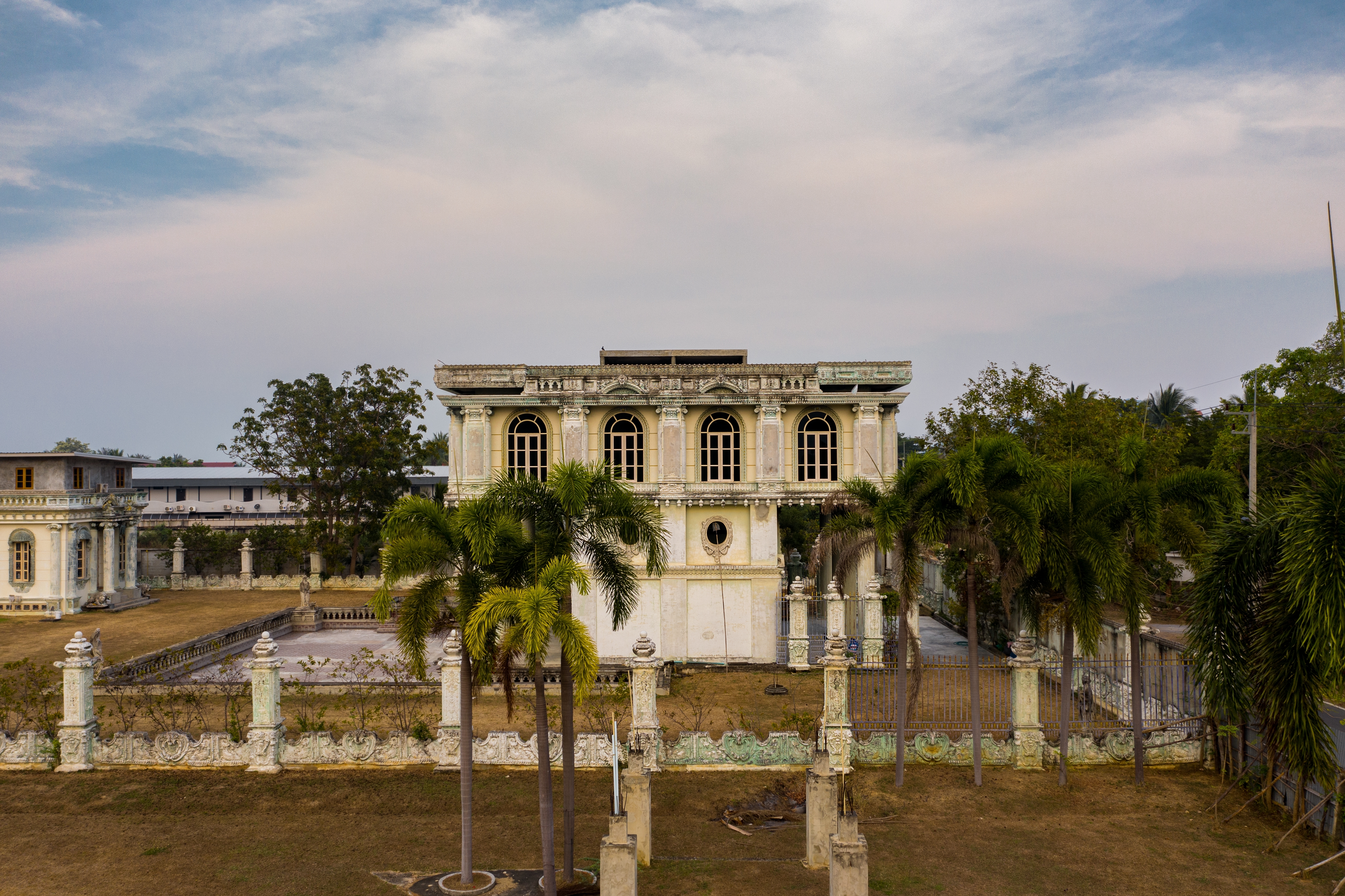
Home builders in Lee County are involved in constructing, renovating, and expanding residential properties across Lee County, Florida. The region presents specific considerations for residential construction because of its coastal environment, tropical climate, hurricane exposure, flood risks, and local building regulations. Understanding the responsibilities of home builders and the different stages of construction can help property owners develop realistic expectations for residential building projects.
What Do Home Builders in Lee County Do?
Home builders in Lee County may oversee various stages of a residential construction project. Their responsibilities can include coordinating architectural plans, site preparation, foundation work, framing, roofing, electrical and plumbing installations, insulation, interior finishes, and inspections.
Residential construction usually involves several specialized trades. Builders may coordinate subcontractors and construction schedules so that different activities are completed in the appropriate order. The specific responsibilities depend on the type and size of the project.
New construction, renovations, additions, and reconstruction projects can each require different approaches.
New Home Construction
New home construction generally begins with planning and evaluating the property. Site conditions, zoning requirements, building codes, architectural plans, engineering requirements, and permitting needs may need to be addressed before physical construction begins.
Site preparation can involve clearing, grading, drainage work, utility coordination, and foundation preparation. Once the site is ready, construction can progress through structural framing, roofing, exterior finishes, mechanical systems, and interior work.
The duration of construction depends on factors such as project size, design complexity, permitting, weather, material availability, and inspection schedules.
Local Permits and Building Codes
Home construction in Lee County must comply with applicable Florida building codes and local requirements. Depending on the project, permits may be required for structural work, new construction, electrical installations, plumbing, roofing, additions, and other regulated activities.
Inspections may be conducted at different points during construction. These inspections help verify that specific portions of the work meet applicable standards before construction progresses to subsequent stages.
Because regulations can change, builders and property owners should rely on current local requirements when planning a project.
Hurricane-Resistant Construction
Hurricane preparedness is an important consideration for homes in Lee County. The area can experience strong winds, heavy rainfall, and tropical storms, making structural resilience a significant aspect of residential construction.
Building requirements may address roof systems, structural connections, windows, exterior doors, wall construction, and other components. Wind-resistant design and construction methods can help homes meet applicable standards for severe weather conditions.
The exact requirements depend on factors such as the property's location, construction type, design, and applicable wind-load provisions.
Flood Zones and Site Conditions
Flood risk can also influence residential construction in parts of Lee County. Properties located near coastal areas, waterways, or low-lying regions may have specific flood-zone designations.
Flood-zone requirements can affect building elevation, foundation design, drainage, utilities, and other construction elements. Property owners may need to review applicable flood maps and local requirements before construction begins.
A site assessment can help identify physical characteristics that could affect the building process, including soil conditions, drainage patterns, existing structures, vegetation, and access to utilities.
Materials Used in Lee County Homes
Construction materials are selected based on factors such as structural requirements, design, maintenance, climate, and applicable building standards.
Common residential materials include concrete, masonry, wood, steel, roofing materials, insulation, windows, and exterior finishes. In coastal environments, material selection may also consider exposure to moisture, salt air, heat, and strong winds.
The appropriate materials depend on the individual project's plans and specifications rather than a single approach applying to every property.
Energy Efficiency and Florida's Climate
Lee County experiences warm temperatures and high humidity for much of the year. These conditions can influence home design and construction.
Insulation, windows, roofing, ventilation, and air-conditioning systems can affect indoor comfort and energy consumption. A well-designed building envelope can help limit unwanted heat transfer and manage moisture.
Energy-efficient construction may also involve appropriate equipment selection, air sealing, and building orientation. The specific strategies depend on the home's design and applicable energy codes.
Remodeling and Home Additions
Home builders in Lee County may also work on existing properties. Remodeling can include kitchens, bathrooms, bedrooms, living areas, roofing, exterior improvements, and structural modifications.
Home additions can provide additional space while retaining an existing structure. Common additions include bedrooms, bathrooms, garages, enclosed patios, and expanded living areas.
Renovation and addition projects can require additional planning because new work must integrate with existing structural systems, electrical wiring, plumbing, roofing, and other components.
Choosing a Home Builder
Property owners researching home builders in Lee County may evaluate practical factors before entering a construction agreement. Licensing, insurance, experience with comparable projects, familiarity with local permits, references, project schedules, and written contracts can all be relevant.
A detailed construction contract can define the scope of work, materials, payment schedule, estimated completion period, responsibilities, and procedures for handling changes.
Clear documentation can help establish expectations before construction begins and reduce potential misunderstandings during the project.
Construction Timelines
Residential construction timelines vary according to the complexity and scale of each project. A smaller renovation may take considerably less time than a new custom home or major addition.
Permitting, inspections, engineering, weather conditions, labor availability, material delivery, and design changes can affect the schedule. Tropical storms and hurricanes can also interrupt outdoor construction and cause delays.
Builders and property owners may therefore need to account for local weather patterns when establishing realistic project schedules.
Conclusion
Home builders in Lee County contribute to the construction, renovation, and expansion of residential properties throughout the region. Their work involves coordinating multiple construction stages while addressing local building codes, permits, hurricane-related requirements, flood considerations, climate conditions, materials, and project scheduling.
Understanding these factors gives property owners a clearer view of residential construction in Lee County. Since every property has different site conditions and regulatory requirements, careful planning, accurate documentation, and compliance with current building standards remain important throughout the construction process.

 Arabic
 French
 Spanish
 Portuguese
 Deutsch
 Turkish
 Dutch
Dutch
 Italiano
 Russian
 Romaian
 Portuguese (Brazil)
 Greek
Greek
