


Digital Printing on Fabric: Process, Benefits and Uses
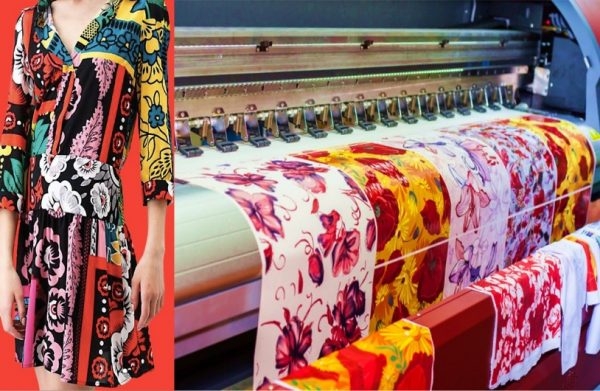
Digital printing on fabric is a modern textile printing process that transfers artwork from a digital file directly onto fabric using specialized equipment. The technology can reproduce detailed patterns, photographs, illustrations, logos, gradients, and customized graphics without requiring the extensive physical setup associated with many conventional printing methods.
The demand for Digital printing on fabric has increased because businesses and designers often need greater flexibility. A fashion company may want to test a new pattern before mass production, while a small brand may need only a limited quantity of customized material. Digital technology allows designs to be edited, sampled, and reproduced more easily, making it useful for fashion, interiors, sportswear, and promotional textiles.
What Is Digital Printing on Fabric?
Digital textile printing uses a computer-based design file to control where color is placed on the textile. In many systems, industrial inkjet print heads deposit extremely small droplets of ink or dye onto the fabric. These droplets combine to create the complete image.
Unlike traditional screen printing, digital printing does not generally require a separate physical screen for every color in the design. A complex image containing numerous shades can be processed from the digital artwork, which simplifies design changes and makes smaller production runs more practical.
The final result, however, depends on more than the printer. Fabric composition, surface texture, ink chemistry, artwork quality, pre-treatment, color management, and finishing all influence print quality and durability.
How Digital Fabric Printing Works
Preparing the Artwork
The first stage is creating or preparing the digital design. The artwork may include a repeating pattern, photograph, illustration, logo, or custom graphic.
The file should be produced at an appropriate size and resolution. If a low-resolution image is enlarged too much, details may become blurred or pixelated. Fine lines, small lettering, and pattern repeats should also be checked before printing.
Color preparation is another important part of the process. Computer screens create colors with emitted light, while printed fabric reflects light. As a result, a color that looks correct on a monitor may appear different on the finished textile. A physical sample is often the best way to evaluate the final color.
Selecting the Right Fabric
The type of fabric affects both the printing method and the choice of ink. Cotton, linen, silk, wool, polyester, nylon, and blended textiles have different properties and require compatible printing systems.
For example, polyester is commonly used with disperse dye or sublimation processes, while cotton is often printed with reactive dyes or pigment-based systems. Silk and wool require different dye chemistry.
Fabric texture also affects the appearance of the design. A smooth, tightly woven textile may display fine details more clearly than a heavily textured or loosely woven material.
Pre-Treatment and Printing
Some fabrics require pre-treatment before printing. This preparation can improve ink absorption, control color spreading, and support stronger color development.
After the material is prepared, it passes through the printer. The machine follows the digital file and applies color to precise locations. This makes it possible to reproduce detailed illustrations, photographic images, and complex multicolor designs.
Regular equipment maintenance is important for consistent results. Print heads, ink delivery systems, fabric alignment, and calibration all require attention.
Fixing and Finishing
After printing, the color may need to be fixed using heat, steaming, curing, washing, or a combination of these processes. The correct method depends on the fabric and ink.
This stage has a direct effect on color stability and durability. Proper fixation helps the printed textile maintain its appearance during washing and regular use.
Common Methods and Ink Types
Direct-to-Fabric Printing
In direct-to-fabric printing, the ink or dye is applied directly to the textile. Depending on the material and ink system, the fabric may require pre-treatment before printing and fixation afterward.
This method can be used for a wide range of applications and is suitable for detailed designs.
Dye-Sublimation Printing
Dye-sublimation is primarily used with polyester or specially coated materials. Heat transfers and fixes the dye into compatible polyester fibers.
The method is commonly used for sportswear, flags, soft signage, and other products that benefit from detailed graphics and strong color reproduction.
Reactive Inks
Reactive inks are often used on cellulosic fibers such as cotton and linen. With proper processing, the dye reacts with compatible fibers and can provide strong color and good wash performance.
Acid Inks
Acid inks are generally used for silk, wool, and certain nylon fabrics. They can produce vivid colors when combined with suitable preparation and fixation procedures.
Pigment Inks
Pigment inks can be used on a broad range of fabrics. They generally use a binder to hold the color on the textile surface. This versatility can simplify production, although the final softness and durability depend on the ink formulation and curing process.
Practical Benefits and Key Insights
Greater Design Freedom
Digital printing allows designers to work with detailed artwork without reducing every design to a small number of colors. Photographs, gradients, fine lines, and intricate patterns can be reproduced when the artwork and printing conditions are properly prepared.
A designer, for example, can test several color versions of the same pattern before selecting the final option.
Easier Customization
Digital printing on fabric is highly suitable for customized products. Names, numbers, logos, and individual graphics can be changed within the digital design file.
This is useful for personalized apparel, branded textiles, team uniforms, custom cushions, and limited-edition products.
Practical for Short Production Runs
Digital printing reduces much of the physical setup needed for smaller quantities. A business can produce samples or limited runs without creating new screens for every design variation.
This is particularly useful during product development, when a company may want to test customer interest before investing in larger production.
Faster Design Changes
Changes to color, scale, layout, or pattern placement can be made directly in the digital file. This allows designers to revise artwork and produce another sample without rebuilding physical printing components.
The result can be a shorter product development cycle and more efficient design testing.
Support for Demand-Based Production
Digital workflows can support smaller batches and customized orders. Businesses can produce closer to actual demand, which may help reduce the risk of carrying large amounts of unwanted inventory.
Applications of Digital Fabric Printing
Fashion and Apparel
Digital printing is used for dresses, shirts, scarves, activewear, swimwear, and other garments. Designers can create distinctive surface patterns and test them on the intended fabric before approving larger production.
Home and Interior Textiles
Curtains, cushions, bedding, table linens, and decorative fabrics can be produced with customized patterns and colors. This gives interior designers greater control when matching a textile to a specific project.
Sportswear and Team Uniforms
Polyester-based sportswear is widely used with digital printing methods. Names, numbers, team graphics, and sponsor logos can be incorporated into individual garments.
Soft Signage and Displays
Fabric banners, exhibition graphics, retail displays, and event backdrops are also common applications. Textile displays can be lightweight, foldable, and convenient to transport.
Common Challenges and Considerations
Matching Ink to Fabric
The ink system must be compatible with the textile fiber. An unsuitable combination can result in weak colors, poor durability, or an undesirable change in fabric feel.
Confirming the actual fiber composition before production helps prevent quality problems.
Managing Color Accuracy
The same digital color can appear different on cotton, polyester, silk, or blended materials. Fabric texture, absorbency, and lighting conditions can also affect how a color is perceived.
A printed strike-off or test sample is one of the most reliable ways to evaluate the final result before approving full production.
Comparing Production Costs
Digital printing is often a practical choice for samples, short runs, and customized products. For extremely large quantities of a single repeated design, conventional textile printing may sometimes offer a lower cost per unit.
The best method depends on order volume, design complexity, turnaround time, and quality requirements.
Handling Post-Processing
Some printing methods require additional steaming, washing, or curing. These stages add time and equipment requirements but are often essential for proper color fixation and long-term performance.
Frequently Asked Questions
1. What fabrics can be digitally printed?
Many fabrics can be digitally printed, including cotton, linen, silk, wool, polyester, nylon, and certain blends. The suitable process depends on the fiber composition.
2. Is digital printing on fabric suitable for small orders?
Yes. It is particularly useful for samples, short production runs, and customized products because designs can be changed digitally without extensive physical setup.
3. Can photographs be printed on fabric?
Yes. Digital textile printing can reproduce photographs, illustrations, detailed patterns, and gradients. The source image should have sufficient resolution for the intended print size.
4. How durable is digitally printed fabric?
Durability depends on the fabric, ink, fixation process, finishing method, and care conditions. When compatible materials and proper processing are used, digitally printed textiles can provide good color stability and wash performance.
5. Is digital textile printing environmentally friendly?
Its environmental impact depends on the complete production process. Digital printing can reduce some setup materials and support smaller or demand-based production. However, ink chemistry, energy use, water consumption, and finishing requirements must also be considered.
Conclusion
Digital printing on fabric provides a flexible link between digital design and textile manufacturing. It supports detailed artwork, customization, rapid design changes, and smaller production runs across many industries.
The quality of the finished textile depends on the complete workflow rather than the printer alone. Proper artwork preparation, suitable fabric selection, compatible inks, careful color testing, and correct finishing are all important.
From fashion and home décor to sportswear and promotional displays, digital textile printing offers practical advantages for modern businesses. When the printing method is carefully matched to the fabric and intended application, it can produce detailed, customized, and durable textiles while giving designers greater control over the creative process.

 English
 Arabic
 French
 Spanish
 Portuguese
 Deutsch
 Turkish
 Dutch
Dutch
 Italiano
 Romaian
 Portuguese (Brazil)
 Greek
Greek
